

Fast Facts
- NCAR’s Hurricane Risk Calculator aims to forecast structural damage for storm preparations.
- The app tailors risk outputs, aiding evacuation decisions by specific addresses.
- NSF supports hurricane research through innovative tools and experimental facilities.
- Understanding community responses enhances effective communication during hurricane preparedness efforts.
Innovative Tools for Hurricane Preparedness
The National Science Foundation (NSF) plays a vital role in hurricane preparedness. Through its support, researchers develop technology that helps communities brace for storms. One groundbreaking project is the Hurricane Risk Calculator web app. Initiated by the National Center for Atmospheric Research (NCAR) in 2021, this app offers detailed forecasts of potential structural damage from hurricanes. Users can input specific details about their homes—such as age and roofing material—to receive tailored risk assessments. NCAR scientist Jonathan Vigh imagines a future where emergency officials can evacuate residents based on precise addresses rather than broad areas. This approach enhances accuracy and can save lives.
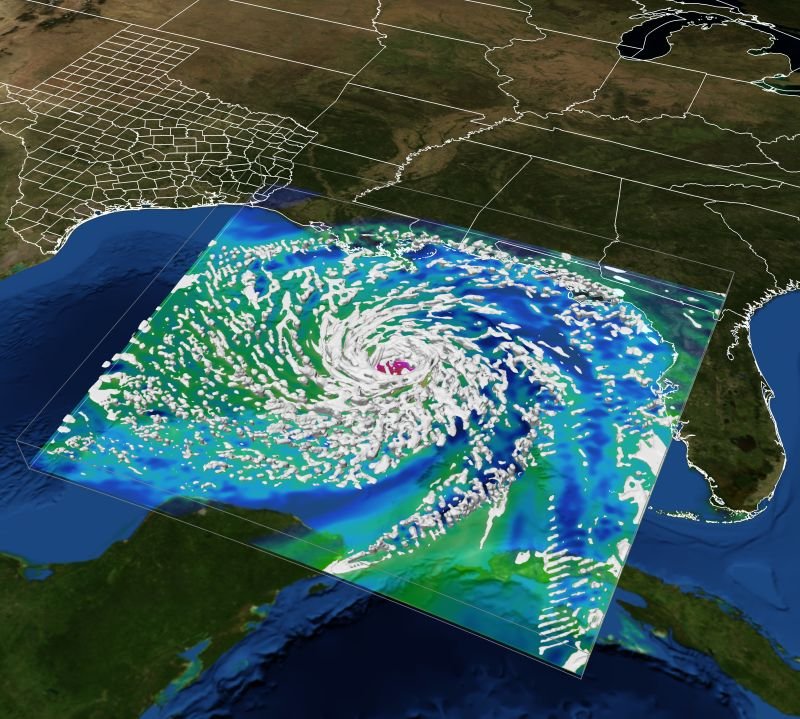
NSF’s long-standing dedication to hurricane research underpins this technological advancement. The Natural Hazards Engineering Research Infrastructure (NHERI) provides essential experimental facilities. At Florida International University, researchers leverage the NHERI Wall of Wind to simulate catastrophic storms. These simulations support research on building design codes and help predict real-world structural damage. As hurricanes often shift unpredictably, tools like the Hybrid WRF Cyclone Model allow scientists to test various storm scenarios. This capability enables more effective planning and response.
Understanding Community Dynamics
While predicting storm impacts is crucial, understanding community behavior during hurricanes is equally important. The Weather Risks and Decisions in Societies (WRaDS) program examines how information affects decision-making. Different cultural backgrounds and past experiences shape individuals’ responses to evacuation orders. Researcher Rebecca Morrs emphasizes that effective communication is key. Simply providing weather information is not enough; scientists and officials must ensure their messaging resonates with diverse populations.
NSF also collaborates with the Department of Energy and Department of Homeland Security through the Civic Innovation Challenge. Projects focus on improving community resilience in the face of disasters, including food distribution and support for low-income households. Additionally, the Hurricane Ecosystem Response Synthesis Network connects various disciplines to understand how ecosystems react to storms. This holistic approach is essential for developing actionable strategies during and after hurricanes.
As climate change intensifies storm activity, preparedness becomes increasingly critical. The work of NSF and its partners proves invaluable in equipping communities with the knowledge and tools needed to face these challenges. Resources for enhancing personal and community readiness are available through NOAA and NSF. By focusing on both technological innovation and community dynamics, researchers and officials can foster stronger, more resilient societies in the face of natural disasters.
Discover More Technology Insights
Explore the future of technology with our detailed insights on Artificial Intelligence.
Access comprehensive resources on technology by visiting Wikipedia.
TechV1
