

Quick Takeaways
- GLP-1 medications, like Ozempic, may lower breast cancer risk significantly.
- Women using these drugs showed about 30% reduced likelihood of breast cancer.
- Research suggests exploring GLP-1s for potential cancer prevention strategies.
- Observational studies indicate weight loss drugs could impact cancer development pathways.
The Promise of GLP-1 Medications
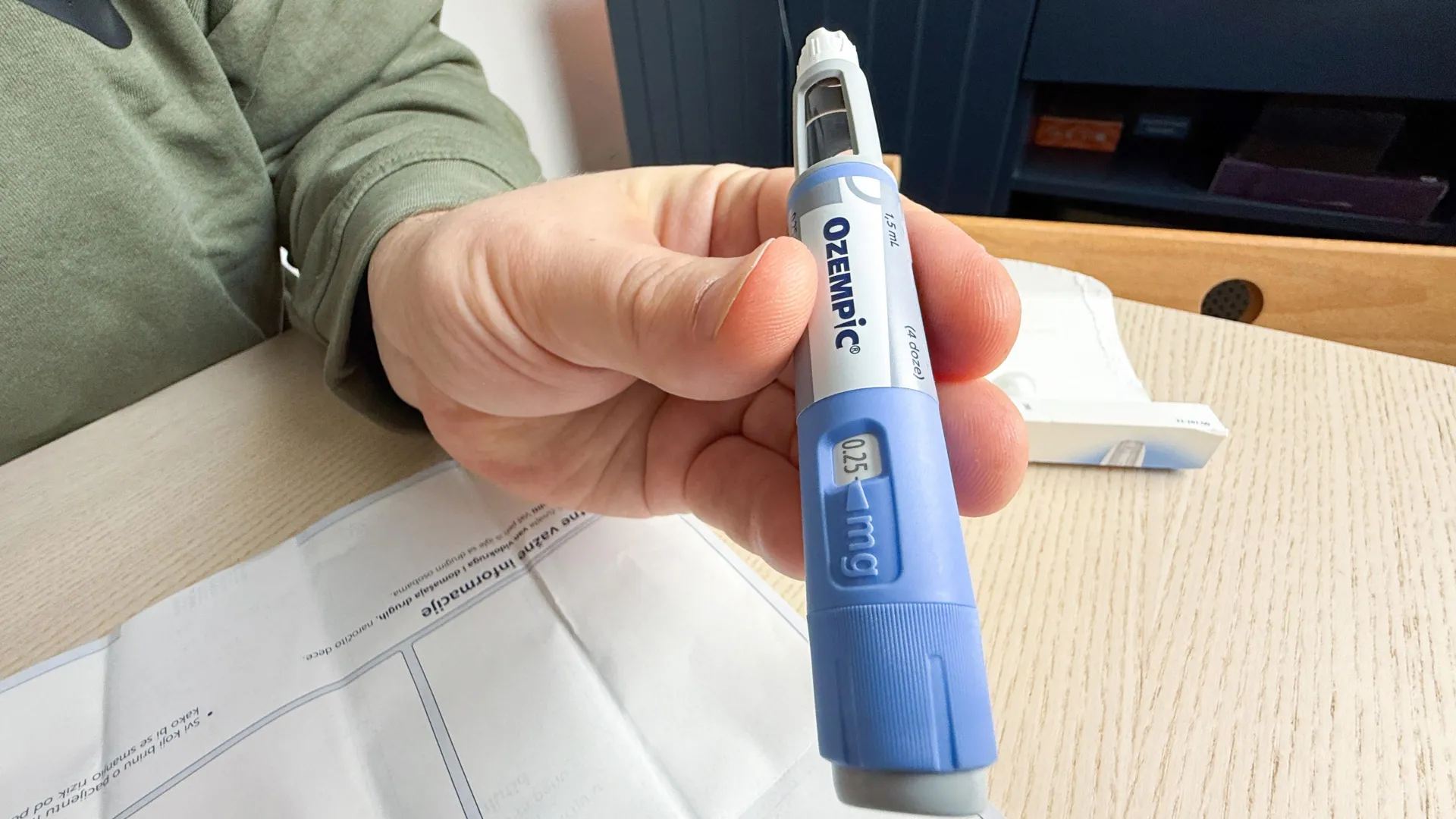
Popular medications like Ozempic, Wegovy, Mounjaro, and Zepbound may offer unexpected benefits beyond weight loss. Recent research involving over 110,000 women reveals that those taking GLP-1 drugs experience roughly a 30% lower likelihood of developing breast cancer. This finding adds a promising layer to the ongoing discussion regarding the impact of weight on cancer risk.
These drugs mimic glucagon-like peptide-1, a natural hormone that regulates appetite and blood sugar levels. Originally designed for type 2 diabetes, they have gained traction as effective weight-loss tools. Observational studies have shown potential links between GLP-1 medications and reduced cancer incidence. While these findings raise hope, they do not definitively prove cause and effect. Large clinical trials must follow to confirm whether these drugs can prevent breast cancer.
Researchers led by Elizabeth McDonald, MD, PhD, plan to launch a multisite clinical trial focusing on women at high risk for breast cancer. They aim to examine whether GLP-1 medications can actually lower breast cancer incidence among these women. The promising data make it worth exploring the potential of these weight-loss medications as preventive tools, not just treatment options.
Implications for Breast Cancer Prevention
Weight management has long been a crucial element in reducing breast cancer risk, especially after menopause. Obesity inflates inflammation levels, a factor that contributes to breast cancer development. Since GLP-1 medications are effective for weight loss, they might help combat this risk by addressing underlying inflammation. They also seem to influence metabolic processes and gene regulation, potentially further diminishing cancer risk.
Current strategies for reducing breast cancer risk remain limited. While mammography and preventive surgeries offer some options, many eligible women hesitate to take drugs like tamoxifen due to side effects. In contrast, millions already use GLP-1 medications, creating a unique opportunity for research in cancer prevention.
Medical professionals seek better options to prevent breast cancer. As survival rates improve, exploring existing drugs for new purposes aligns well with that mission. The evidence suggests that further investigation into GLP-1 medications could open new avenues for breast cancer prevention, shifting the focus from treatment to proactive care.
Discover More Technology Insights
Explore the future of technology with our detailed insights on Artificial Intelligence.
Discover archived knowledge and digital history on the Internet Archive.
TechV1
