

Quick Takeaways
-
Funding Achievement: Hermeus has raised $350 million, achieving a $1 billion valuation, with $200 million from equity financing (led by Khosla Ventures) and $150 million in debt to maintain control.
-
Technical Pivot: The startup shifted to utilizing Pratt & Whitney’s F100 engine to expedite its hypersonic aircraft development, facilitating faster testing and aligning with U.S. defense contracts.
-
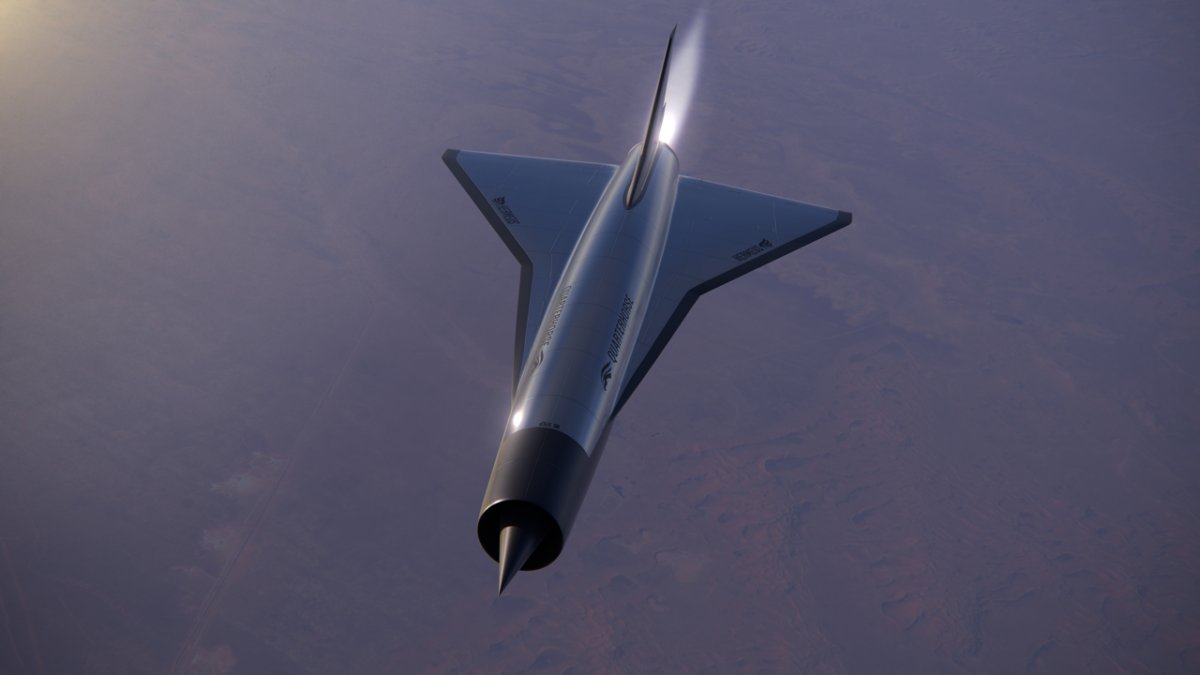
Prototyping Success: Hermeus successfully completed two test flights, including a demonstrator the size of an F-16, and aims for supersonic capabilities in its next iteration while employing rapid prototyping akin to SpaceX’s model.
-
Talent Development: The company is facing challenges in cultivating skilled talent for aircraft development, emphasizing the importance of building multiple aircraft to accelerate the learning and development process despite potential failures.
Investment and Innovation in Defense Technology
Hermeus has recently secured $350 million to advance its vision of building the “fastest unmanned aircraft.” This funding follows a noteworthy trend in the defense sector where investments have surged, with over $9 billion injected into defense technology last year alone. The latest funding round propels Hermeus’s valuation to $1 billion, highlighting both its potential and the growing appetite for defense startups.
Importantly, this capital comes from a mix of equity financing and debt. Notable investors include Khosla Ventures, RTX Ventures, and the media conglomerate Cox Enterprises. By opting for debt financing, Hermeus aims to maintain control over ownership while expanding its manufacturing capabilities. This strategy emphasizes not only the urgency of building hardware but also the responsible management of resources.
Strategic Partnerships and Growth Potential
Hermeus’s breakthrough lies in its collaboration with RTX subsidiary Pratt & Whitney. By modifying the proven F100 engine, the startup accelerates its quest to achieve hypersonic speeds while meeting immediate demands from the Department of Defense. This partnership allows Hermeus to pivot from a singular focus on a Mach 5 aircraft to a more diversified approach, which enhances its business model and technological development.
The recent successful test flights underline this momentum. As Hermeus prepares for future aircraft iterations, it adopts a rapid prototyping strategy similar to SpaceX, embracing a cycle of building, testing, and learning. However, the company faces a challenge: developing the talent roster necessary to support its ambitious endeavors.
Hermeus exemplifies how innovation in defense can progress not only through new technology but also through smart partnerships and agile practices. This approach may contribute significantly to the future of aviation, addressing both security and practical transportation needs in the years to come.
Continue Your Tech Journey
Dive deeper into the world of Cryptocurrency and its impact on global finance.
Access comprehensive resources on technology by visiting Wikipedia.
TechV1
