

Essential Insights
- Superworms can effectively clean animal corpses for museum specimens.
- Traditional cleaning methods like chemicals and boiling have significant drawbacks.
- Superworms are gentle, reusable, and stay in larval form together.
- Despite concerns, superworms offer a promising alternative for specimen cleaning.
The Role of Superworms in Specimen Cleaning
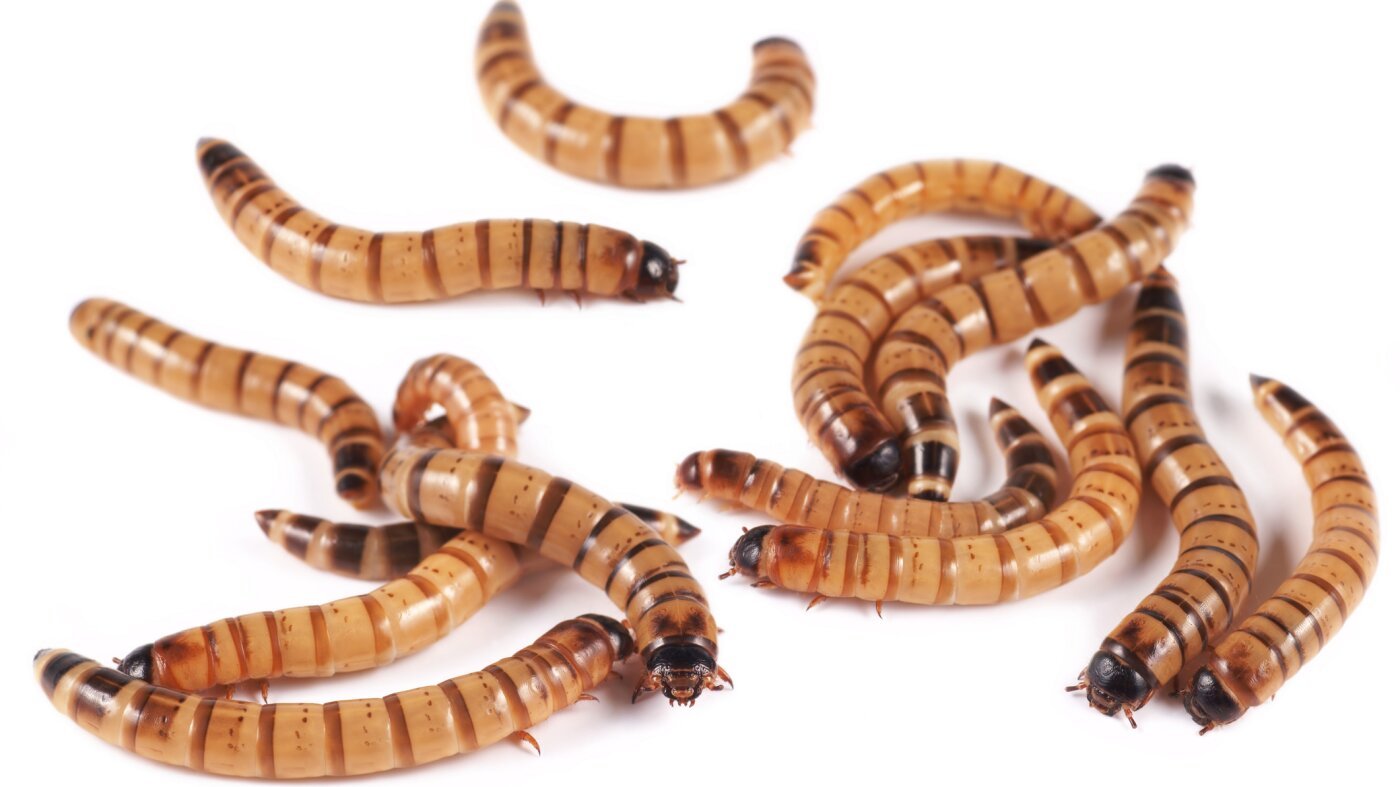
Superworms, the larvae of the Zophobas morio beetle, are commonly sold at pet stores as animal feed. Recently, scientists have uncovered an innovative use for them: cleaning animal skeletons. At a natural history museum in Mashhad, Iran, researchers faced an influx of donated specimens, including roadkill and injured animals. Space and resource limitations created a need for an effective cleaning method. Traditional techniques, including chemical treatments and boiling, present challenges. Chemicals can damage skeletons, while boiling risks harming delicate bones.
The museum team turned to superworms for a more efficient solution. These larvae have large mandibles and can consume various organic materials, including flesh, making them effective cleaners. In testing, superworms showed a remarkable ability to strip skin and flesh from various specimens without damaging fragile bones. This gentler method combines speed and efficiency, allowing researchers to preserve skeletal integrity.
Considerations and Limitations
Although the use of superworms looks promising, it is not without concerns. For instance, while they can be controlled more easily than dermestid beetles, their powerful jaws carry the risk of snapping fragile bones during cleaning. Additionally, despite being omnivorous, superworms prefer vegetarian diets. This dietary preference might make them less reliable feeders on cadavers.
These challenges raise questions about the practicality of adopting superworms as a mainstream solution. Some experts remain cautious, suggesting they may not replace traditional methods entirely. Dermestid beetles, for example, have been effective and efficient for many researchers. However, the availability and cost-effectiveness of superworms may offer a viable alternative for smaller institutions that lack sophisticated facilities. The blend of nature’s cleaning capabilities with scientific methodology highlights the innovative potential in addressing common challenges in specimen preservation.
Stay Ahead with the Latest Tech Trends
Stay informed on the revolutionary breakthroughs in Quantum Computing research.
Discover archived knowledge and digital history on the Internet Archive.
Space
