

Top Highlights
The Philadelphia museum closed after nearly 200 years of operation.
Public showed strong support, campaigning to save the institution.
Funding declines and university struggles contributed to its closure.
City officials seek answers and potential measures to preserve it.
Philadelphia’s Academy of Natural Sciences Closes After Nearly 200 Years
The Academy of Natural Sciences in Philadelphia has announced it will close its doors after nearly two centuries of operation. The historic museum, founded in 1812 and opened to the public in 1828, is known for its extensive collections and groundbreaking displays. Its closure marks a significant loss to both the city and the scientific community worldwide.
A Cultural and Educational Landmark Ceases Operations
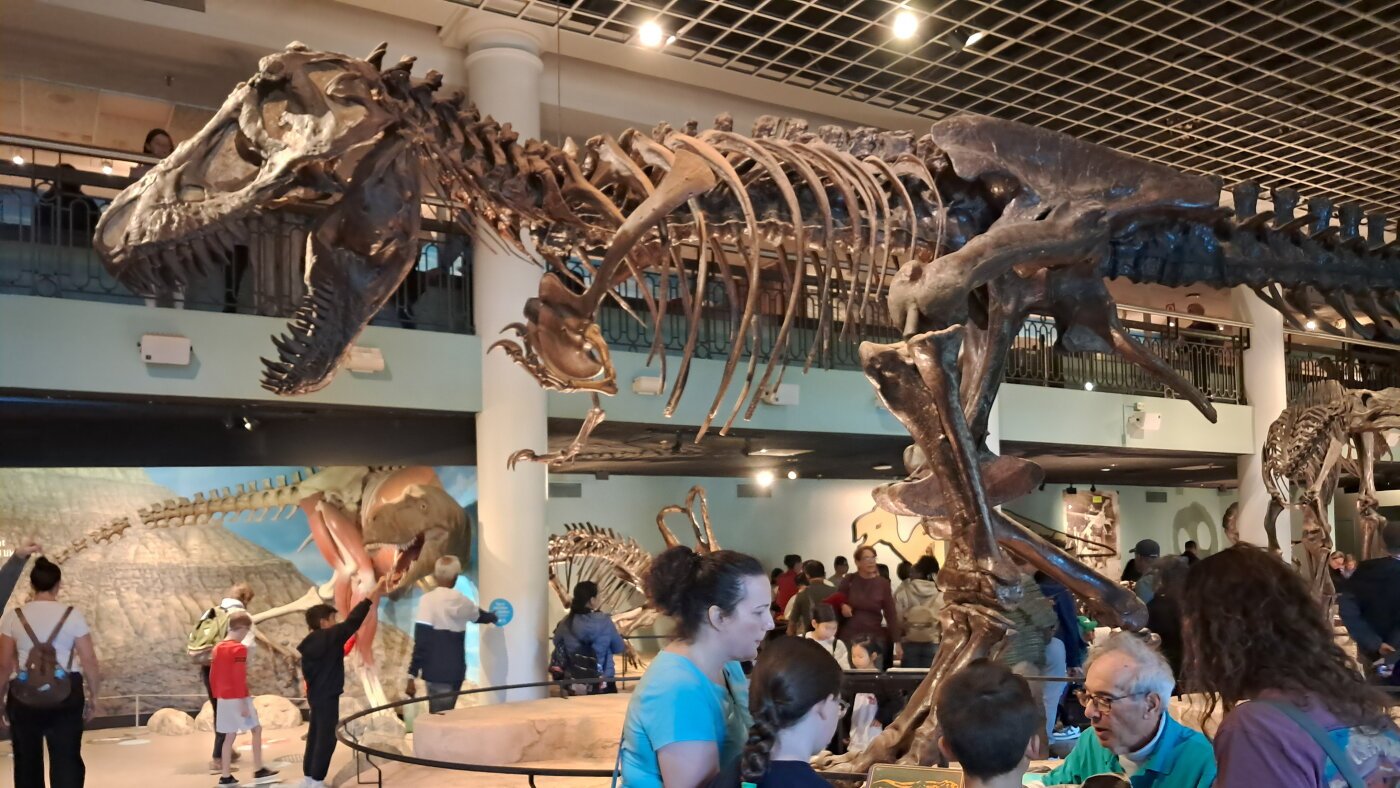
For generations, the Academy has been more than a museum; it has served as a vital educational resource. Its dinosaur skeleton exhibits, first displayed in 1868, have fascinated children and adults alike. Visitors could see mammal dioramas, live animals, and rotating exhibits. The museum’s collection of scientific specimens is among the most important globally, including Thomas Jefferson’s fossils and Lewis and Clark’s plant samples.
The closure has sparked an emotional response from families and educators. Many recall their childhood visits, noting how the Academy inspired a love of natural history. On the last days, crowds gathered outside for farewell visits, protests, and efforts to “Save the Academy.” Activists organized rallies and petitions, with more than 114,000 signatures calling for its preservation.
Drexel University, which took over financial responsibility in 2011, cited rising costs and declining attendance as reasons for closing. Despite record attendance in recent weeks—more than 20 times higher than last September—Drexel decided to shut the museum. Critics have questioned the abrupt timeline and lack of transparency, especially given the surge in visitors.
The museum’s invaluable collections include over 19 million specimens, a library, and 73,000 holotype samples, which are crucial for scientific research. While Drexel has promised to preserve access to these collections for researchers and students, it remains unclear how much the general public will be able to visit in the future. The lack of clear long-term plans has fueled frustration among supporters and community leaders.
The financial struggles of the museum reflect larger trends affecting cultural and scientific institutions nationwide. Reduced government funding, waning donations, and economic pressures have made it difficult for many museums to survive. The American Alliance of Museums reports that a significant portion of its members have faced budget cuts and operational challenges.
As Philadelphia looks for ways to address the closure, the city council plans to hold hearings and consider zoning changes to protect the building from sale or redevelopment. Officials aim to understand how the decision was made and explore potential solutions. The future of the Academy’s priceless collections remains uncertain, but momentum is building among advocates to find alternative ways to keep its legacy alive.
The closure of the Academy of Natural Sciences signals a broader challenge for institutions that hold scientific and cultural heritage. Despite the setbacks, many hope that new partnerships, community support, and innovative preservation methods can still ensure that the spirit of exploration and discovery endures in Philadelphia.
Stay Ahead with the Latest Tech Trends
Explore the future of technology with our detailed insights on Artificial Intelligence.
Access comprehensive resources on technology by visiting Wikipedia.
Space
