

Top Highlights
-
Quantum computing poses a significant threat to digital infrastructure, as it could easily crack current encryption algorithms, putting financial transactions, personal data, and confidential communications at risk.
-
While quantum computers capable of breaking encryption are still years away, organizations face a pressing challenge as attackers could harvest sensitive information now to decrypt later with future technology.
-
The National Institute of Standards and Technology has introduced post-quantum encryption standards to secure electronic information, urging a swift transition across essential technology infrastructures.
- Upgrading encryption is a complex task, particularly for the Internet of Things and legacy devices in critical sectors, necessitating proactive measures to ensure a smooth transition without chaos.
Quantum computers could reshape our digital world, and not all changes will be welcome. As organizations innovate in quantum technology, they create potential risks to the critical infrastructure we rely on daily. Our encryption systems, vital for everything from banking transactions to private communications, may soon find themselves under threat.
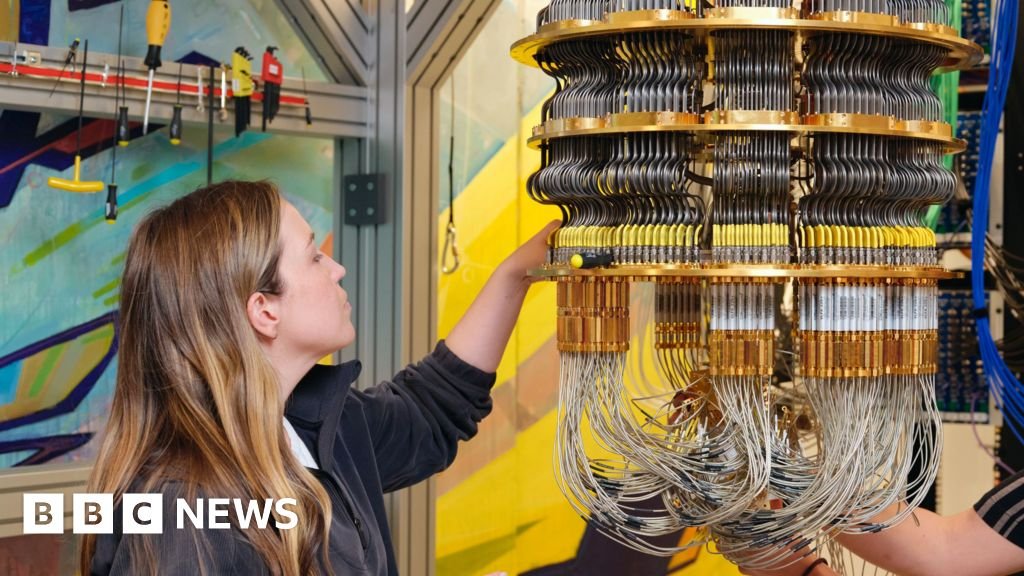
Currently, classical computers utilize binary bits — ones and zeros — to process information. However, quantum computers operate using qubits, which can exist in multiple states. This capability allows quantum computers to perform numerous calculations simultaneously, making them significantly more powerful than today’s systems. Such power could break conventional encryption methods that currently take thousands of years to crack. Experts suggest that well-equipped quantum computers might reduce that time to mere minutes.
Transitioning into these unpredictable waters raises immediate implications. As encryption cracks open, anything protected could fall prey to malicious users. Important assets, including personal data, trade secrets, and national security details, stand at risk. The potential for disruption grows as a limited number of quantum devices could exploit these vulnerabilities.
Research and technology sectors have begun addressing this issue. The National Institute of Standards and Technology (NIST) has introduced new post-quantum encryption standards to secure various electronic information systems. However, upgrading systems won’t be straightforward. Businesses must review what data is still valuable in the face of an evolving threat landscape. Legacy systems, particularly in critical services like water treatment, may struggle to adapt due to their limitations.
The scale of the problem is massive. We face billions of devices operating on old encryption methods. While some updates will occur seamlessly—like browser updates—others present challenges. Upgrading the Internet of Things (IoT) devices involves identifying hard-to-reach equipment. Some may not even have the processing power to handle new cryptographic methods.
Satellite infrastructures also face similar predicaments. While low Earth orbit satellites can receive upgrades relatively easily, remote sensing satellites are more challenging due to their complexity. Replacing or upgrading these devices entails more significant hurdles, although advances in satellite launches help mitigate some issues.
Just as the millennium bug appeared daunting but turned out manageable through preparation, quantum computing presents a different, less predictable scenario. The timeline remains uncertain. Unlike the Y2K problem, which had a known deadline, current encryption vulnerabilities could emerge at any moment.
As society advances toward a quantum future, technology leaders must take proactive steps. Whether it’s updating encryption or ensuring all devices support new standards, the path forward demands diligence and foresight. Organizations must prioritize transparency, adaptability, and security. The integrity of our digital infrastructure depends on it. The question remains: Are we ready for the quantum revolution?
Continue Your Tech Journey
Dive deeper into the world of Cryptocurrency and its impact on global finance.
Discover archived knowledge and digital history on the Internet Archive.
AITecv1
