

Essential Insights
-
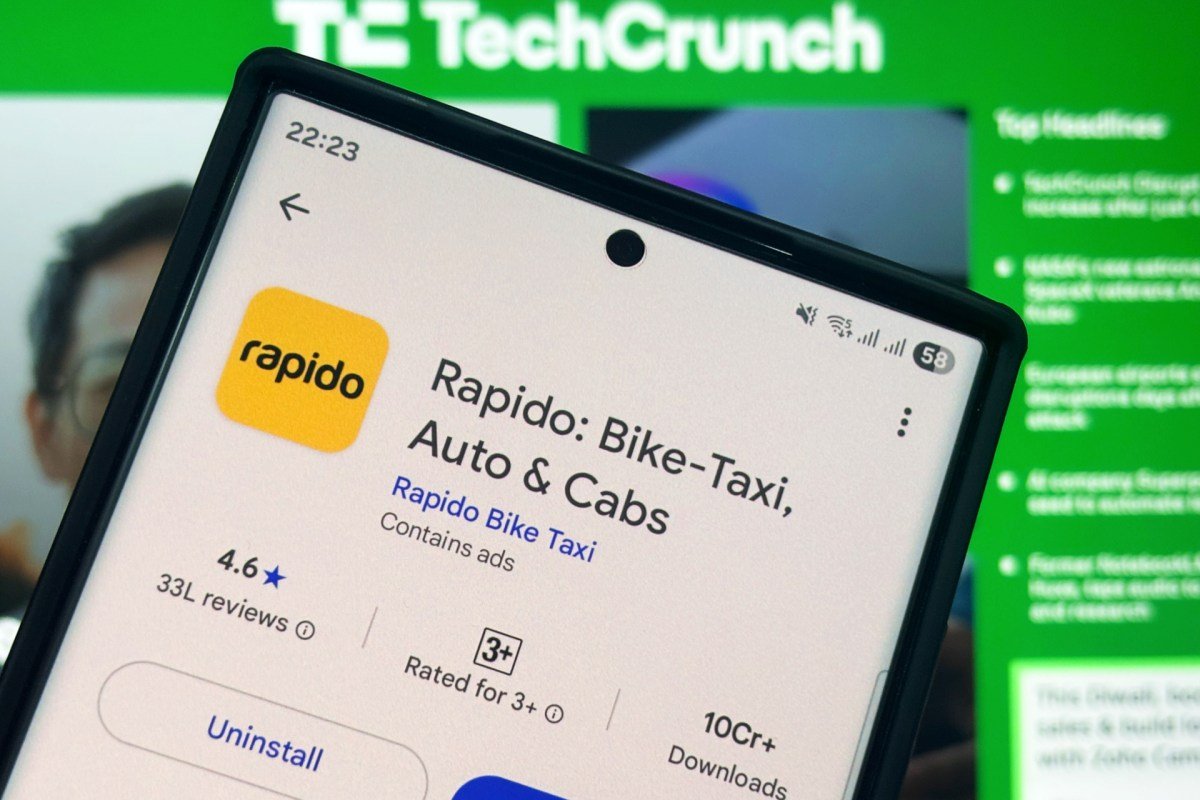
Valuation Surge: Rapido, the ride-hailing platform in India, has doubled its valuation to $2.3 billion following a 12% stake sale by Swiggy, right after entering the food delivery market.
-
Stake Sale Details: Swiggy sold its entire stake for ₹24 billion ($270M), with Prosus acquiring 10% for ₹19.68 billion ($222M) and WestBridge Capital acquiring the remainder for ₹4.31 billion ($49M).
-
Market Competition: Rapido’s foray into food delivery, leveraging insights from its past partnership with Swiggy, poses a competitive threat to incumbents like Swiggy and Zomato, especially amid new tax regulations that limit pricing strategies.
-
Swiggy’s Growth Strategy: As competition intensifies, Swiggy is focusing on its thriving quick commerce arm, Instamart, which has seen significant growth, now accounting for nearly a third of its total B2C orders.
The Rise of Rapido in a Competitive Market
Rapido’s valuation has surged to $2.3 billion following Swiggy’s sale of its 12% stake. This move highlights the dynamic nature of the Indian ride-hailing sector. With Swiggy offloading shares worth about $270 million, Rapido’s valuation has more than doubled from $1.1 billion in September 2024. Investors are clearly confident in Rapido’s growth trajectory. Notably, Prosus, a key backer, is deepening its involvement by acquiring a significant portion of the stake.
Moreover, Rapido’s venture into food delivery adds another layer of complexity. This expansion challenges Swiggy’s established dominance. Rapido’s initial pilot in Bengaluru illustrates its strategic growth. By tapping into insights from its partnership with Swiggy, it enhances its understanding of market needs and operational hurdles. Thus, Rapido positions itself as a legitimate competitor in the food delivery arena, causing potential disruption.
Implications for the Industry Landscape
Rapido’s entry into food delivery raises questions for existing players like Swiggy and Zomato. Competition could intensify as companies may need to reconsider commission structures to keep restaurant partners. However, new GST regulations could complicate matters. The fixed 18% tax on food deliveries diminishes price flexibility, influencing competitive strategies.
As the industry evolves, Swiggy also adapts. Its expansion into quick commerce through Instamart signals a shift in focus. This sector has seen significant growth, outperforming traditional food delivery in revenue. Understanding this multifaceted landscape becomes crucial. The interplay between ride-hailing and food delivery demonstrates a fascinating evolution in consumer preferences and business strategies. The coming months will reveal how players like Rapido and Swiggy navigate these changes, shaping the future of urban mobility and food accessibility.
Expand Your Tech Knowledge
Learn how the Internet of Things (IoT) is transforming everyday life.
Explore past and present digital transformations on the Internet Archive.
TechV1
