

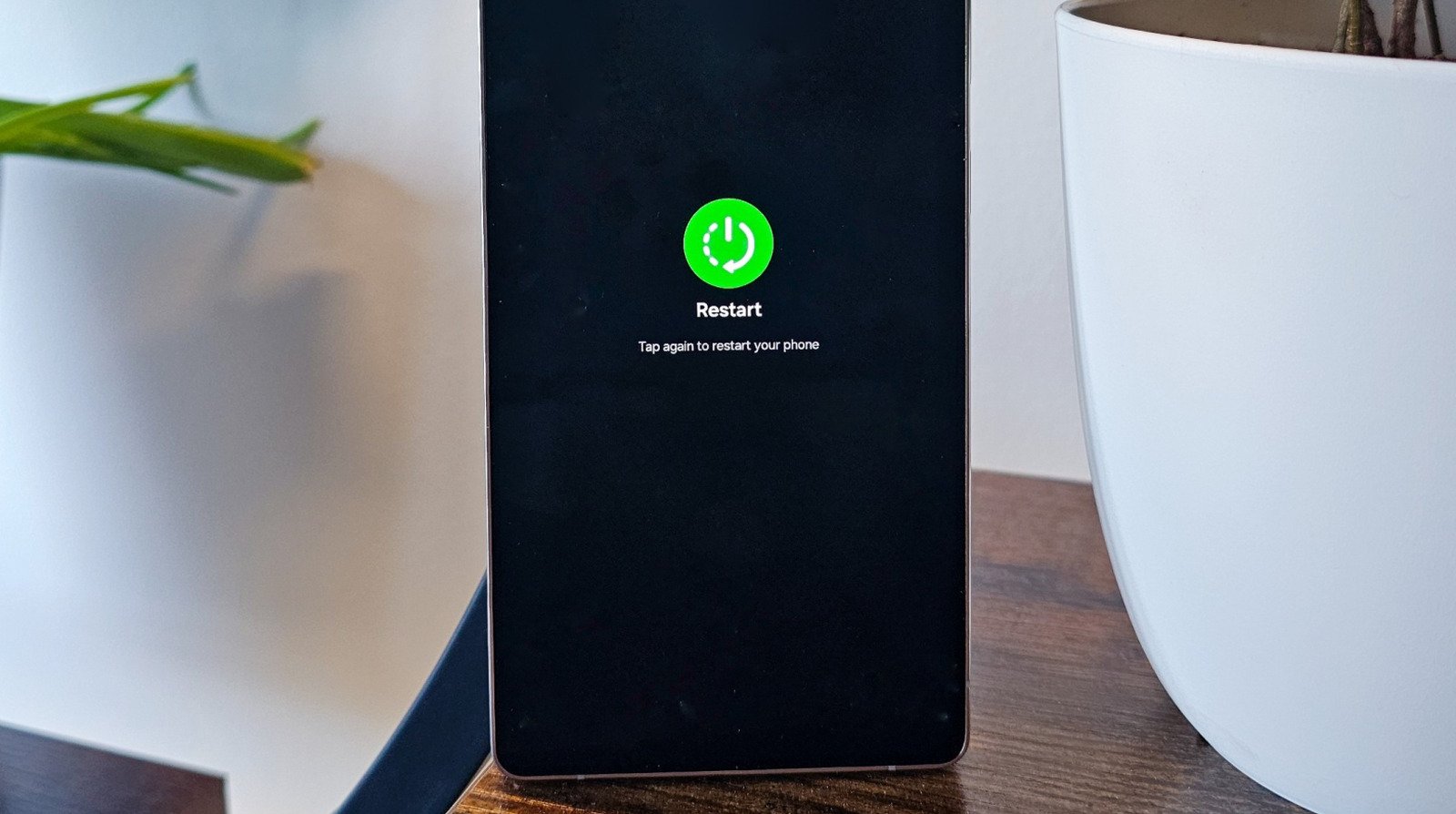
Summary Points
- Regularly rebooting smartphones can improve performance by clearing caches, but most devices are designed to handle long uptimes without issues.
- Rebooting may provide marginal security benefits, such as making it harder for forensic tools to access data immediately after a restart, especially before device unlock.
- For optimal security, reboot your phone without unlocking it — in a state called Before First Unlock (BFU) — making it harder for theft or officials to extract data during seizures.
- Most experts recommend rebooting roughly once a week or when encountering performance issues, but it’s ultimately a matter of personal preference with minimal security trade-offs.
Do Smartphones Really Need Regular Restarts?
Many people believe they should restart their phones regularly to keep them running smoothly. Often, they wonder if it improves performance or security. The truth is, modern smartphones are built to stay on for weeks without problems. Operating systems like iOS and Android contain many features that help them run efficiently over long periods. For example, Android devices use cache to load apps quickly, which can make them feel more responsive when the system is caching more data. iPhones manage RAM aggressively, clearing cache when necessary to keep things running smoothly.
However, after days or weeks of use, some apps may start crashing or acting sluggish. This happens because the cache becomes too full or because background processes struggle to manage resources. Restarting your device clears the cache and resets processes. This can give your phone a quick performance boost. Still, for most users, this benefit is minor. Smartphones are designed to handle long uptime without noticeable issues. Consequently, most people don’t need to restart their phones on a strict schedule.
In the end, regular restarting can help fix small glitches, but it isn’t always necessary. It’s more about your experience than a strict rule. You should restart your device if it feels slow or unresponsive. Otherwise, your phone is capable of lasting many days or weeks without issues. This is especially true for everyday use, making automatic restarts or occasional manual ones more of a convenience than a requirement.
Security Benefits of Rebooting Your Phone
Some experts suggest that restarting your phone can help improve security. For example, the National Security Agency states that rebooting once a week can provide some defense against specific types of cyberattacks. These include spear phishing and zero-click malware attacks. These threats target high-value individuals or involve malicious software that activates without user action.
The key point here is that rebooting can eliminate malware or hacking tools stored in volatile memory. When you turn off your device, temporary data and malicious code are wiped away. This makes it harder for attackers to maintain access. Still, rebooting alone isn’t enough to secure your device fully. Sophisticated hackers and state-sponsored actors often use more advanced methods that won’t be thwarted by a simple restart. Keeping your software updated and being cautious with apps remains vital for better security.
You can also gain a security advantage by rebooting without unlocking your phone. This resets the device into a highly encrypted “Before First Unlock” state. If your phone gets stolen or taken to border security, it becomes more difficult for someone to extract your data. That’s because encrypted data is harder to access until it’s unlocked. Therefore, rebooting before unlocking can act as an extra barrier against theft or inspection.
While restarting offers small security perks, it shouldn’t be the only line of defense. Always follow best practices, like updating software and monitoring app access. Rebooting is just one piece of a larger security puzzle, but it’s a simple step that can make a difference in certain situations.
How Often Should You Restart Your Phone?
If you’re trying to decide how often to restart your phone, the answer depends on your usage. Most manufacturers recommend doing it about once a week. That way, you refresh your device and clear potential minor issues. Some Android phones include features that automatically restart at scheduled times. Others, like Google Pixel phones and iPhones, reboot after 72 hours of inactivity. These settings help maintain performance without much effort from you.
Still, you don’t need to restart daily or even weekly unless your phone is acting strangely. Many users find that restarting only when they notice lag, crashes, or connectivity issues works fine. Doing so can fix bugs and restore speed. Moreover, automatic restarts or scheduled reboots require minimal setup and can keep your device operating smoothly with little intervention.
Ultimately, it’s a matter of personal preference. If your device performs well and stays responsive, frequent restarts aren’t necessary. Think of restarting more as a troubleshooting tool rather than a daily ritual. Use your judgment based on how your phone feels and functions. After all, your device is built for long-term use, and a simple restart can be a quick fix when needed.
What matters most is choosing a routine that fits your lifestyle and keeps your device running well. Restarting occasionally helps, but don’t feel pressured to do it more often than necessary. The restart button is always available if your phone needs a refresh or a quick tune-up.
Expand Your Tech Knowledge
Dive deeper into the world of Cryptocurrency and its impact on global finance.
Explore past and present digital transformations on the Internet Archive.
CellphonesV1
