
Close Menu
    Facebook X (Twitter) Instagram
    Saturday, May 2
    Top Stories:
    • Scientists Unleash Enzyme That May Boost Ozempic’s Power
    • Thirsty Truth: Why More Water Won’t Always Stop Kidney Stones
    • Unlocking Hormonal Health: Oura’s Enhanced Insights for Series 3 & 4 Rings
    Facebook X (Twitter) Instagram Pinterest Vimeo
    IO Tribune
    • Home
    • AI
    • Tech
      • Gadgets
      • Fashion Tech
    • Crypto
    • Smart Cities
      • IOT
    • Science
      • Space
      • Quantum
    • OPED
    IO Tribune
    Home » Silent Skies: NASA’s Breakthrough in Aviation Technology
    Space

    Silent Skies: NASA’s Breakthrough in Aviation Technology

    Staff ReporterBy Staff ReporterMarch 12, 2025No Comments3 Mins Read
    Share Facebook Twitter Pinterest LinkedIn Tumblr Reddit Telegram Email
    Share
    Facebook Twitter LinkedIn Pinterest Email

    Top Highlights

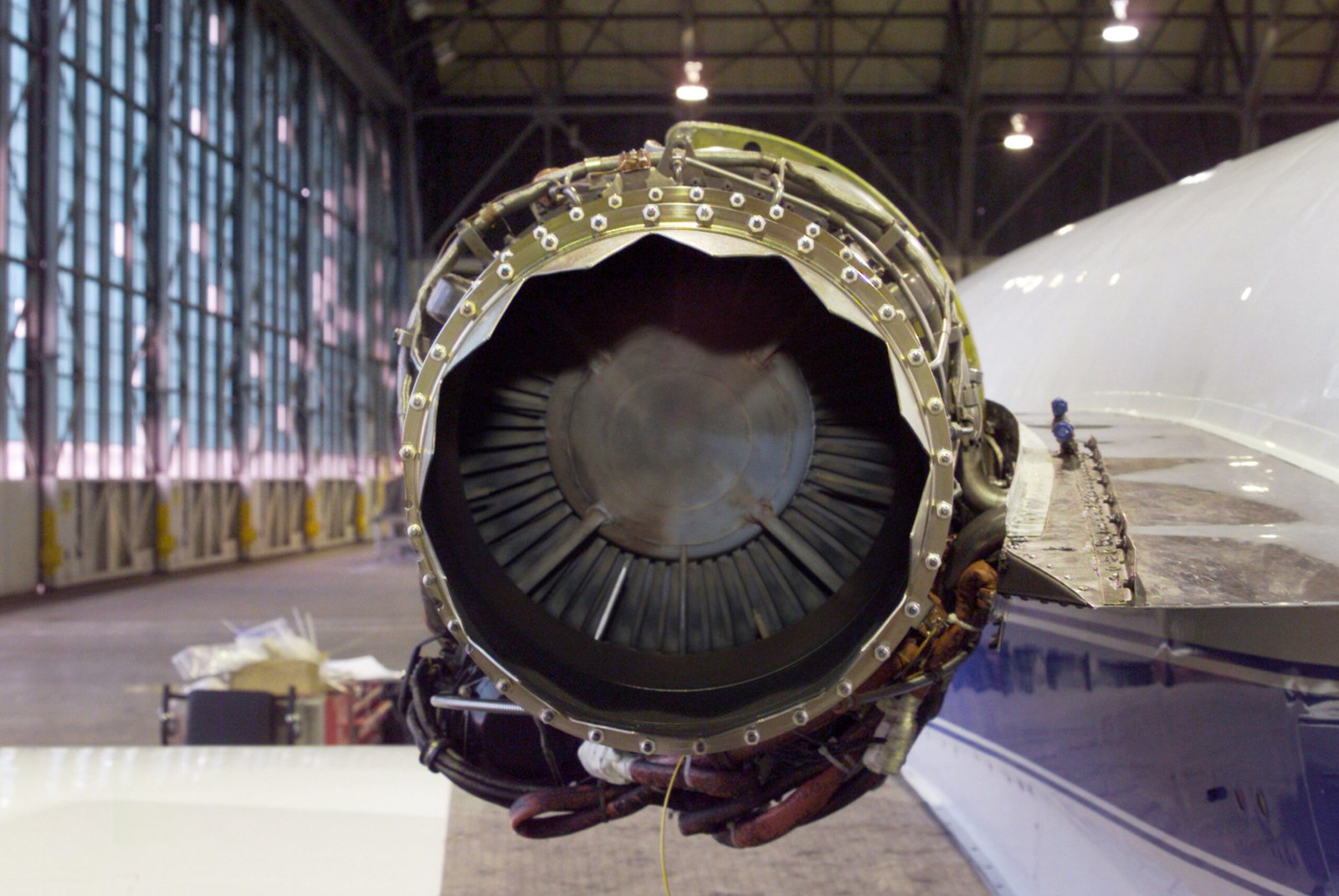
    1. Groundbreaking Flight Test: On March 27, 2001, NASA conducted the first flight test of chevron nozzles on a Learjet, a crucial step toward significantly reducing aircraft noise levels.

    2. Innovative Technology Development: Research since the 1950s led to the discovery that jagged-edged chevron nozzles could reduce engine noise by improving airflow, enabling quieter aircraft operation.

    3. Promising Results with Minimal Impact: Tests showed that chevron nozzles reduced thrust by only 0.25%, demonstrating their potential as a noise-reduction solution without sacrificing performance.

    4. Industry Adoption and Recognition: The successful flight tests led to FAA certification of GE’s CF34-8 engine with chevron technology, now utilized in modern airliners like the 737 MAX and 787 Dreamliner, earning NASA an innovation award in 2002.

    NASA’s Chevron Technology Has Quieted the Skies

    NASA’s groundbreaking chevron technology has changed the way we think about aircraft noise. Since the dawn of jet travel, noise pollution has stirred concerns in communities near airports. However, recent advancements show promise in alleviating this issue.

    In 2001, NASA began testing an innovative jagged-edged nozzle on a Learjet. This chevron nozzle demonstrated a significant capacity to reduce sound. Researchers aimed to lower noise levels for neighborhoods adjacent to busy flight paths. Historically, engine noise had dominated aviation discussions since the introduction of jet airliners in the 1950s.

    With growing commercial air traffic, quieter engines became increasingly vital. Engine noise remained a problem even after new turbofan designs decreased sound levels. Thus, in the 1970s, NASA and manufacturers started exploring noise-reduction technologies. Researchers soon discovered military techniques used for disguise could also help with noise reduction.

    By the 1990s, scientists at NASA found that a serrated edge, or chevron shape, offered effective sound control. They partnered with major engine manufacturers to analyze several nozzle designs. Testing in specialized laboratories confirmed that these chevron nozzles significantly reduced noise.

    Remarkably, flight tests between 2001 and 2002 affirmed these findings. Even though initial tests showed little change in thrust, results demonstrated a notable decrease in noise levels. This led to the Federal Aviation Administration certifying new engines with chevron technology, revolutionizing design in commercial aviation.

    Today, aircraft like the 737 MAX and the 787 Dreamliner utilize this technology. As communities strive for quieter skies, chevrons offer a viable solution. Not only do they enhance the quality of life for residents, but they also represent a significant step forward in aviation engineering. Thus, we witness the merging of science and technology, leading to quieter, more efficient air travel.

    Continue Your Tech Journey

    Stay informed on the revolutionary breakthroughs in Quantum Computing research.

    Access comprehensive resources on technology by visiting Wikipedia.

    SciV1

    Aeronautics Aeronautics Research Mission Directorate Cosmos Glenn Research Center Green Aviation Tech NASA NASA History Research Space VT1
    Share. Facebook Twitter Pinterest LinkedIn Tumblr Email
    Previous ArticleFCC Chair Probes YouTube TV on Faith-Based Programming Discrimination
    Next Article Bitcoin Rally Ahead? Stablecoins Signal Accumulation!
    Avatar photo
    Staff Reporter
    • Website

    John Marcelli is a staff writer for IO Tribune, with a passion for exploring and writing about the ever-evolving world of technology. From emerging trends to in-depth reviews of the latest gadgets, John stays at the forefront of innovation, delivering engaging content that informs and inspires readers. When he's not writing, he enjoys experimenting with new tech tools and diving into the digital landscape.

    Related Posts

    IOT

    GITEX Expands to Kenya, Poised for $2.4B AI Impact

    May 2, 2026
    Tech

    Scientists Unleash Enzyme That May Boost Ozempic’s Power

    May 2, 2026
    AI

    Landing Your Dream Job in the AI Age

    May 2, 2026
    Add A Comment

    Comments are closed.

    Must Read

    GITEX Expands to Kenya, Poised for $2.4B AI Impact

    May 2, 2026

    Scientists Unleash Enzyme That May Boost Ozempic’s Power

    May 2, 2026

    Landing Your Dream Job in the AI Age

    May 2, 2026

    Thirsty Truth: Why More Water Won’t Always Stop Kidney Stones

    May 2, 2026

    Crypto VC dips to $659m, lowest since 2024

    May 1, 2026
    Categories
    • AI
    • Crypto
    • Fashion Tech
    • Gadgets
    • IOT
    • OPED
    • Quantum
    • Science
    • Smart Cities
    • Space
    • Tech
    • Technology
    Most Popular

    Boosted Speed: My Pixel 10 Shines with Android 16 QPR2 Update!

    December 6, 2025

    Revolutionizing Quantum Computing: A Breakthrough Photonic Quantum Gate

    September 29, 2025

    Wayfinder Soars 180%, MIM Up 150%, Ethereum Stumbles!

    April 13, 2025
    Our Picks

    Legacy of Power: The Karami Dynasty in Lebanon

    February 19, 2025

    BYDFi Teams Up with Ledger for Exclusive Hardware Wallet Launch at TOKEN2049 Dubai!

    April 30, 2025

    Samsung’s Next Galaxy Earbuds: Expect the Unexpected with Earclip Design!

    April 21, 2026
    Categories
    • AI
    • Crypto
    • Fashion Tech
    • Gadgets
    • IOT
    • OPED
    • Quantum
    • Science
    • Smart Cities
    • Space
    • Tech
    • Technology
    • Privacy Policy
    • Disclaimer
    • Terms and Conditions
    • About Us
    • Contact us
    Copyright © 2025 Iotribune.comAll Rights Reserved.

    Type above and press Enter to search. Press Esc to cancel.