

Fast Facts
- NASA reused spy satellite optics to build the Nancy Grace Roman Space Telescope.
- The NRO’s failed 2000s spy satellites provided usable optics for NASA’s project.
- Reworking old hardware saved costs but required electronics replacements and modifications.
- Roman aims to explore dark energy, distant worlds, and universal mysteries upon launch.
From spy satellite to space telescope: The unlikely origins of NASA’s Roman Space Telescope
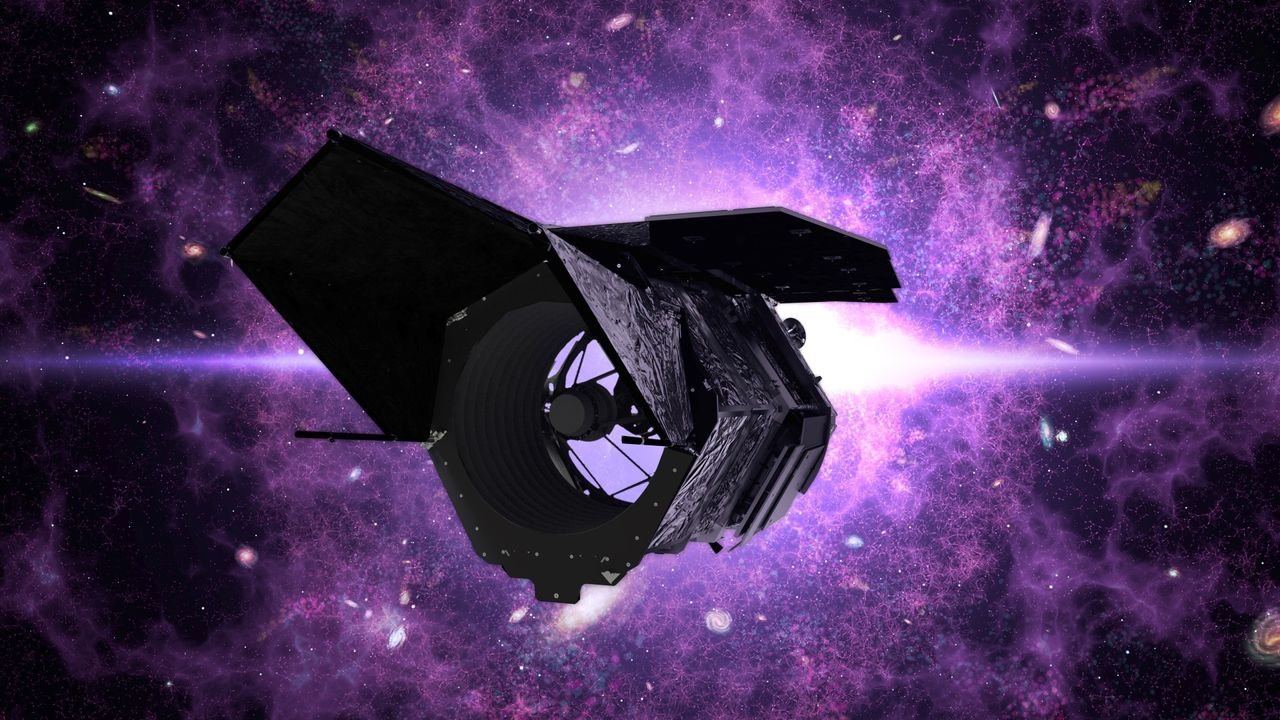
NASA is preparing for a major milestone. On Aug. 30, it plans to launch the next-generation Roman Space Telescope. This powerful observatory will explore dark energy, look at distant worlds, and deepen our understanding of the universe. But how did NASA build such a complex invention? The answer will surprise you. It involves repurposing spy satellite technology once considered a failure.
The Surprising Connection to Spy Satellites
The core of the Roman Telescope is the Optical Telescope Assembly. It includes the main mirror, nine additional mirrors, supporting parts, and electronic systems. Yet, most of this technology did not come from traditional space telescope projects. Instead, NASA used technology originally created for U.S. spy satellites.
The story begins in 1999 with the U.S. National Reconnaissance Office (NRO). It launched the Future Imagery Architecture program, which aimed to develop advanced spy satellites. Boeing was contracted to design these new satellites, which featured sophisticated imaging systems. These were meant for national security and surveillance. However, the program faced severe issues. High costs, delays, and technical problems led to its collapse. The project was canceled in 2005 after billions of dollars were spent with little return.
Despite the failure, the program left behind valuable hardware. In 2012, the NRO donated two unused space telescopes from this program to NASA. These telescopes were similar in design to the Hubble Space Telescope. They represented a rare opportunity for NASA: high-quality optics at no cost. This donation came just as NASA was planning the Roman mission, then known as WFIRST.
NASA officials saw potential in the donated hardware. Using these leftover telescopes could save money and time. So, in 2011, NASA decided to incorporate the spy satellite technology into their plans. Although the hardware required significant modifications—including replacing electronics—the decision offered a real boost.
This collaboration followed recommendations from the 2010 National Academy of Science survey, which named Roman a top priority. The reuse of existing hardware aligned with efforts to control costs and accelerate development. It was a pragmatic choice, turning a failed spy project into a scientific breakthrough.
Technology, Challenges, and Benefits
The donated telescopes had high-end optics, but new electronics had to be installed. Some details about the hardware remained classified or blacked out. This created challenges for engineers trying to understand and adapt the equipment. They had limited access to full specifications and had to troubleshoot with incomplete information.
Regardless of these hurdles, the Roman team managed to stay on track. The project maintained its schedule and budget remarkably well for a space telescope of its scale. Each donated telescope was valued at at least $250 million. It’s uncertain whether reusing the hardware actually saved costs or introduced extra expenses. Some experts argued the electronics replacements and modifications could offset savings. Still, the approach demonstrated innovative reuse of costly hardware.
NASA still holds a second telescope from the NRO, but officials haven’t revealed their plans for it. The unexpected journey from spy tech to scientific instrument shows how flexible and resourceful space agencies can be. The Roman Space Telescope is now ready for launch, showcasing a surprising blend of espionage and astronomy.
Join us on Aug. 30 to witness a space telescope born from spy satellite technology, venturing into the depths of space to reveal cosmic mysteries.
Continue Your Tech Journey
Stay informed on the revolutionary breakthroughs in Quantum Computing research.
Discover archived knowledge and digital history on the Internet Archive.
Space
