
Close Menu
    Facebook X (Twitter) Instagram
    Wednesday, June 10
    Top Stories:
    • Apple’s Tough Love: Apps at Risk for Low User Engagement
    • Microsoft Cuts Hundreds of Cloud Jobs Amid Tightening Data Laws
    • Bemotrizinol Boosts Sunscreen Defense with Cutting-Edge Protection
    Facebook X (Twitter) Instagram Pinterest Vimeo
    IO Tribune
    • Home
    • AI
    • Tech
      • Gadgets
      • Fashion Tech
    • Crypto
    • Smart Cities
      • IOT
    • Science
      • Space
      • Quantum
    • OPED
    IO Tribune
    Home » Breaking Barriers: The 20-Electron Molecule That Redefines Chemistry
    Tech

    Breaking Barriers: The 20-Electron Molecule That Redefines Chemistry

    Lina Johnson MercilliBy Lina Johnson MercilliJuly 29, 2025No Comments2 Mins Read
    Share Facebook Twitter Pinterest LinkedIn Tumblr Reddit Telegram Email
    Share
    Facebook Twitter LinkedIn Pinterest Email

    Quick Takeaways

    1. Novel Compound Synthesis: Researchers at OIST have synthesized a stable 20-electron ferrocene derivative, challenging the century-old 18-electron rule in organometallic chemistry.

    2. Redox Properties: This breakthrough introduces unconventional redox properties, allowing access to new oxidation states and enhancing the potential for applications in catalysis and materials science.

    3. Implications for Sustainable Chemistry: Insights from this research can aid in designing tailor-made molecules with applications in sustainable chemistry, green catalysts, and next-generation materials.

    4. Future Innovation Platform: The study expands the conceptual toolkit for chemists, opening avenues for new technologies and applications in fields like energy storage, pharmaceuticals, and advanced catalysts.

    Revising Chemical Principals

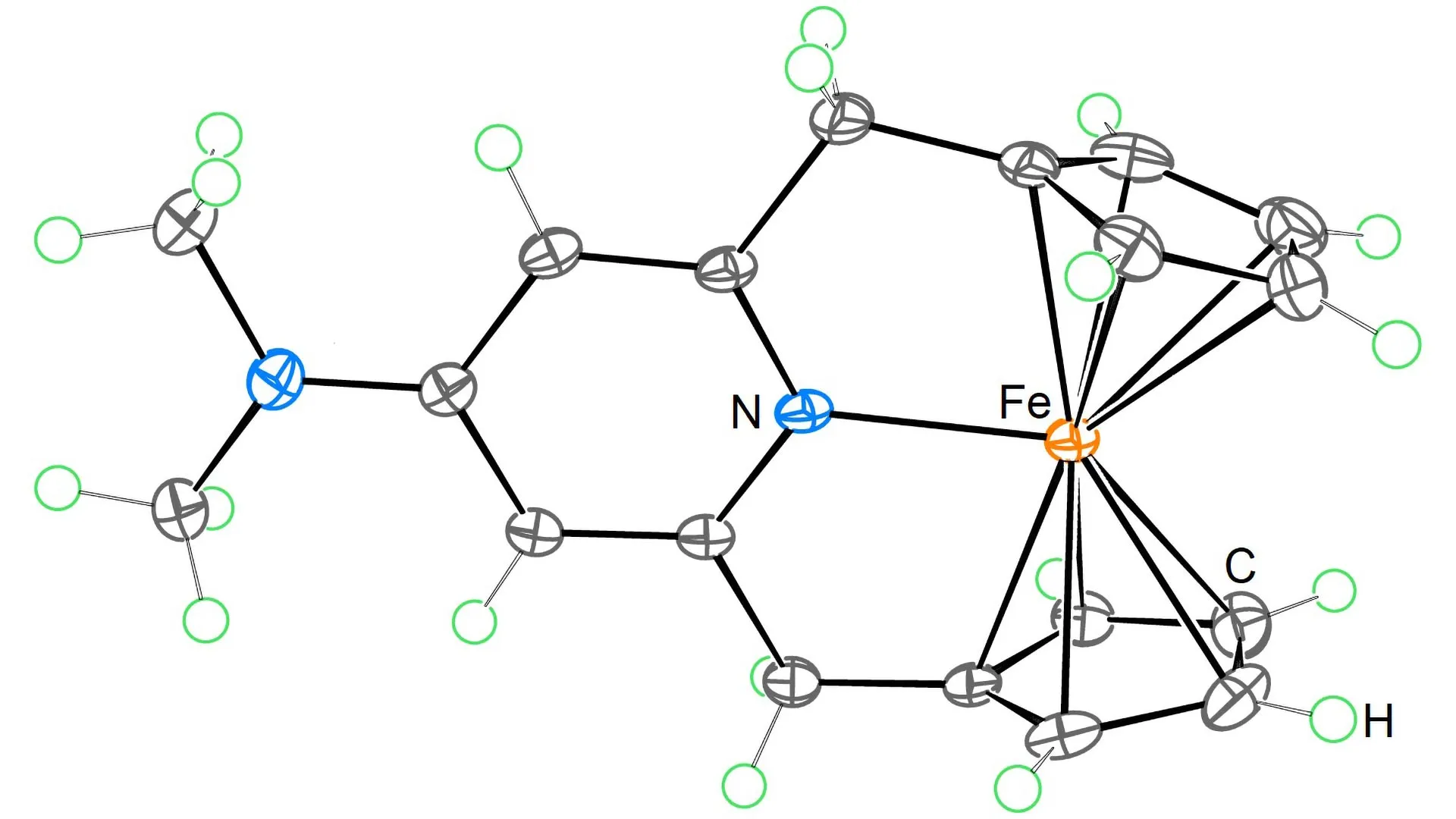
    For over a century, the 18-electron rule has dominated our understanding of organometallic chemistry. This rule suggests that transition metal complexes achieve maximum stability with 18 valence electrons. However, researchers at the Okinawa Institute of Science and Technology have shattered this long-standing belief. They synthesized a stable 20-electron derivative of ferrocene, an iron-based complex. This achievement not only challenges chemical norms but also opens avenues for new scientific exploration.

    The new compound demonstrates how adding two more electrons can enhance redox properties. Initially, ferrocene served as a pivotal discovery, earning a Nobel Prize in Chemistry for altering our grasp of metal-organic bonding. The OIST team built upon this legacy, crafting a ligand system that enables the coexistence of stability and additional electrons. Now, chemists can access unconventional oxidation states that could transform its utility in catalysis, materials science, and energy storage.

    A Catalyst for Future Opportunities

    Ferrocene derivatives have already found diverse applications, from solar cells to pharmaceuticals. This breakthrough provides chemists a fresh perspective on molecular design. It enhances the potential for creating green catalysts and next-generation materials.

    The Organometallic Chemistry Group at OIST focuses on uncovering the principles that govern metal-organic interactions. Their work symbolizes a new frontier in chemical innovation, emphasizing the importance of challenging established rules. Ultimately, this synthesis not only enriches our understanding of chemistry but also lays the groundwork for sustainable solutions in various fields. The implications of this research resonate far beyond the lab, inviting a future filled with new possibilities.

    Stay Ahead with the Latest Tech Trends

    Stay informed on the revolutionary breakthroughs in Quantum Computing research.

    Discover archived knowledge and digital history on the Internet Archive.

    TechV1

    Innovation Management Tech technology VT1
    Share. Facebook Twitter Pinterest LinkedIn Tumblr Email
    Previous ArticleTraders Eye $140 as Avalanche DeFi Gains Momentum!
    Next Article China’s AI Revolution: 1,509 Models Usher in a New Era
    Avatar photo
    Lina Johnson Mercilli
    • Website

    Lina Johnson Marcelli is the editor for IO Tribune, bringing over two decades of experience in journalism to her role. With a BA in Journalism, she is passionate about delivering impactful stories that resonate with readers. Known for her keen editorial vision and leadership, Lina is dedicated to fostering innovative storytelling across the publication. Outside of work, she enjoys exploring new media trends and mentoring aspiring journalists.

    Related Posts

    Science

    Decoding Zebrafish Brain Signals to Forecast Social Behavior

    June 9, 2026
    Tech

    Apple’s Tough Love: Apps at Risk for Low User Engagement

    June 9, 2026
    AI

    Gemini 3.5 Live Translate – Now Available!

    June 9, 2026
    Add A Comment

    Comments are closed.

    Must Read

    Decoding Zebrafish Brain Signals to Forecast Social Behavior

    June 9, 2026

    Apple’s Tough Love: Apps at Risk for Low User Engagement

    June 9, 2026

    Gemini 3.5 Live Translate – Now Available!

    June 9, 2026

    Microsoft Cuts Hundreds of Cloud Jobs Amid Tightening Data Laws

    June 9, 2026

    Bemotrizinol Boosts Sunscreen Defense with Cutting-Edge Protection

    June 9, 2026
    Categories
    • AI
    • Crypto
    • Fashion Tech
    • Gadgets
    • IOT
    • OPED
    • Quantum
    • Science
    • Smart Cities
    • Space
    • Tech
    • Technology
    Most Popular

    KindlyMD Launches $5B Funding Push Post-Bitcoin Merger

    August 28, 2025

    JPL’s Leap: Embracing Full Onsite Work

    May 26, 2025

    Wake Up Your Brain: The Power of Bitter Tastes

    February 7, 2026
    Our Picks

    IoT Now: December 2025 Contract Wins

    January 11, 2026

    BlackRock’s Bold Move Boosts Solana Sentiment

    March 28, 2025

    BYDFi Joins Seoul Meta Week 2025: Elevating Web3 Vision in South Korea

    June 27, 2025
    Categories
    • AI
    • Crypto
    • Fashion Tech
    • Gadgets
    • IOT
    • OPED
    • Quantum
    • Science
    • Smart Cities
    • Space
    • Tech
    • Technology
    • Privacy Policy
    • Disclaimer
    • Terms and Conditions
    • About Us
    • Contact us
    Copyright © 2025 Iotribune.comAll Rights Reserved.

    Type above and press Enter to search. Press Esc to cancel.