

Summary Points
-
Cultural Shift in Repair: Unlike the US, where damaged items are often discarded, Japan embraces the philosophy of repair, viewing it as a way to maintain relationships with cherished objects and celebrate their imperfections.
-
Art of Kintsugi: Techniques like kintsugi honor broken ceramics by mending cracks with gold, transforming flaws into beauty and connecting with the Japanese aesthetic of wabi-sabi, which finds value in imperfection.
-
Sashiko & Boro Philosophy: Sashiko stitching reinforces worn fabric, emphasizing preservation over aesthetics, while boro textiles reflect years of continuous repair, showcasing history and familial bonds instead of newness.
-
Mindful Craftsmanship: Crafts like kumiko and sashiko advocate for a slower, more thoughtful approach to consumption, encouraging individuals to appreciate and skillfully maintain what they already own, fostering a deeper connection with objects.
Our Favorite Japanese Starter Repair Kits for Ceramics, Clothes, and More
In the U.S., a broken cup often heads straight for the trash. A ripped shirt gets donated or thrown away too. Many view damaged objects as useless. However, Japan offers a refreshing perspective on this issue. “Choosing to repair is not simply sustainable, it is philosophical,” says Atsushi Futatsuya, a sashiko practitioner. This mindset encourages a deeper relationship with our belongings, even after they show wear.
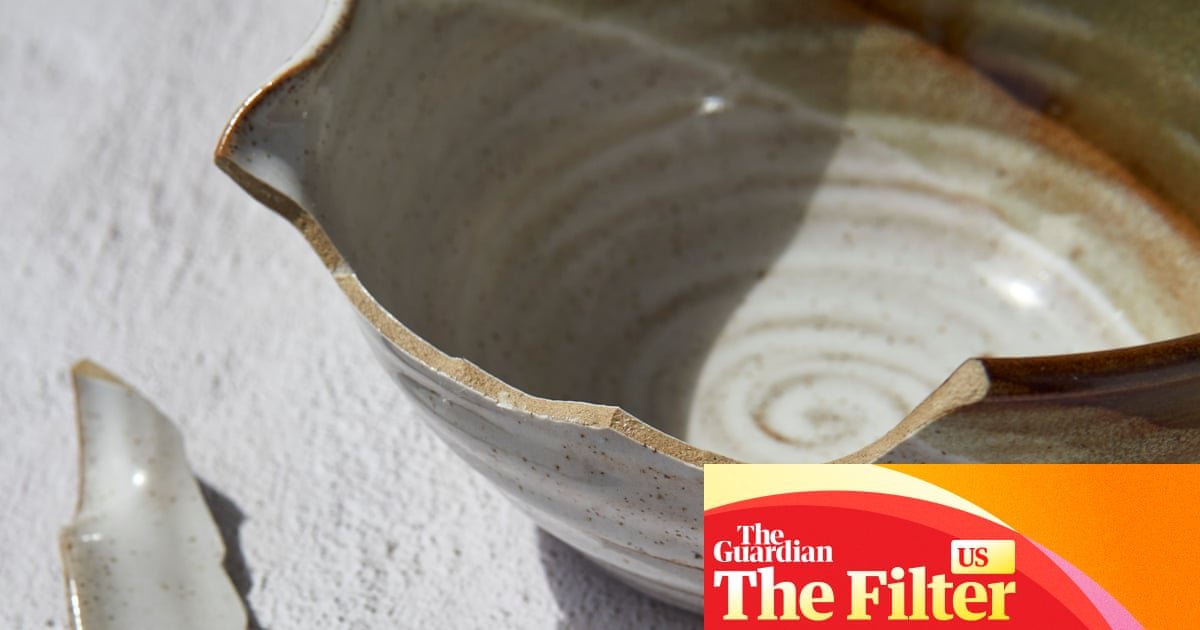
One popular method is kintsugi. This technique repairs broken ceramics using urushi lacquer mixed with gold dust. Instead of hiding damage, kintsugi celebrates it, showing that flaws can add beauty and depth. It reflects the wabi-sabi philosophy, which finds charm in imperfection. Beginners, however, should start with less damaged items. “Urushi needs humidity to cure,” explains Kensuke Ikuta, a kintsugi artisan. Keeping the environment warm and moist improves the curing process.
For those interested in ceramics, the Chimahaga Kintsugi Kit is a fantastic starter option priced at $185. Another choice, the Hiramigakihou Kit, is more affordable at $105. Both kits come with essential materials for easy repairs.
Sashiko, meaning “little stabs,” provides another entry point for DIY enthusiasts. This hand-stitching method reinforces worn fabrics, allowing them to last longer. Futatsuya emphasizes that sashiko promotes a commitment to garments, adding stitched patterns that reflect their history. Many beginners mistakenly treat sashiko as decorative or overly rigid, but it thrives on flexibility and practicality.
A beginner’s Sashiko Starter Package from Sashiko Story costs around $68 and includes essential tools and materials. For a cheaper option, the Olympus Sashiko Sampler is available for just $14.
The boro technique draws from sashiko, but focuses on the beauty of accumulated repairs. This method features textiles patched over generations, telling a story of survival and care. Fukatsuya notes that boro isn’t about aesthetics, but about necessity and function. You don’t need to create perfect art; the goal is to extend the life of a garment.
The Yesterday Store Boro Mending Kit, priced at $29, includes various fabric patches and tools. For a combined approach, consider the Socorro Society Visible Mending Kit at $67.
Lastly, kumiko offers a unique perspective focused on craftsmanship and design. Kumiko artists create intricate, geometric patterns from wood without nails or glue. David Gootnick, a kumiko practitioner, encourages beginners to embrace mistakes as learning opportunities.
For new kumiko makers, the Lee Valley Kumiko Starter Kit is priced at $14.50 and provides pre-cut materials for an easy project. For a more advanced option, check out the JT Woodworks Kumiko Starter Kits, available for $145.
These crafts all promote a change in how we interact with our belongings. In a world driven by consumption, they invite us to slow down and appreciate what we already have. As we repair and create, we forge deeper connections with our objects, transforming flaws into points of pride.
In today’s fast-paced technological landscape, this mindset can influence development. Innovation doesn’t always mean creating something new; sometimes, it involves rethinking how we value and repair what already exists. Embracing these practices can lead to a more sustainable and thoughtful future.
Discover More Technology Insights
Stay informed on the revolutionary breakthroughs in Quantum Computing research.
Stay inspired by the vast knowledge available on Wikipedia.
FashionTechV1
