

Summary Points
Certainly! Here’s a TLDR and the key points with highlights in concise statements:
TLDR:
Sanuj Bhatia emphasizes that when choosing a smartphone, he prioritizes design, size, battery life, and camera quality over other features, advocating for a balanced approach aligned with personal needs.
Key Highlights:
- A smartphone’s design and feel are crucial, reflecting personality and evoking emotional connection, making aesthetics a primary factor.
- Preference for smaller phones (around 6.3 inches) due to ease of use, pocketability, and comfort, avoiding larger flagship devices.
- Long battery life (at least two days) is essential, favoring devices with larger batteries and fast charging, while avoiding thin models with smaller batteries.
- Camera quality matters, but simplicity and effective night photography take precedence over multiple rear sensors or front camera features.
Prioritizing Design for Personal Connection
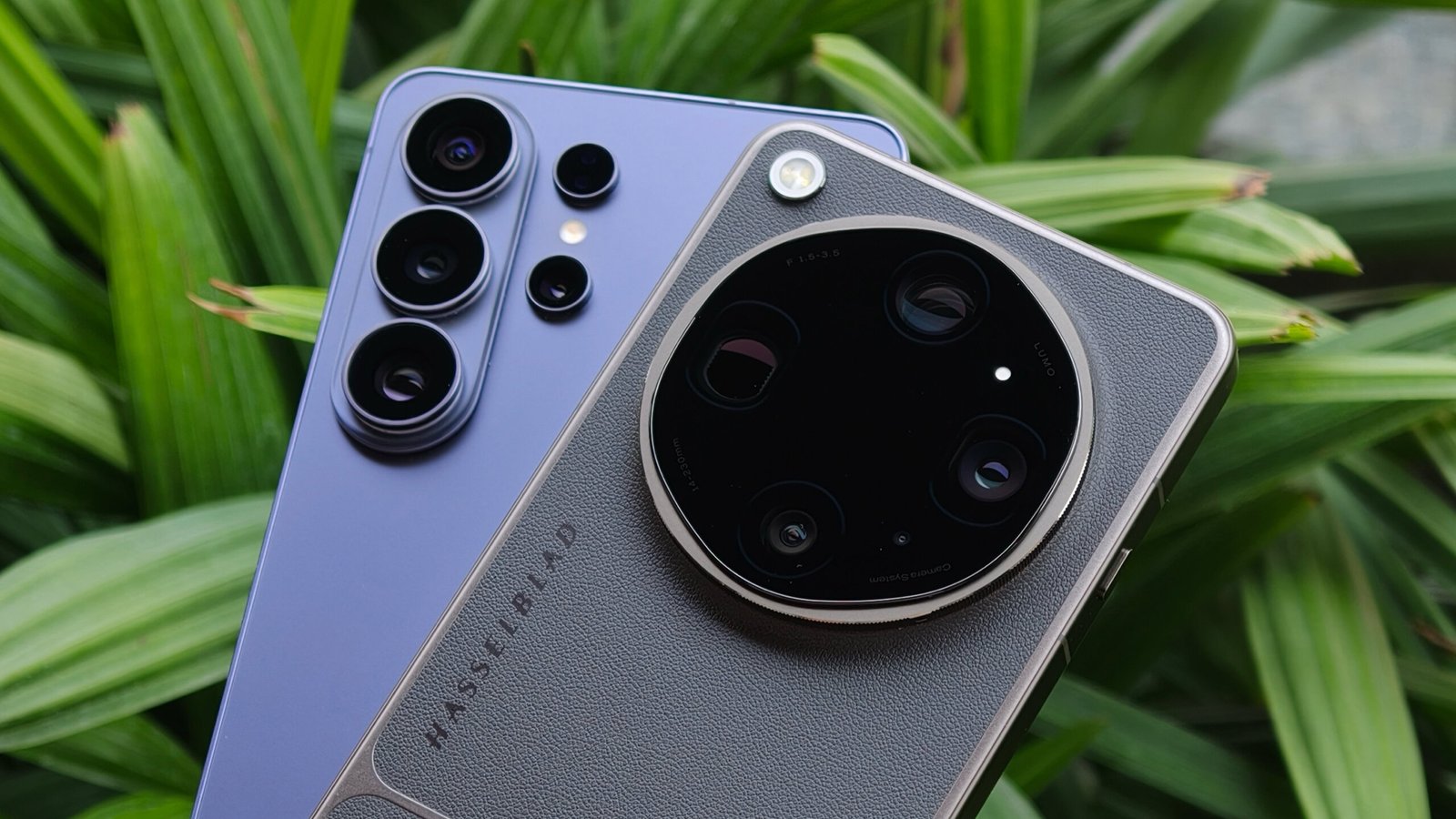
When choosing a smartphone, many focus heavily on specs or hype. However, the look and feel of a device matter a lot to me. A phone isn’t just a tool; it’s part of your daily life. I want it to evoke feelings and tell a story. For example, I admire phones with unique features like a camera bar or bold color options, which make them stand out. The build quality also plays a role, especially when it feels premium—combining glass and metal, for instance. I prefer to experience my device without a case because covering its design feels like hiding a work of art. This approach emphasizes how important it is to feel connected to the device’s aesthetics and craftsmanship. Ultimately, a phone that looks good and feels right in your hand sets a positive tone for daily use.
Balancing Size and Practicality
Size is a crucial factor that influences how much I enjoy using my phone. I lean toward small to medium devices, typically with screens up to 6.3 inches. Larger phones tend to be cumbersome and hard to operate with one hand. I find that a compact size balances the ability to browse, watch videos, and perform tasks comfortably. For instance, models like the Pixel 10 or some Galaxy S series phones fit nicely into this category. They are easy to slip into your pocket and don’t feel bulky. I prefer skipping the larger, ultra-thin flagships because they often compromise grip and comfort. This way, I avoid sacrificing convenience for trendy sizes or extra features. Size isn’t just about comfort; it directly affects portability and how seamlessly a device integrates into everyday life.
Ensuring Longevity Through Battery Power
A feature I never compromise on is battery life. No matter how impressive a phone’s design or camera is, it becomes useless if it dies quickly. I look for devices with large batteries that support at least two days of regular use. For example, a phone with a 5,100mAh battery, paired with a manageable screen size, suits me well. Advances in batteries, like silicon-carbon tech, promise even greater capacity and faster charging. brands are now offering models with batteries surpassing 7,000mAh, but these tend to be bigger and less practical for my preference for compact phones. It’s a trade-off: larger batteries mean longer use without recharging, which is essential for my busy days. A phone should keep going as long as I do and recharge quickly when needed, so I can stay connected without interruption.
Your turn: what features do you prioritize most?
Continue Your Tech Journey
Explore the future of technology with our detailed insights on Artificial Intelligence.
Discover archived knowledge and digital history on the Internet Archive.
CellphonesV1
