

Quick Takeaways
-
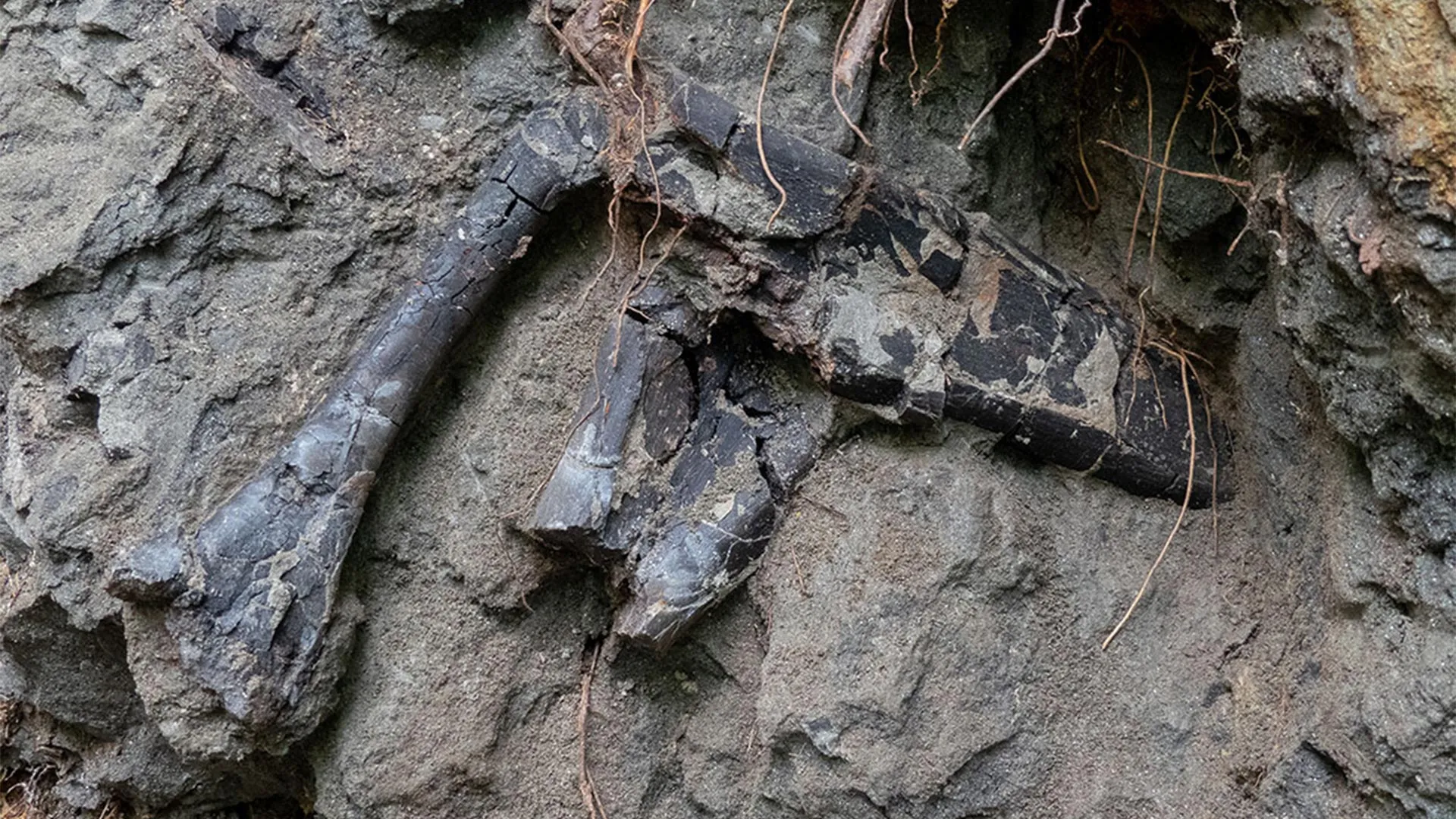
Exceptional Fossil Richness: The K2 site in the Hațeg Basin has yielded over 800 vertebrate fossils in an area of less than five square meters, marking it as the richest fossil site documented in the region.
-
Significant Discoveries: Among the findings are partial skeletons of two plant-eating dinosaurs, including a well-preserved titanosaurian sauropod, offering important insights into their evolutionary relationships.
-
Unique Geological Context: The high concentration of bones results from ancient flood events that transported and deposited animal carcasses into a small lake, revealing the area’s prehistoric ecosystem dynamics.
-
Historical Insights: This site represents the oldest known vertebrate accumulation in the Hațeg Basin, enhancing understanding of dinosaur evolution and community structure in Late Cretaceous Europe.
Years of Fieldwork Lead to an Exceptional Fossil Find
The Hațeg Basin in Transylvania has gained global recognition for its dinosaur fossils. Researchers have uncovered multiple sites over the past century, yet complete dinosaur discoveries have remained rare. Recently, this trend shifted with the discovery of the K2 site, which revealed a remarkable concentration of over 100 vertebrate fossils per square meter. Excavations led by a dedicated research group highlighted more than 800 vertebrate fossils from an area smaller than five square meters. This significant find marks the richest fossil site documented in the region.
Researchers attribute this accumulation to conditions in the Upper Cretaceous. About 72 million years ago, the basin was shaped by a warm climate and frequent floods. These floods transported animal carcasses to the shores of a small lake, where they mixed with other remains. Consequently, the K2 site serves as a unique window into ancient ecosystems, showcasing the interaction of various species. It also emphasizes the potential usefulness of this site for ongoing research and discovery in paleontology.
Rare Dinosaur Skeletons Reveal New Scientific Insights
The K2 site stands out for more than just its quantity of fossils. It offers crucial insights into dinosaur evolution in Europe. Among the finds, researchers identified partial skeletons from two distinct plant-eating dinosaur species. One belongs to a Rhabdodontidae dinosaur, while the other showcases a previously undiscovered titanosaurian sauropod. This major breakthrough provides a foundation for scientists to understand these species’ roles in their ecosystems.
Moreover, this site represents the oldest known vertebrate accumulation in the Hațeg Basin. It allows scientists to trace the evolution of dinosaur fauna in the area and reveals connections to younger ecosystems in Transylvania. As ongoing excavations continue, the research promises to enrich our understanding of how ancient life adapted to environmental changes. Ultimately, these discoveries contribute valuable knowledge to our comprehension of the Earth’s historical biodiversity.
Expand Your Tech Knowledge
Learn how the Internet of Things (IoT) is transforming everyday life.
Discover archived knowledge and digital history on the Internet Archive.
TechV1
