

Summary Points
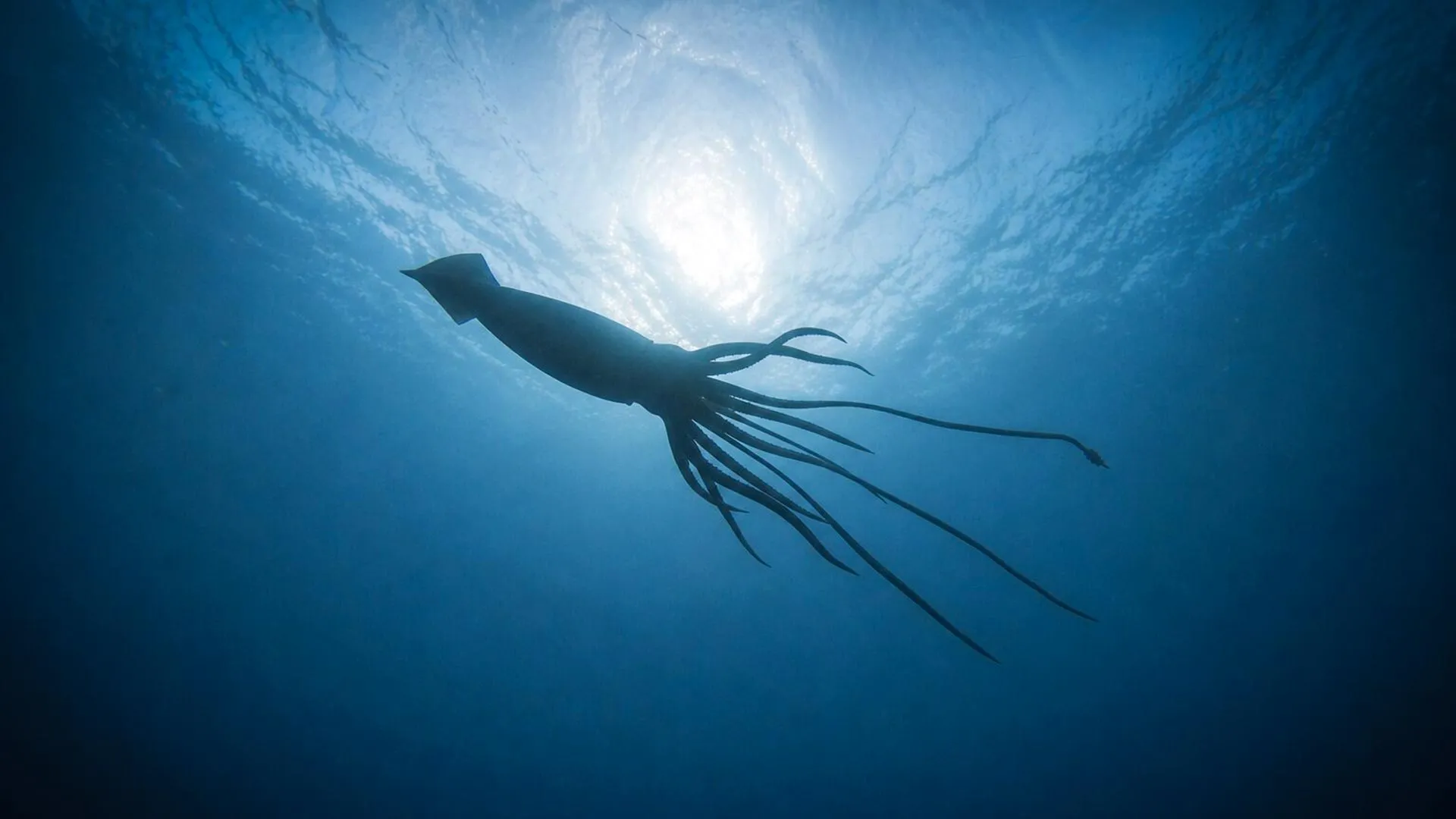
- Researchers discovered diverse marine life off Western Australia’s Ningaloo coast, including giant squid.
- The study used environmental DNA to identify species without direct observation.
- Findings revealed 226 species, many potentially unknown to science, in deep waters.
- eDNA technology enhances understanding and conservation of unexplored deep-sea ecosystems.
Unveiling the Depths of Marine Biodiversity
Scientists have made a groundbreaking discovery off the coast of Western Australia. The exploration revealed a stunning variety of marine life untouched by previous research. This study focused on the Cape Range and Cloates submarine canyons, located about 1,200 kilometers from Perth. Researchers collected over 1,000 samples from depths of up to 4,510 meters. Their findings included evidence of giant squid and numerous species potentially unknown to science.
Using environmental DNA (eDNA) changed the game for marine research. Unlike traditional methods that rely on physical sightings or specimens, eDNA captures the genetic traces left behind in seawater. These tiny fragments provide insights into marine life without direct observation. This technique allows researchers to detect creatures that are elusive or difficult to catch, which enhances our understanding of deep-sea ecosystems. The study identified 226 species spanning multiple animal groups. Among these were several that had never before been recorded in Western Australian waters.
The Role of Technology in Deep-Sea Research
This research exemplifies how technology can transform our exploration of the ocean. The use of eDNA means scientists can gather information quickly and efficiently, even in remote and challenging environments. The significance of identifying a giant squid—a rare and iconic creature—captures public imagination. However, the real value lies in uncovering a vast array of hidden biodiversity.
Deep-sea ecosystems face mounting threats from climate change and human activities. Modern techniques like eDNA provide a scalable and non-invasive approach to building baseline knowledge about these environments. The data gained from this study can guide conservation efforts, marine park planning, and resource management. Understanding what lives beneath the waves is essential for informed decision-making.
The expedition highlights a world still shrouded in mystery. As researchers dive deeper into these underwater canyons, they not only discover new species but also reveal complex ecosystems that thrive far below the surface. This research opens avenues for future exploration and underscores the need for continued investment in marine science. The ocean harbors many secrets, and technology can help unlock them.
Continue Your Tech Journey
Dive deeper into the world of Cryptocurrency and its impact on global finance.
Access comprehensive resources on technology by visiting Wikipedia.
TechV1
