

Quick Takeaways
-
Exploration Update: NASA’s Mars 2020 rover is now navigating the terrain beyond Jezero crater’s rim, specifically in an area called “Lac de Charmes,” to search for ancient bedrock and impactites.
-
Crater Formation: The formation of Jezero crater involves a rapid three-stage process: contact & compression, excavation, and modification, leading to unique geological features.
-
Significance of Impactites: Jezero’s rim is part of a larger basin, Isidis, allowing for the discovery of ancient impactites, potentially billions of years old, providing insights into early Martian history.
-
Discovery Opportunity: The rover has identified a massive impactite block named “Hyha,” indicating promising avenues for further investigation into the geology surrounding Jezero crater.
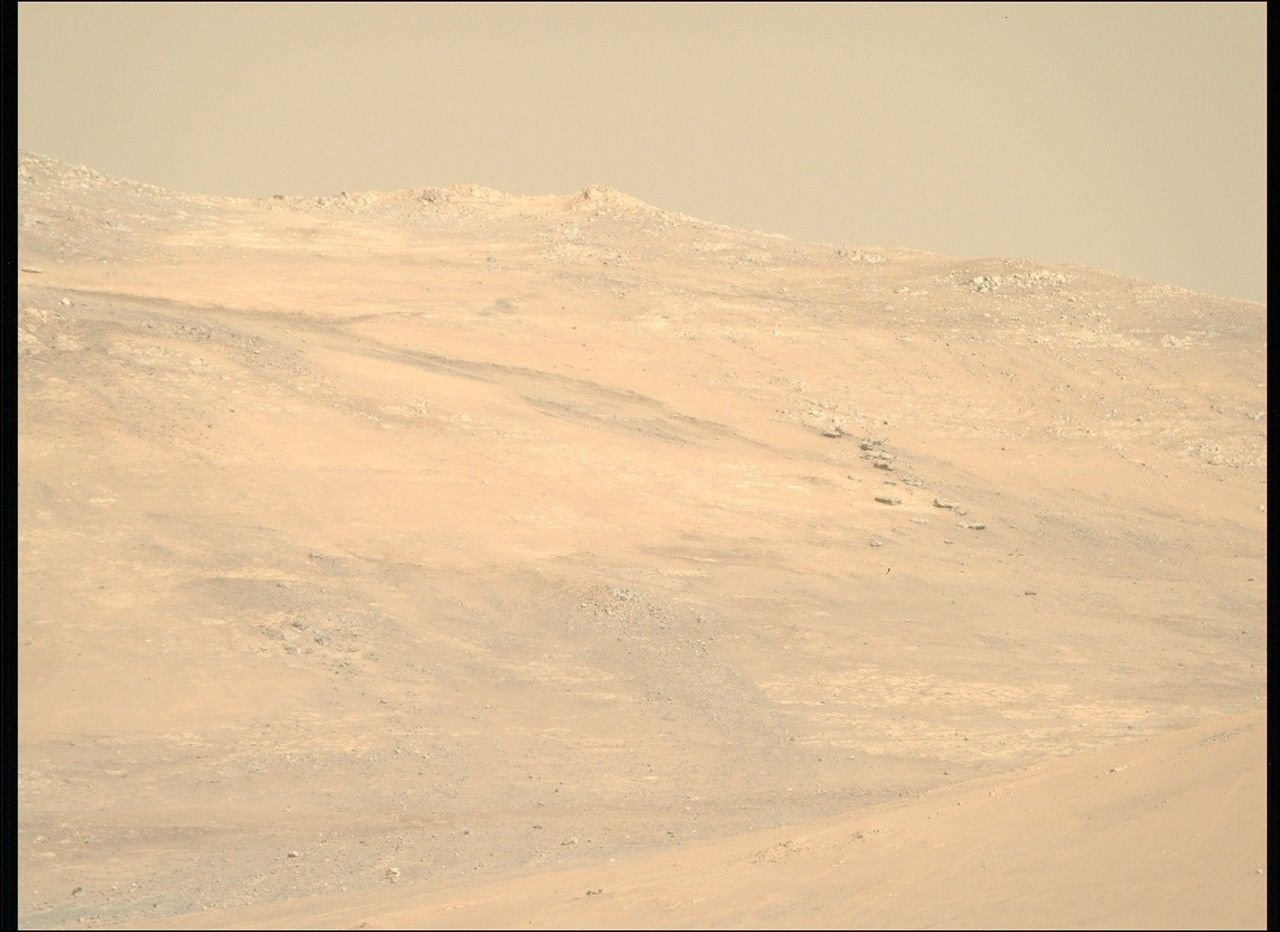
NASA’s Mars 2020 rover is making headlines as it journeys toward new discoveries. After four months of navigating the Jezero crater rim, the rover now explores an area called “Lac de Charmes.” This region holds great potential for uncovering ancient bedrock and impactites, rocks formed by past cosmic collisions.
Impact craters like Jezero are fascinating. They form through three stages: contact and compression at impact, excavation when materials are ejected, and modification caused by gravity’s pull. This rapid process fractures rocks and even melts some materials. Often, Earth’s craters can’t be identified by their shape alone, forcing geologists to rely on the remnants of impactites.
Moreover, Jezero crater is part of an even larger feature, the Isidis basin. This unique setting increases the chance of finding impactites from multiple events, some possibly billions of years old. Recently, the rover team spotted a large potential impactite, nicknamed “Hyha.” Visible even from orbit, this megablock caught the team’s attention as a possible treasure trove of geological history.
The rover’s exploration leads to deeper understanding of Mars, enhancing technology development. Each finding contributes to our grasp of planetary processes, not just on Mars, but also on Earth. These discoveries can inspire innovations in materials science, geology, and planetary exploration technologies.
As the rover continues its mission, scientists remain optimistic. They look forward to advancements in our understanding of both Mars and the broader cosmos, fostering hope for a future rich in scientific achievement. Each rock, each data point, represents a step forward in humanity’s quest for knowledge and progress.
Discover More Technology Insights
Stay informed on the revolutionary breakthroughs in Quantum Computing research.
Explore past and present digital transformations on the Internet Archive.
SciV1
