
Close Menu
    Facebook X (Twitter) Instagram
    Saturday, July 25
    Top Stories:
    • Venus: A Planet in Turmoil
    • Pedal Power: Oli Freke’s Passion for Cycling
    • Warner Bros. Takes Action Against Amazon for Employee Poaching
    Facebook X (Twitter) Instagram Pinterest Vimeo
    IO Tribune
    • Home
    • AI
    • Tech
      • Gadgets
      • Fashion Tech
    • Crypto
    • Smart Cities
      • IOT
    • Science
      • Space
      • Quantum
    • OPED
    IO Tribune
    Home » Unlocking the Atomic Gap: The Key to Next-Gen Computer Chips
    Tech

    Unlocking the Atomic Gap: The Key to Next-Gen Computer Chips

    Lina Johnson MercilliBy Lina Johnson MercilliMay 10, 2026No Comments2 Mins Read
    Share Facebook Twitter Pinterest LinkedIn Tumblr Reddit Telegram Email
    Share
    Facebook Twitter LinkedIn Pinterest Email

    Essential Insights

    1. Researchers explore 2D materials for advances in tiny electronic devices.
    2. Insulating layers create a problematic gap affecting chip performance significantly.
    3. This atomic-scale separation limits further miniaturization of electronic devices.
    4. “Zipper materials” may bond better, potentially solving current semiconductor issues.

    The Promise of 2D Materials

    For decades, the technology sector has thrived on the miniaturization of components. Smaller transistors drive powerful advancements in computing. Researchers now aim to harness 2D materials like graphene and molybdenum disulfide for next-generation computer chips. These ultrathin materials offer the potential to create even tinier and more efficient electronic devices.

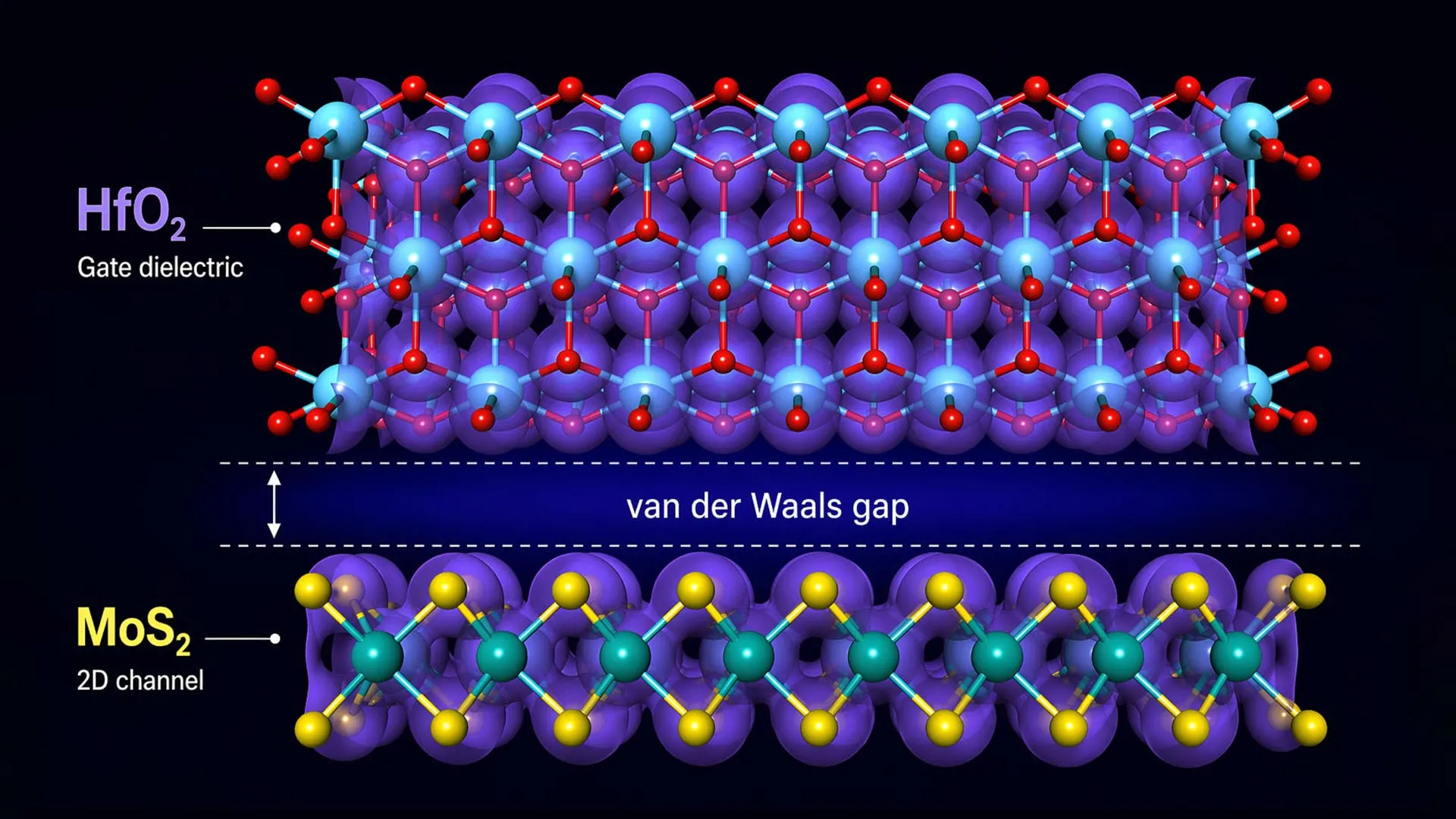
    However, excitement over these materials faces significant challenges. Recent findings from TU Wien reveal that integrating 2D materials with insulating layers poses unexpected problems. A minuscule atomic-scale gap forms between them. Although this space measures just 0.14 nanometers—thinner than a single sulfur atom—it influences electronic performance considerably. This gap weakens capacitive coupling, creating a barrier to effective miniaturization. As a result, researchers must scrutinize layer interactions, not just the intrinsic properties of 2D materials.

    Rethinking Semiconductor Design

    The semiconductor industry must pivot its focus. It can no longer treat 2D materials and insulating layers as separate entities. The creation of “zipper materials” represents a promising avenue. These materials bond strongly, eliminating the problematic gap. By designing both layers together from the outset, manufacturers could overcome the limitations presented by traditional insulating materials.

    The stakes are high. Investing billions into 2D materials without considering their real-world applications risks wasted resources. The industry must recognize that technology adoption is not solely about exciting new materials. Practicality and functionality must drive innovation. Understanding the atomic relationships between layers will dictate the next chapter in chip design and ensure sustainable technological growth.

    Discover More Technology Insights

    Explore the future of technology with our detailed insights on Artificial Intelligence.

    Discover archived knowledge and digital history on the Internet Archive.

    TechV1

    Innovation Management Tech technology VT1
    Share. Facebook Twitter Pinterest LinkedIn Tumblr Email
    Previous ArticleReal-Time Sliding Windows with Python Deque
    Next Article Aptiv, Comau Innovate Next-Gen Robotics and Logistics
    Avatar photo
    Lina Johnson Mercilli
    • Website

    Lina Johnson Marcelli is the editor for IO Tribune, bringing over two decades of experience in journalism to her role. With a BA in Journalism, she is passionate about delivering impactful stories that resonate with readers. Known for her keen editorial vision and leadership, Lina is dedicated to fostering innovative storytelling across the publication. Outside of work, she enjoys exploring new media trends and mentoring aspiring journalists.

    Related Posts

    AI

    SkillSpector: From Checkmarks to True Security

    July 25, 2026
    Gadgets

    Why Switching from Android to iPhone Might Hurt

    July 25, 2026
    Tech

    Venus: A Planet in Turmoil

    July 25, 2026
    Add A Comment

    Comments are closed.

    Must Read

    SkillSpector: From Checkmarks to True Security

    July 25, 2026

    Why Switching from Android to iPhone Might Hurt

    July 25, 2026

    Venus: A Planet in Turmoil

    July 25, 2026

    Pedal Power: Oli Freke’s Passion for Cycling

    July 25, 2026

    Optimizing Vector Search: RAM vs. Disk Indexes

    July 25, 2026
    Categories
    • AI
    • Crypto
    • Fashion Tech
    • Gadgets
    • IOT
    • OPED
    • Quantum
    • Science
    • Smart Cities
    • Space
    • Tech
    Most Popular

    Self-Healing Neural Networks in PyTorch: Fix Model Drift Instantly!

    March 29, 2026

    iPhone 17E, 17, Air, Pro & Max: The Ultimate Lineup Comparison

    April 7, 2026

    DeFiLlama Co-Founder Unveils 3 Solutions to Heal $293M KelpDAO Hack Damage

    April 20, 2026
    Our Picks

    Spotting Translation Errors Through Attention Clues

    April 10, 2026

    From Day 1 to Day 2: Building IoT Fleets That Stay Connected, Optimized, and Secure

    March 20, 2026

    Driverless Drum Roller: The Future of Construction Awaits!

    April 22, 2026
    Categories
    • AI
    • Crypto
    • Fashion Tech
    • Gadgets
    • IOT
    • OPED
    • Quantum
    • Science
    • Smart Cities
    • Space
    • Tech
    • Privacy Policy
    • Disclaimer
    • Terms and Conditions
    • About Us
    • Contact us
    Copyright © 2025 Iotribune.comAll Rights Reserved.

    Type above and press Enter to search. Press Esc to cancel.