

Essential Insights
- Human evolution linked to brain size increase and prenatal estrogen exposure.
- The 2D:4D finger ratio indicates hormonal balance during fetal development.
- Study found boys with higher ratios had larger head circumferences.
- Findings suggest evolutionary trade-offs between larger brains and male health issues.
The 2D:4D Ratio: A Link to Evolutionary Secrets
Human evolution often points to the remarkable growth of our brains. This growth shaped our abilities and our societies. New research hints that prenatal estrogen levels might have played a critical role in this evolution. More specifically, studies led by Professor John Manning reveal intriguing connections between finger length and brain size.
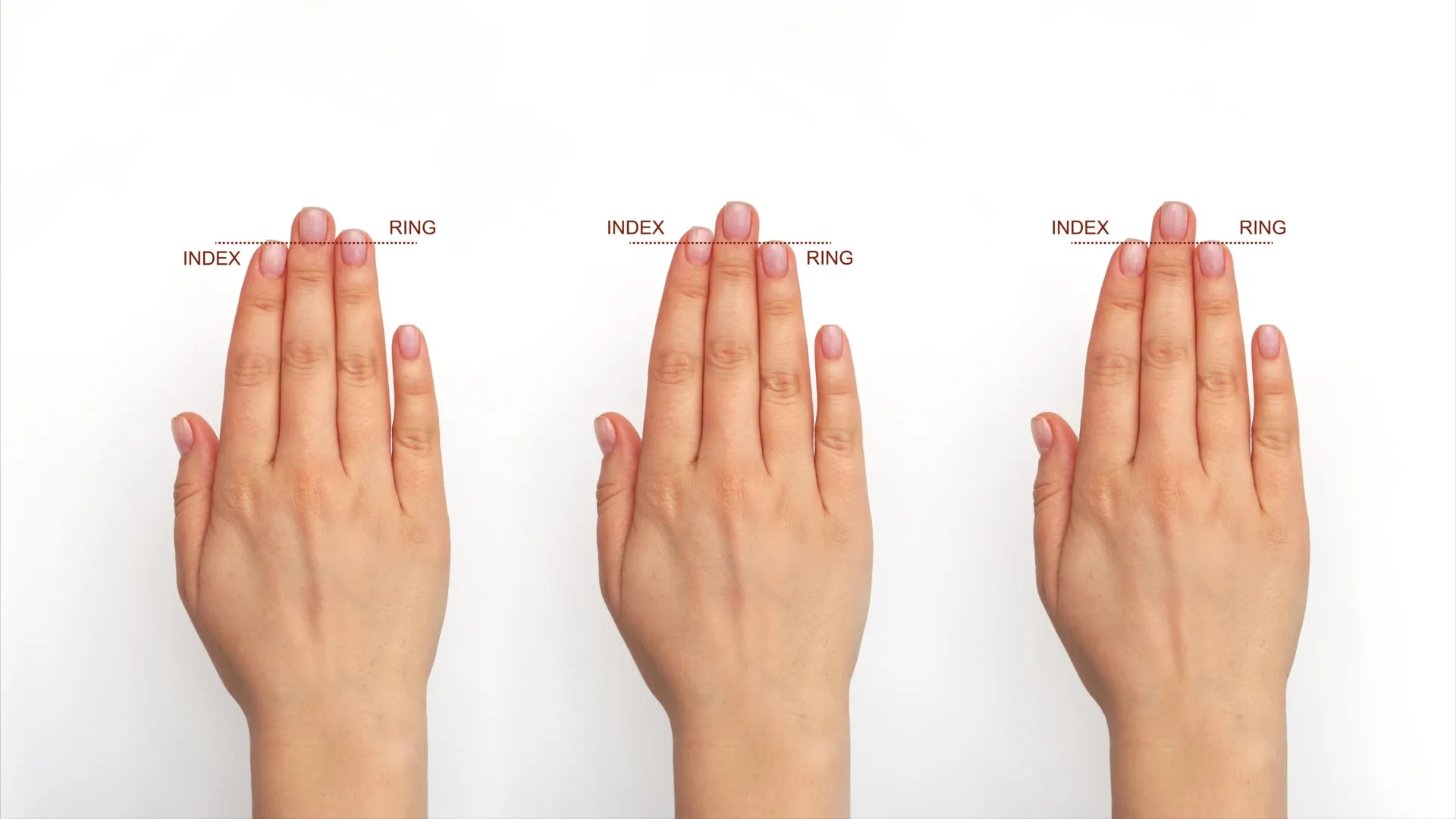
The 2D:4D ratio compares the length of the index finger (2D) to that of the ring finger (4D). Research indicates that a higher 2D:4D ratio signals greater exposure to estrogen during fetal development. Manning and his team examined 225 newborns, measuring their 2D:4D ratios and head circumferences. The findings show that boys with higher ratios tend to have larger head sizes, which can indicate bigger brains. For girls, no such connection appears.
This pattern raises questions about our evolutionary path. The estrogenized ape hypothesis suggests that changes in hormone exposure led to both larger brains and a feminized skeletal structure. As our brains grew, our bodies became less robust, reflecting a shift toward traits associated with femininity. While this may carry potential downsides for male health, such as heart issues and infertility, the evolutionary benefits of a larger brain may outweigh these risks.
Trade-Offs in Evolution: Hormones and Human Development
The association between hormone exposure and brain evolution suggests a complicated balance of trade-offs. While larger brains may provide cognitive advantages, they also come at biological costs, particularly for males. Higher levels of estrogen may correlate with health challenges later in life, yet these hormonal changes appear linked to the very traits that make us uniquely human.
Researchers emphasize that the digit ratio serves as a potential marker of prenatal hormonal influence. This exploration adds depth to our understanding of human development. Although finger length does not directly dictate brain size, it complicates the narrative of human evolution.
As scientists uncover these links, they open doors to further studies on the impacts of prenatal hormones. Manning’s previous research also delves into how digit ratio affects various other health outcomes. As we examine the intricacies of brain evolution, our fingers may serve as more than mere appendages—they might hold secrets to our past, shaping how we understand ourselves and our evolutionary journey.
Stay Ahead with the Latest Tech Trends
Learn how the Internet of Things (IoT) is transforming everyday life.
Access comprehensive resources on technology by visiting Wikipedia.
TechV1
