

Fast Facts
- Wearable devices pose significant privacy and security risks, according to research.
- Physical dangers include potential harm like burns from hacked smart jackets.
- Psychological risks involve stress and unwanted experiences for users and bystanders.
- Design guidelines suggest minimizing data collection and enhancing transparency and security.
The Rising Threat of Wearable Technology
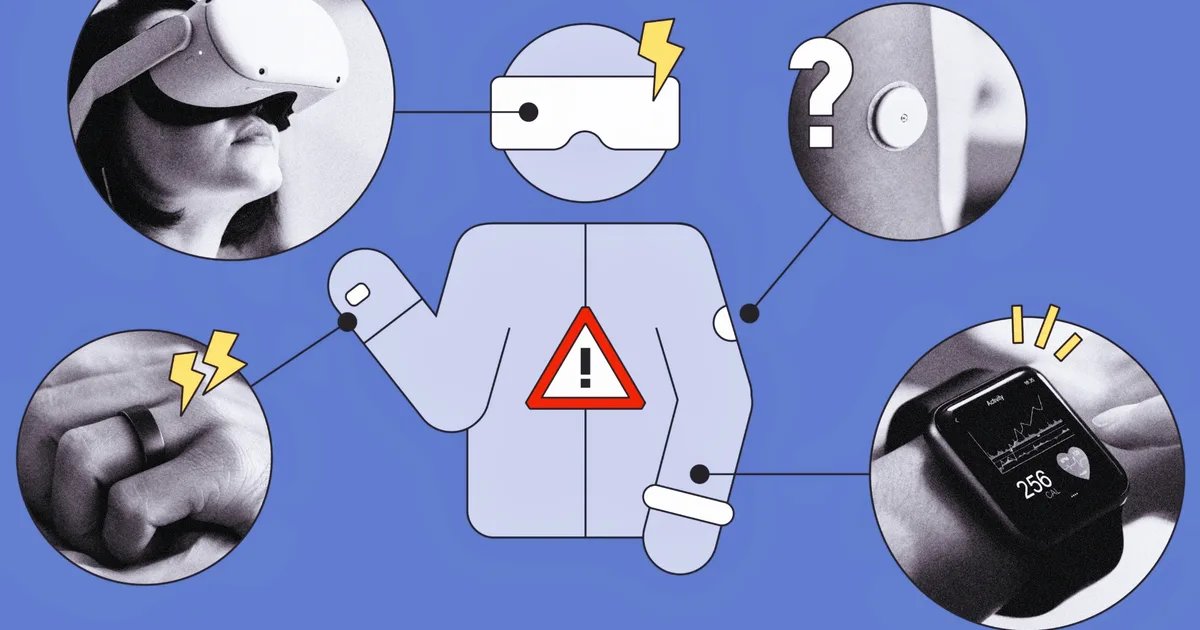
Wearable technology promises to enhance our lives. Smartwatches track health metrics, while smart glasses offer augmented experiences. But these benefits come with serious risks. Recent research highlights vulnerabilities that extend beyond mere privacy concerns. Hackers could take control of these devices, presenting alarming scenarios.
The idea of “ransomware for the body” feels chilling. Imagine a hacker gaining access to your smartwatch. They could track your health data, manipulate your devices, or even cause physical harm. A smart jacket, designed to keep you warm, could potentially be hacked to cause burns. This isn’t just anxiety-inducing; it’s a reality we need to confront.
Navigating the Path Forward
The research also raises psychological risks. Devices designed to monitor our well-being could manipulate users, causing stress or unwanted experiences. Moreover, wearables don’t only capture data from their owners. They can also track bystanders without consent, violating their privacy.
Experts recommend designing safer wearables today. Recommendations include limiting data collection and increasing transparency to users. Stronger security measures must integrate into both hardware and software. Industry leaders should embrace these guidelines to create a safer future for wearable technology. As wearables evolve, prioritizing safety will be crucial before they become indispensable tools in our daily lives.
Expand Your Tech Knowledge
Dive deeper into the world of Cryptocurrency and its impact on global finance.
Explore past and present digital transformations on the Internet Archive.
TechV1
