

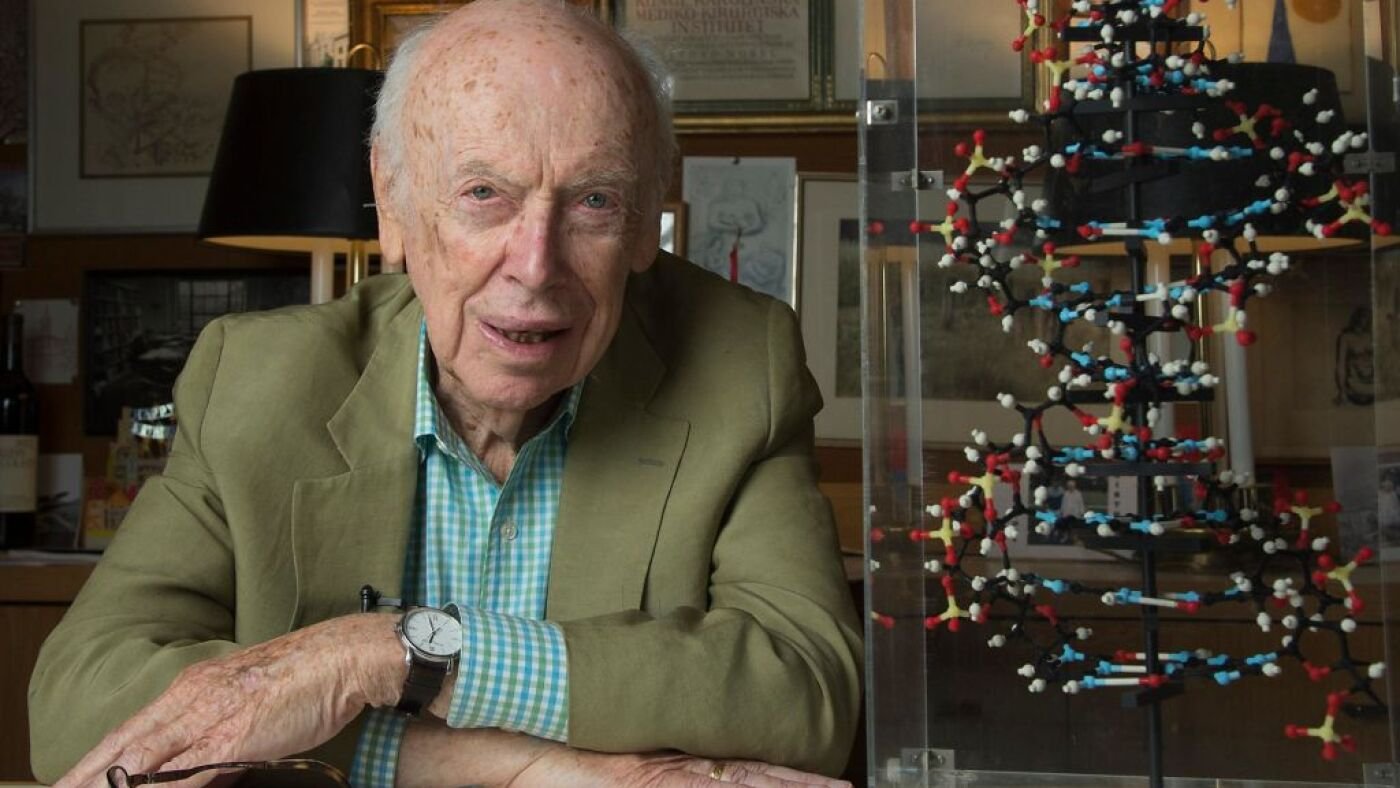
Quick Takeaways
-
Scientific Legacy and Fall from Grace: Dr. James Watson, co-discoverer of the DNA double helix, significantly advanced molecular biology but faced a tarnished legacy due to racially and sexist remarks, leading to Cold Spring Harbor Laboratory cutting ties with him in 2019.
-
Pioneering DNA Structure: Watson, alongside Francis Crick, revolutionized our understanding of genetics by determining the structure of DNA in 1953, which is considered a monumental moment in science, akin to Darwin’s theory of evolution.
-
Controversial Depiction of Colleagues: In his book “The Double Helix,” Watson’s portrayal of Rosalind Franklin and others drew criticism for being sexist and misleading, shaping public perceptions unfavorably against key contributors to the DNA discovery.
-
Complex Personal Beliefs: Despite his scientific achievements, Watson’s strong belief in genetic determinism led him to make unsubstantiated claims about race and intelligence, which ultimately alienated him from the scientific community, overshadowing his groundbreaking work.
Pioneering DNA Scientist James Watson Dies at 97
James Watson, the co-discoverer of DNA’s double helix structure, passed away this week at the age of 97. His groundbreaking work with Francis Crick revolutionized biology, making DNA synonymous with genetics. This discovery revealed how traits pass from one generation to the next, fundamentally changing our understanding of life.
Watson’s career began at an early age when his fascination with nature led him to study zoology at the University of Chicago. By 1953, he and Crick had pieced together critical findings, aided by Rosalind Franklin’s research. Their model of DNA was not just a scientific breakthrough; it symbolized a new era in biological research.
However, Watson’s legacy is complex. While he celebrated as a scientific icon, his controversial remarks in later years marred his reputation. Critics have harshly condemned his statements on race and intelligence. These views led institutions, including Cold Spring Harbor Laboratory, to sever ties with him in 2019.
Despite his fall from grace, Watson’s influence on technology and medicine remains significant. The Human Genome Project, which he directed, has paved the way for advances in genetics, impacting fields like biotechnology and personalized medicine. Understanding DNA has led to breakthroughs in disease treatment and diagnosis, improving countless lives.
Watson’s dual legacy reminds us of the broader implications of scientific discovery. While breakthroughs can propel society forward, the perspectives of those behind the science can significantly shape the course of progress. Watson’s story challenges future generations to balance innovation with ethical responsibility.
Stay Ahead with the Latest Tech Trends
Learn how the Internet of Things (IoT) is transforming everyday life.
Access comprehensive resources on technology by visiting Wikipedia.
SciV1
