

Summary Points
-
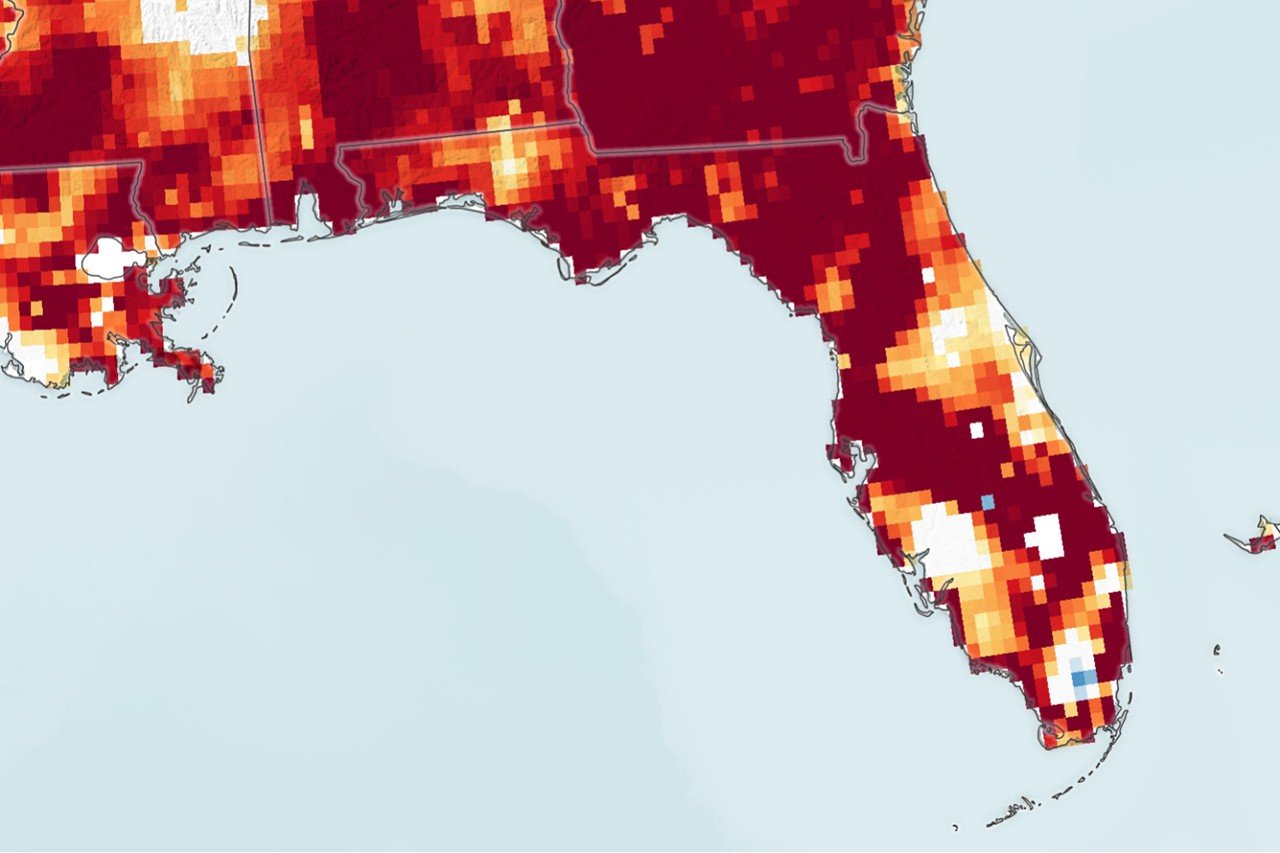
Widespread Drought: As of April 2026, nearly all of Florida faces “moderate” drought, with about 80% under “extreme” conditions, marking the state’s most severe drought since 2012.
-
Groundwater Depletion: Satellite data reveals dramatic declines in underground water supplies, particularly in northern and central Florida, with many areas receiving less than half their normal rainfall since September 2025.
-
Economic Impact: Crop damage from dry conditions and recent freezes, alongside water use restrictions, threaten Florida’s agricultural sector and contribute to escalating wildland fire risks.
-
Forecast for Relief: A slow-moving rainstorm is anticipated to bring some much-needed relief to drought-stricken areas in Florida, although historical droughts were more intense and widespread.
Drought Parches Florida: NASA Science Insights
Florida, typically one of the wettest states, now faces a significant drought. As of April 2026, nearly all regions encounter at least “moderate” drought conditions. In fact, almost 80 percent of the state experiences “extreme” drought. This intense dry spell began in January 2026, after unusually dry conditions persisted throughout 2025.
NASA, along with the German Research Center for Geosciences, highlights the impact of the drought through data from its GRACE-FO satellites. This technology examines underground water supplies, crucial for both drinking and agriculture. The latest findings reveal that aquifers in northern and central Florida are particularly affected, displaying concerning dry levels.
As a result, residents observe the effects daily. Many water districts have implemented strict regulations on water use, including restrictions on lawn watering and car washes. Furthermore, the dry weather jeopardizes crops, especially those already hurt by severe freezes in February. Wildfires also threaten many areas, and even vital ecosystems like the Everglades face an alarming lack of moisture.
According to the U.S. Drought Monitor, this situation represents the most widespread drought since 2012. Many areas have received less than half their normal rainfall since September 1, 2025. For instance, St. Petersburg recorded only 7.7 inches of rain during this period, significantly below the average of 19.0 inches.
However, the current drought falls short of the devastating 2000–2001 drought, which was more severe and prolonged. The ongoing analysis from GRACE-FO aids forecasters in assessing the drought’s intensity and duration. Fortunately, meteorologists predict a slow-moving rainstorm could arrive soon, offering much-needed relief.
The intersection of technology and environmental science plays a critical role in understanding these phenomena. As satellites gather data, researchers gain valuable insights into groundwater levels, influencing management strategies across the state. Ultimately, advancements in scientific technology not only improve our understanding but also enhance proactive measures for water conservation and distribution.
This ongoing drought presents challenges but also drives innovation. Scientists and policymakers work together to ensure a sustainable water future in Florida. As the state adapts, communities remain hopeful for better weather patterns ahead.
Stay Ahead with the Latest Tech Trends
Learn how the Internet of Things (IoT) is transforming everyday life.
Access comprehensive resources on technology by visiting Wikipedia.
SciV1
