

Fast Facts
- Red leaf lettuce’s color comes from anthocyanins with antioxidant properties.
- Researchers disabled a gene to stop anthocyanin production, changing pigmentation.
- Altering anthocyanin production increased other flavonoids, such as quercetin.
- Modified lettuce maintained growth, suggesting potential for customized health benefits.
Transforming Pigment: The Science Behind the Shift
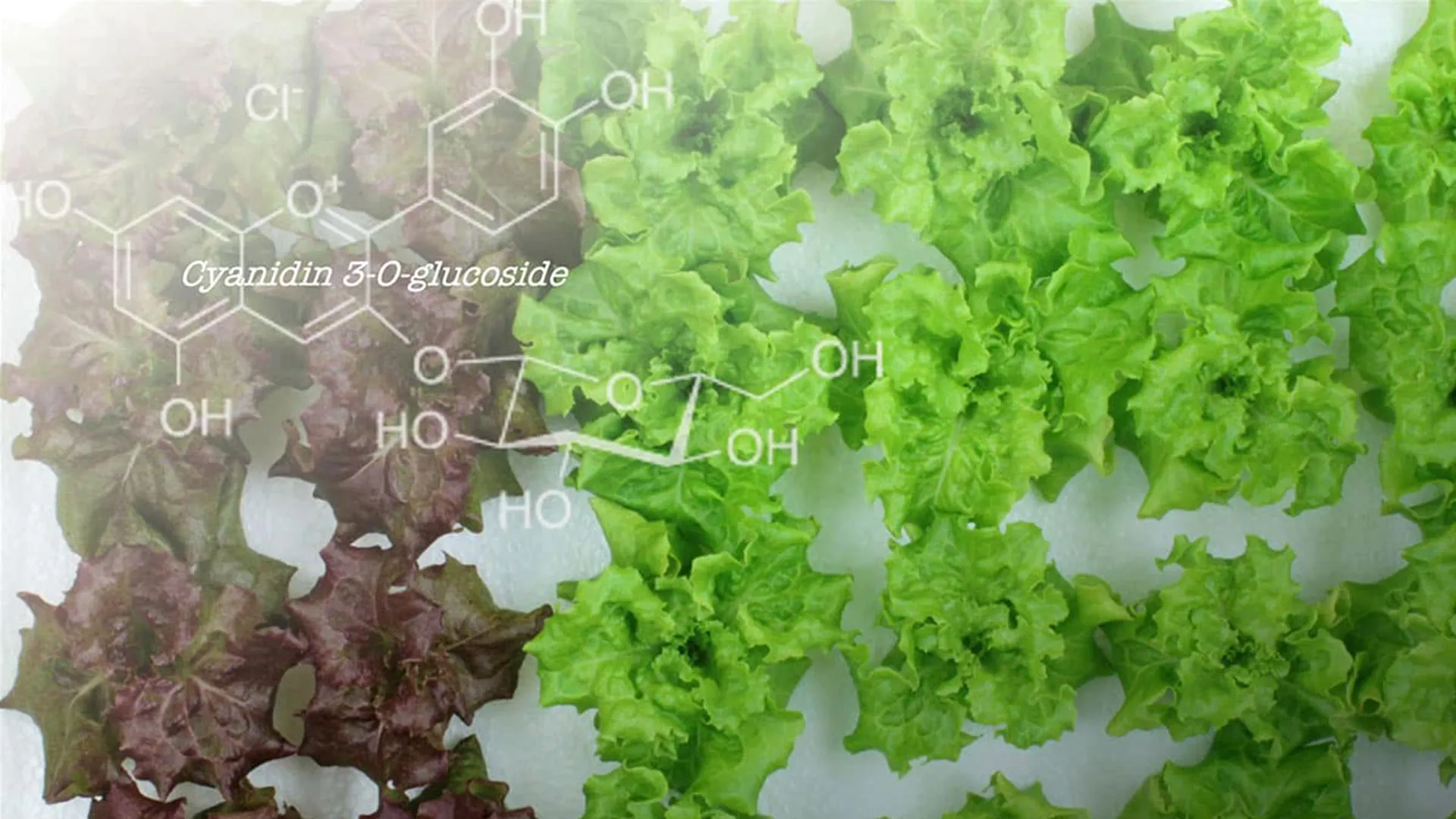
Scientists recently altered red lettuce to become green by using genome editing techniques. They disrupted the gene responsible for producing dihydroflavonol 4-reductase, an important enzyme on the path to creating anthocyanins. Red lettuce gains its hue from these anthocyanins, a family of pigments known for their antioxidant properties. By turning off this gene, researchers successfully prevented the synthesis of anthocyanins, resulting in a surprising transformation: the lettuce turned green.
However, this shift in color came with an unexpected benefit. The modified lettuce began to produce higher levels of other flavonoids, like quercetin. This compound has been linked to various health benefits, including anti-inflammatory and anti-cancer properties. The research indicates that blocking anthocyanin production redirected the plant’s biochemical pathways toward accumulating these alternative beneficial compounds. Even without anthocyanins, the modified lettuce showed no decrease in growth or productivity, promising a way to enhance nutritional content without compromising yield.
Implications for Future Agriculture
This research offers exciting possibilities for agriculture, especially in indoor farming. Growers can manipulate environmental factors like light and temperature, optimizing conditions for these specialized lettuce varieties. This flexibility allows for the production of lettuce tailored for specific health benefits. The potential exists to develop lettuce with customized functional components that can meet consumer demands for health and nutrition.
While these findings are promising, they also raise questions about the practicality and acceptance of genetically edited crops. Farmers and consumers often express concerns about modifying natural organisms, fearing unforeseen consequences. Striking a balance between innovation and safety remains crucial. Researchers must communicate clearly about the risks and benefits of such technologies to foster trust and acceptance among the public. Agriculture stands on the brink of a new revolution, with genome editing paving the way for smarter, healthier food options.
Continue Your Tech Journey
Dive deeper into the world of Cryptocurrency and its impact on global finance.
Explore past and present digital transformations on the Internet Archive.
TechV1
