

Quick Takeaways
- Mlink’s IoT-NTN chipset begins live testing with Iridium’s satellite network.
- Iridium NTN Direct extends global, low-power IoT connectivity beyond terrestrial limits.
- Certification and product launch expected by the end of 2026.
- Iridium’s satellite network enables reliable, worldwide IoT access using 3GPP standards.
Progress in Global Connectivity
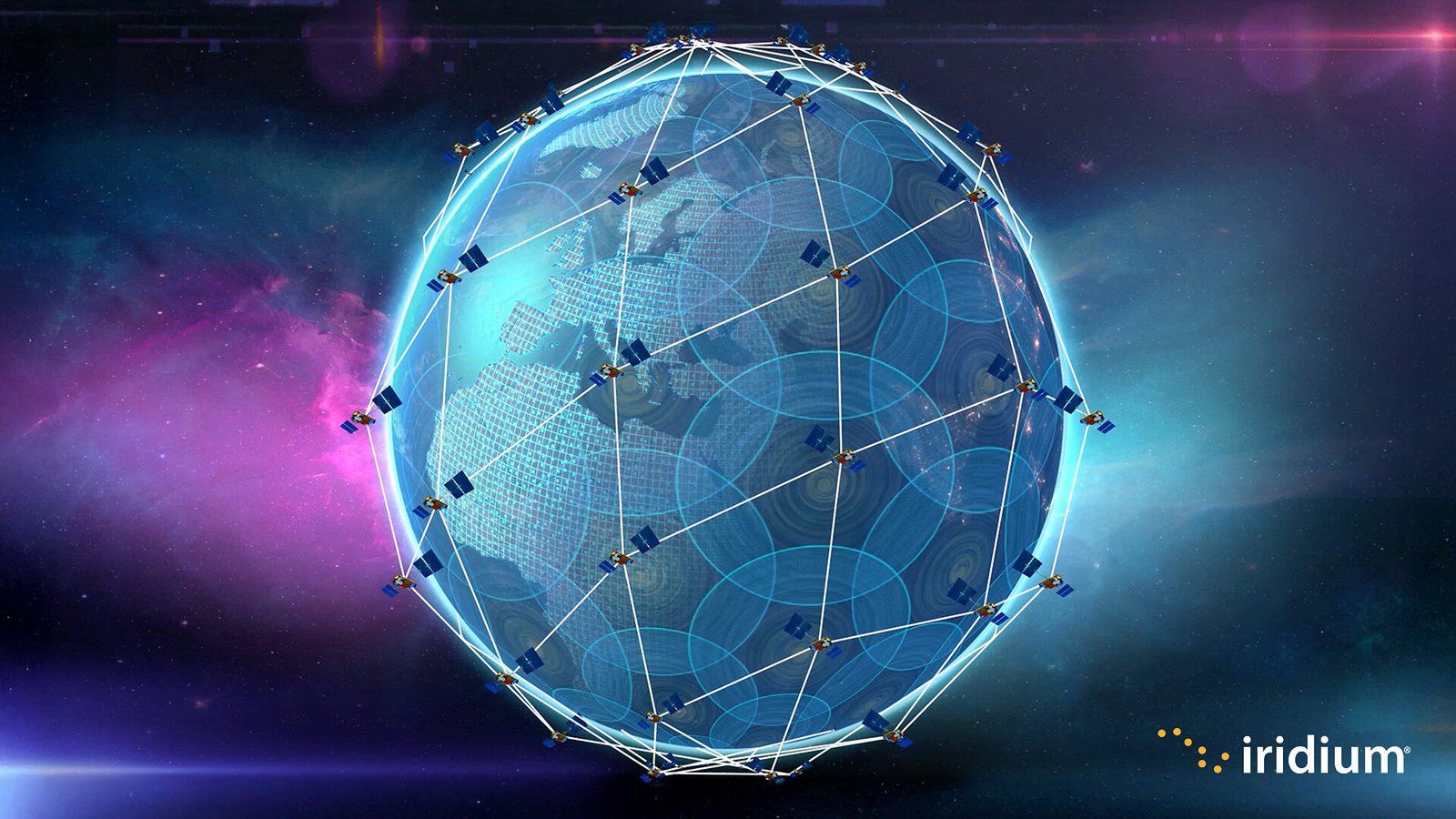
Iridium Communications has announced a major step forward in satellite technology. They are testing Mlink Technology’s new IoT chipset live on the Iridium network. This move is part of Iridium’s effort to expand satellite coverage for everyday devices. The goal is to bring reliable internet even in remote areas where traditional networks don’t reach. As testing continues, the industry looks forward to broader availability by 2026, promising better connectivity worldwide.
Enhancing Scientific and Commercial Advancements
The live testing of the MS150-IR chipset shows how close we are to new scientific possibilities. This technology allows devices to communicate via satellites with low latency and high reliability. It supports industries like agriculture, logistics, and industrial monitoring. These advances could lead to smarter farming, safer transportation, and better resource management. Mlink’s progress also demonstrates the growing role of standards-based satellite networks in scientific research and innovation.
Impact on Daily Life and Future Possibilities
On a personal level, this development will improve how people and companies stay connected. It benefits those in rural areas or working in difficult environments. Satellite-enabled IoT devices can track assets, monitor utilities, or assist with disaster response. This means safer, more efficient services and greater resilience against network failures. Over time, it could help make the connected world more inclusive, reliable, and ready for future challenges.
Stay Ahead with the Latest Tech Trends
Stay informed on the revolutionary breakthroughs in Quantum Computing research.
Stay inspired by the latest discoveries from NASA.
IoTV1
