

Quick Takeaways
-
Accelerated Transformation: The Arctic is warming over twice as fast as the global average, with unprecedented weather patterns leading to shorter snow seasons, extreme precipitation, and accelerated sea ice melt.
-
Record High Temperatures: October 2024 through September 2025 recorded the highest Arctic air temperatures in 125 years, resulting in significant impacts on ecosystems and communities.
-
Ecosystem Disruption: Thawing permafrost and warmer waters are causing shifts in ecosystems, with Arctic species declining as non-Arctic species move in, affecting biodiversity and food security.
-
Local Community Resilience: Indigenous communities are taking action through monitoring networks to address the rapid changes and support local resilience against the effects of climate change and pollution.
Arctic Report Card 2025 Reveals Rapid Transformation
The 2025 Arctic Report Card highlights startling changes in this vital region. Notably, temperatures rose to the highest levels recorded since 1899. Specifically, this includes the warmest autumn on record. As a result, the Arctic warms more than twice the global average.
Innovations in technology contribute to our understanding of these changes. Scientists now utilize satellite imagery to track shifts in ice levels and vegetation. Such tools allow for real-time monitoring, enhancing our ability to respond to these dramatic changes.
Moreover, warming impacts the water cycle significantly. Increased evaporation and precipitation result in more extreme weather events. For instance, Arctic regions experienced record-high precipitation throughout the year. Consequently, rivers are changing, affecting local ecosystems and communities.
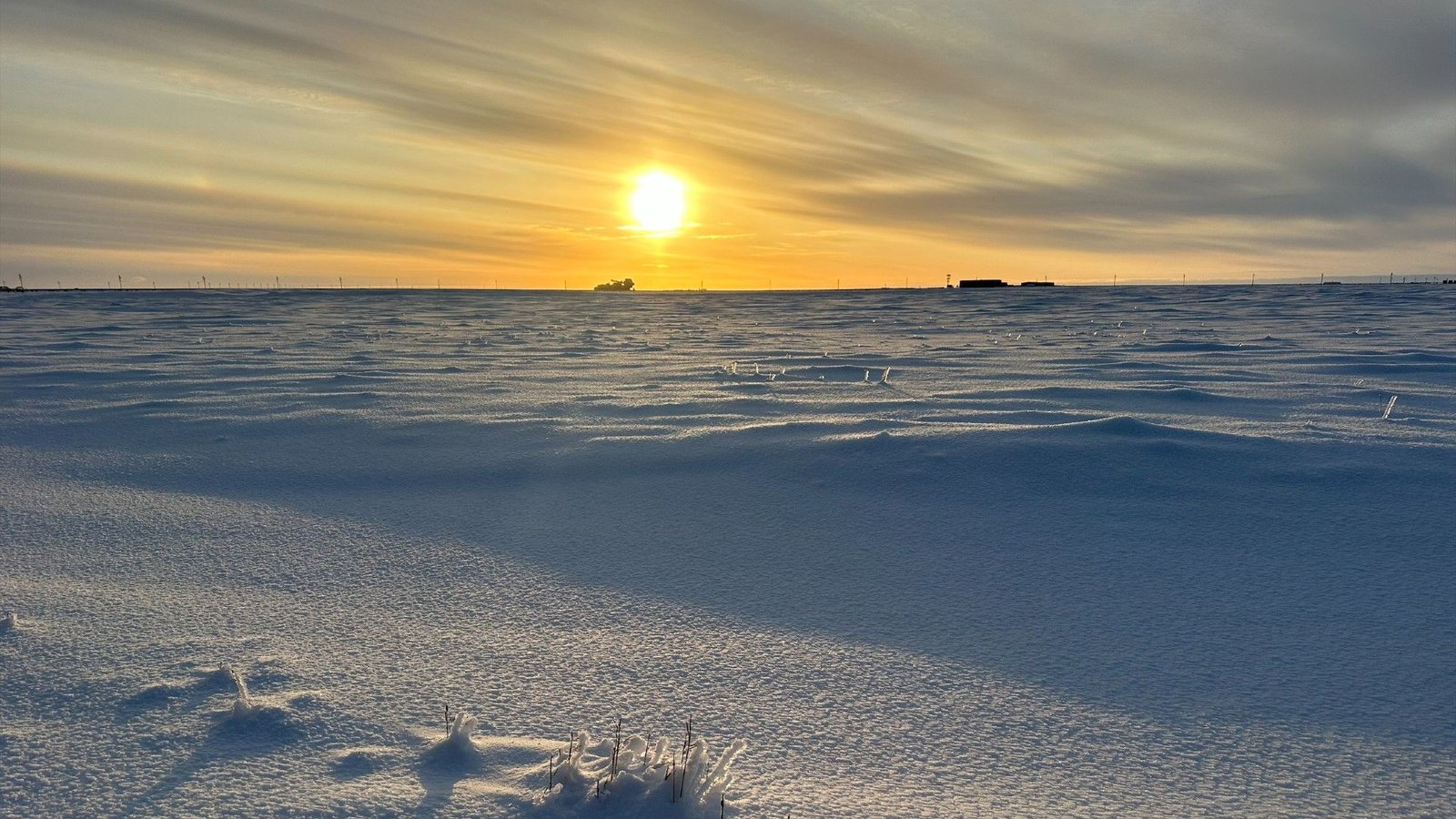
Snow cover also undergoes rapid transformation. Although snowpack levels seemed promising in winter, spring melting shrank overall coverage substantially. This pattern threatens to disrupt local habitats and exacerbate warming.
Amid these shifts, communities adapt through innovation. Indigenous groups, for example, implement unique monitoring systems. These systems draw on both traditional knowledge and scientific methods to gauge environmental health. Their proactive approach serves as a model for resilience.
One alarming effect of permafrost thaw is the emergence of rusting rivers. These waters now show discoloration due to increased iron levels, posing risks to wildlife and drinking supplies. This development underscores the urgency for technological advancements in water monitoring and treatment.
Furthermore, Arctic warming encourages the migration of species. Marine life typically found in warmer waters now shifts northward, disrupting local ecosystems. This phenomenon reveals the need for adaptive management strategies to protect biodiversity.
The Arctic remains a focal point for understanding climate change. Its rapid transformation impacts global sea levels, weather patterns, and biodiversity. Thus, continued research and technology development will play critical roles in addressing these challenges. By fostering innovation, we can improve quality of life for those directly affected by these changes.
As the Arctic alters, society must remain vigilant and proactive, embracing solutions that promote sustainability and resilience. As we navigate these unprecedented challenges, the lessons learned here may illuminate a path toward a more sustainable future for all.
Expand Your Tech Knowledge
Dive deeper into the world of Cryptocurrency and its impact on global finance.
Access comprehensive resources on technology by visiting Wikipedia.
SciV1
