
Close Menu
    Facebook X (Twitter) Instagram
    Saturday, November 7
    Top Stories:
    • China’s AI Chipmakers Turn Profitable: Can the Momentum Last?
    • Major Trial Challenges Who Needs Statins
    • Hua Hong Bets Big on Silicon Photonics for AI Boom
    Facebook X (Twitter) Instagram Pinterest Vimeo
    IO Tribune
    • Home
    • AI
    • Tech
      • Gadgets
      • Fashion Tech
    • Crypto
    • Smart Cities
      • IOT
    • Science
      • Space
      • Quantum
    • OPED
    IO Tribune
    Home » Unveiling the Hidden Link: Mitochondrial DNA Damage and Disease Connection
    Tech

    Unveiling the Hidden Link: Mitochondrial DNA Damage and Disease Connection

    Lina Johnson MercilliBy Lina Johnson MercilliNovember 29, 2025No Comments3 Mins Read
    Share Facebook Twitter Pinterest LinkedIn Tumblr Reddit Telegram Email
    Share
    Facebook Twitter LinkedIn Pinterest Email

    Top Highlights

    1. New DNA Damage Discovery: Researchers at UC Riverside found a specific type of DNA damage in mitochondrial DNA (mtDNA) involving glutathionylated DNA (GSH-DNA) adducts, which may clarify how the body detects and responds to stress.

    2. Extreme Vulnerability: MtDNA is significantly more susceptible to damage, accumulating GSH-DNA adducts at levels up to 80 times higher than nuclear DNA, highlighting its precarious state and limited repair mechanisms.

    3. Functional Disruption: Accumulation of GSH-DNA adducts impairs normal mitochondrial activity, diminishing energy production proteins while increasing stress response proteins, indicating the cell’s attempts to manage the damage.

    4. Implications for Disease: The study suggests that damaged mtDNA could trigger immune responses and inflammation, linking mitochondrial dysfunction to diseases like cancer and diabetes, and opening new research avenues in understanding these connections.

    Mitochondrial DNA: An Overlooked Key in Disease Research

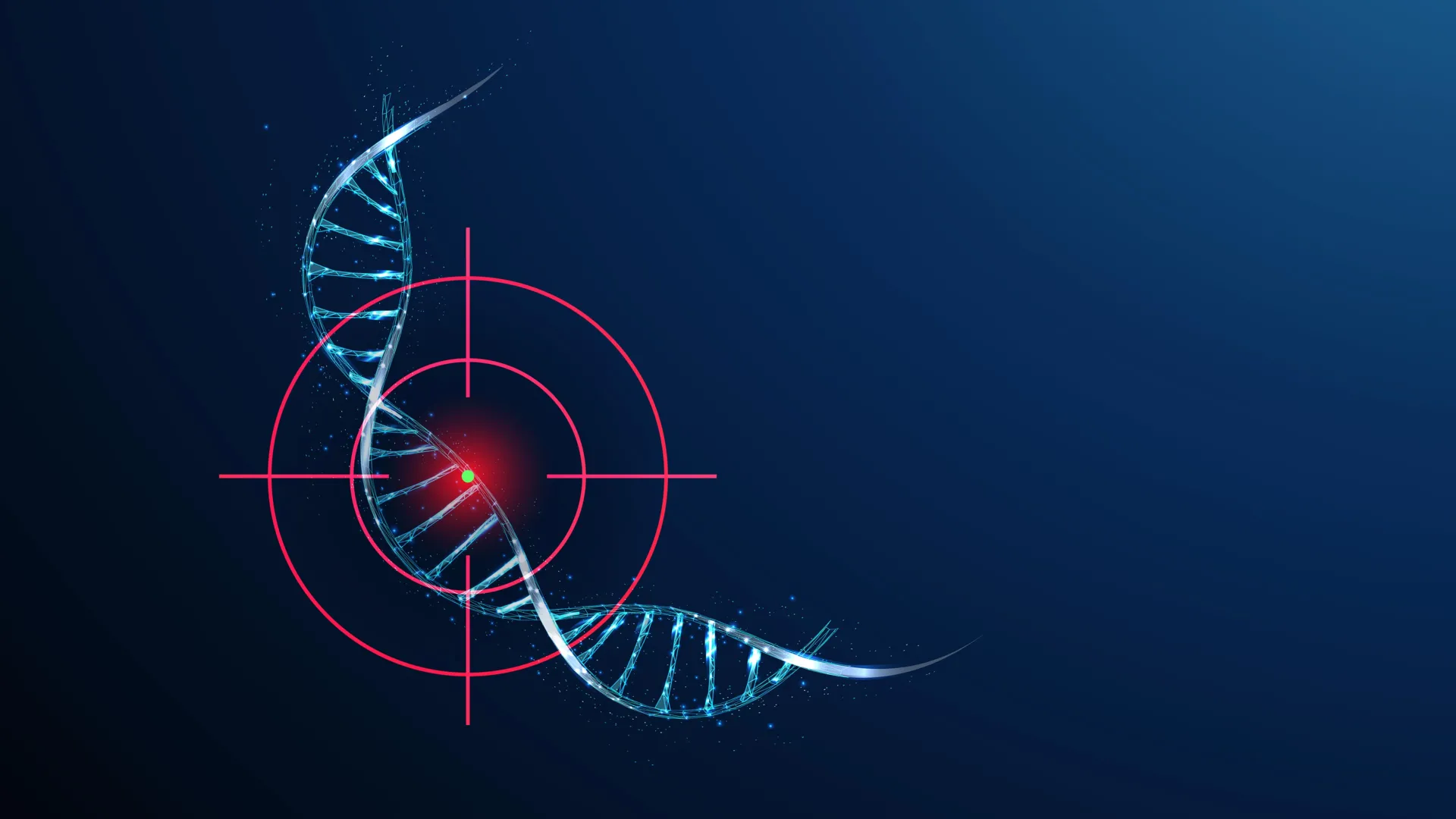
    Recent research reveals that hidden damage to mitochondrial DNA (mtDNA) may lie at the heart of many diseases, including cancer and diabetes. Mitochondria, the energy-supplying structures in our cells, harbor their own genetic material. This mtDNA is crucial for cellular energy production and cell signaling. However, scientists discover that it is particularly vulnerable to damage. A specific type of injury, known as glutathionylated DNA (GSH-DNA) adducts, creates a sticky barrier that hampers normal cell function. This discovery underscores the need for a shift in our focus toward mtDNA in biomedical research.

    Mitochondrial DNA damage occurs at staggering rates—up to 80 times higher than damage found in nuclear DNA. This elevated vulnerability complicates how cells produce energy, leading to an uptick in stress response proteins. The cells’ repair mechanisms are simply not efficient enough to keep pace. Researchers indicate that, as these harmful adducts accumulate, they alter the structural flexibility of mtDNA. This rigidity could serve as a complex signaling mechanism, alerting the body to the presence of damage. It raises essential questions about how mtDNA functions in stress-related responses and the immune system.

    From Lab to Life: The Broader Implications

    Understanding mtDNA damage offers promising avenues for improving our approach to disease prevention and treatment. Situated at the juncture of energy production and cellular communication, mitochondrial health influences general well-being. When mtDNA experiences stress-related damage, it can trigger immune responses that lead to chronic inflammation. Thus, addressing mtDNA integrity could reveal new strategies for tackling various diseases.

    As scientists delve deeper into this labyrinth of mitochondrial genetics, we may gain insights that extend beyond the laboratory. Practical applications could emerge in healthcare, potentially transforming how we monitor and treat diseases linked to mitochondrial dysfunction. By increasing awareness of mtDNA’s role in stress and immunity, we pave the way for a more holistic understanding of human health. The intricate relationship between cellular energy and stress responses might just be the missing link we need to unlock new therapeutic strategies.

    Expand Your Tech Knowledge

    Explore the future of technology with our detailed insights on Artificial Intelligence.

    Explore past and present digital transformations on the Internet Archive.

    TechV1

    Innovation Management Tech technology VT1
    Share. Facebook Twitter Pinterest LinkedIn Tumblr Email
    Previous Article5 Hassle-Free Ways to Enjoy Ad-Free YouTube
    Next Article Spot Volume Soars to $375B with $35B ETF Boost!
    Avatar photo
    Lina Johnson Mercilli
    • Website

    Lina Johnson Marcelli is the editor for IO Tribune, bringing over two decades of experience in journalism to her role. With a BA in Journalism, she is passionate about delivering impactful stories that resonate with readers. Known for her keen editorial vision and leadership, Lina is dedicated to fostering innovative storytelling across the publication. Outside of work, she enjoys exploring new media trends and mentoring aspiring journalists.

    Related Posts

    AI

    AI Caregiver Apps: Why They May Not Be Enough

    November 7, 2026
    Space

    NASA Reveals X-70 Experimental Aircraft to Advance Flight Research

    November 7, 2026
    AI

    Build a Python AI Agent with Memory & Tools

    November 7, 2026
    Add A Comment

    Comments are closed.

    Must Read

    AI Caregiver Apps: Why They May Not Be Enough

    November 7, 2026

    NASA Reveals X-70 Experimental Aircraft to Advance Flight Research

    November 7, 2026

    Build a Python AI Agent with Memory & Tools

    November 7, 2026

    Realme 17 Pro Leak Reveals Its Place in the Upcoming Lineup

    November 7, 2026

    How to Explain Quantum Science to EveryoneHow to Explain Quantum Science to Everyone

    November 7, 2026
    Categories
    • AI
    • Crypto
    • Fashion Tech
    • Gadgets
    • IOT
    • OPED
    • Quantum
    • Science
    • Smart Cities
    • Space
    • Tech
    Most Popular

    Easily Change Your iPhone Message Backgrounds Now

    September 2, 2026

    Apple’s New CEO Must Unleash a Game-Changing AI Product

    April 24, 2026

    Innovate the Future: Middle School Design Challenge 2026-2027

    September 26, 2026
    Our Picks

    WhatsApp Trials One-Time Disappearing Messages

    June 17, 2026

    Transformative Knit: Fabric That Counts, Switches, and Shifts!

    July 16, 2026

    Bits Recap Jan 9: Pi Network Updates, Ripple Price Targets & More!

    January 9, 2026
    Categories
    • AI
    • Crypto
    • Fashion Tech
    • Gadgets
    • IOT
    • OPED
    • Quantum
    • Science
    • Smart Cities
    • Space
    • Tech
    • Privacy Policy
    • Disclaimer
    • Terms and Conditions
    • About Us
    • Contact us
    Copyright © 2025 Iotribune.comAll Rights Reserved.

    Type above and press Enter to search. Press Esc to cancel.