

Fast Facts
- BYD’s Megawatt Flash Charge technology reached 169.6°F during testing.
- This temperature exceeds China’s safety limit, raising long-term battery concerns.
- High heat stresses the battery’s protective SEI layer, risking degradation.
- Industry competitors are also advancing charging speeds, prioritizing heat management.
Heat Concerns and Battery Longevity
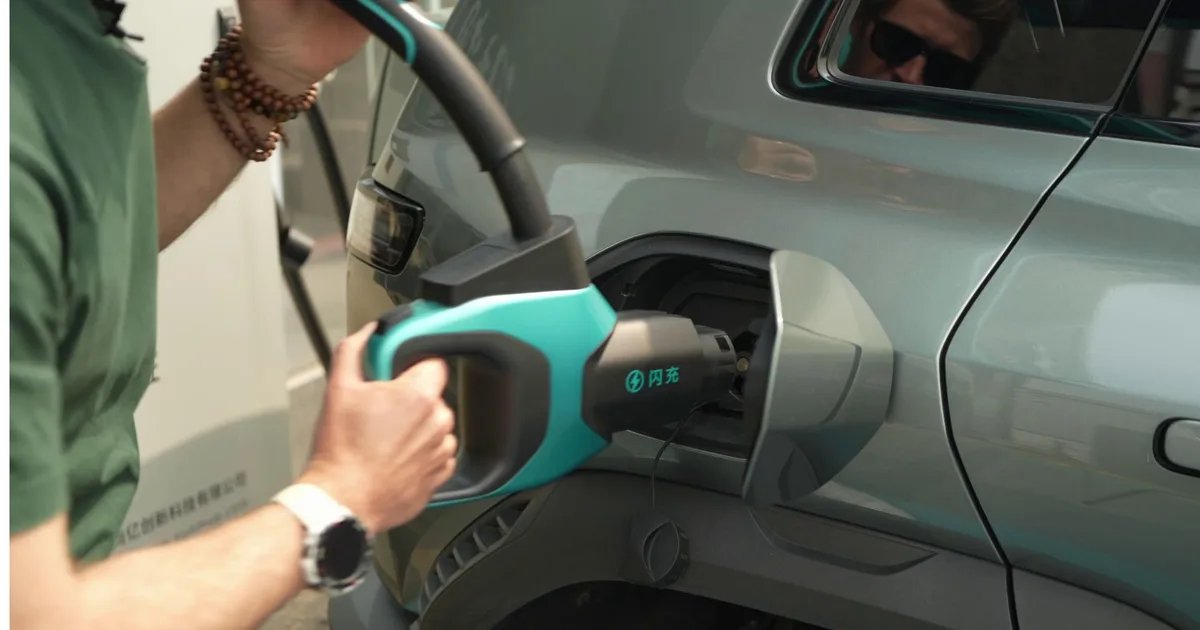
BYD’s Megawatt Flash Charge technology is a breakthrough in electric vehicle (EV) charging. A recent test showcased the battery hitting an alarming 169.6°F during a charging session. This temperature exceeds China’s safety recommendation of 149°F for lithium iron phosphate batteries. Such heat raises significant concerns about the long-term health of these batteries. When EV batteries operate under normal conditions, their temperatures generally remain between 68°F and 86°F. The reported heat crosses into a range that induces stress on the Solid Electrolyte Interphase (SEI) layer, crucial for battery function.
Experts warn that temperatures above 158°F can compromise this protective layer. Continued exposure may lead to accelerated battery wear and potential failures. BYD appears aware of these risks. The company recently introduced a second-generation Blade Battery, which comes with a lifetime warranty. It also claims a 2.5% improvement in capacity retention over its previous models. During a demonstration, BYD even short-circuited four cells for a full day without incident, aiming to showcase the battery’s resilience.
The Future of Fast Charging
While BYD leads the charge with innovative technology, it faces competition. Companies like CATL and Geely are developing battery systems that promise even faster charging speeds. The EV industry is in a race, striving for lightning-fast charging without compromising safety or durability. Manufacturers must prioritize managing heat as aggressively as they pursue rapid charging solutions.
CATL already claims to have addressed this heat management issue with its 5C lithium-ion battery, though mass-market availability remains uncertain. As the appetite for EVs grows, efficient charging without excessive heat should take center stage. The balance between speed and longevity will define the future of battery technology. BYD’s ambitious steps forward highlight the pathway, but achieving sustainable and safe performance remains a pressing challenge.
Stay Ahead with the Latest Tech Trends
Explore the future of technology with our detailed insights on Artificial Intelligence.
Stay inspired by the vast knowledge available on Wikipedia.
TechV1
