

Top Highlights
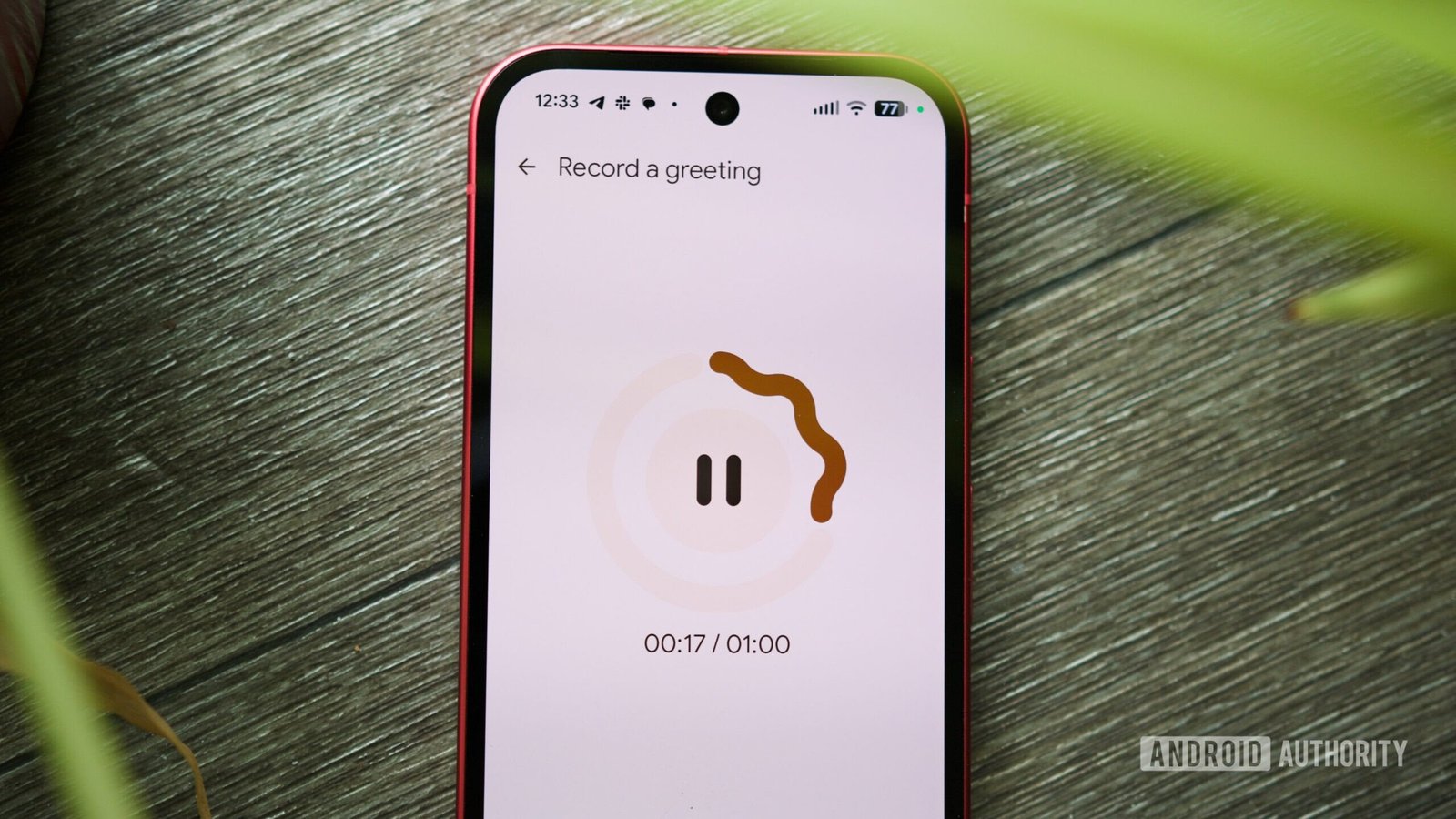
Joe Maring / Android AuthorityTL;DR
1. Google is planning to expand its “Take a Message” voicemail feature from Pixels to a broader range of Android devices, including non-Google phones.
2. The expansion targets numerous new markets across Europe, Asia, and the Americas, with regions like Germany, France, Italy, Japan, and Mexico potentially receiving full transcript support.
3. Code snippets indicate that the feature will include audio-only and transcript functionalities, depending on the market, signaling a significant regional rollout.
4. Although the feature isn’t available on non-Pixel devices yet, internal testing hints at a future release across many mid-range and flagship Android smartphones worldwide.
Google’s “Take a Message” Could Reach More Phones and Countries
Google is planning a big move that could change how millions handle missed calls. Right now, the “Take a Message” feature is only on Pixel devices. However, recent clues suggest it could soon work on other Android phones as well. This means users without Pixel phones might soon enjoy this helpful voicemail feature. Additionally, Google is preparing to expand into more countries. Launching in over 20 new markets across Europe, Asia, and the Americas, it could soon reach a larger audience worldwide. For Android fans, this change could improve how missed calls are handled everywhere.
The expansion isn’t just about more devices; it’s about reaching more people. Currently, Pixel owners in some English-speaking countries get the feature. But new code snippets suggest Google is working to bring “Take a Message” to devices in Germany, France, Italy, Spain, and Japan. This would include full transcription services—showing spoken messages as easy-to-read text. If successful, this could make voicemail more convenient and accessible for many users who prefer reading over listening.
The move shows Google’s commitment to improving voicemail and making it more useful for everyone. By broadening its availability, Google aims to enhance user experience and technology access. Meanwhile, Android fans will appreciate that Google is not limiting innovations to Pixel phones alone. This expansion signals future updates that could improve overall connectivity and communication on many Android devices.
What “Take a Message” Offers and Why It Matters
“Take a Message” builds on the traditional voicemail system, offering smarter features. When a call is missed, the app answers automatically, providing a real-time transcript of the message. This helps users see what was said without listening to an audio clip. Not only that, but it also detects spam calls, filtering out unwanted messages from unknown numbers. These features make managing missed calls easier and less frustrating.
However, until now, the feature has been limited to Pixel phones in select regions. That limitation meant many Android users couldn’t access this time-saving tool. As a result, while Pixel owners enjoyed clearer, more organized voicemail management, others had to rely on basic services. The upcoming expansion could change all that, offering similar benefits across a wider range of devices and countries.
Expanding “Take a Message” provides value in many ways. It helps countries and users improve communication, especially in busy urban areas. It can also benefit people with hearing impairments, who benefit from reading transcripts instead of listening. Overall, this feature embodies Google’s push toward smarter, more accessible mobile experiences. If the rollout goes smoothly, millions could soon benefit from a more organized approach to missed calls and voicemails.
What Could Be Next for Android and Google Users?
Looking ahead, this expansion hints at broader shifts in Android communication features. Google is clearly investing in making voicemail a smarter, more integrated part of the user experience. Supporting more countries and non-Pixel devices shows an understanding of user needs worldwide.
For Android enthusiasts, this move signals that innovation is coming to more devices—beyond the Pixel universe. It encourages manufacturers to think about how to optimize Android’s built-in communication tools. Meanwhile, users can watch for updates allowing their phones to get smarter when handling missed calls and voicemails. This development might also set a precedent for other tech companies to rethink traditional voicemail systems.
At the same time, some challenges remain. It’s not yet clear when these features will officially launch or which devices will support them. As testing continues, users should stay alert for updates from their device makers and carriers. Still, the overall outlook is positive: a future where managing missed calls becomes easier, faster, and more reliable—no matter where users are or which Android device they own.
Stay Ahead with the Latest Tech Trends
Learn how the Internet of Things (IoT) is transforming everyday life.
Explore past and present digital transformations on the Internet Archive.
CellphonesV1
