
Close Menu
    Facebook X (Twitter) Instagram
    Saturday, October 31
    Top Stories:
    • Startup Unveils EUV Lithography Prototype Amid China’s Chip Push
    • mRNA-LNP Vaccine Protects Dairy Cows From H5N1
    • Tencent Launches WorkBuddy AI Agent in Southeast Asia Amid Competition
    Facebook X (Twitter) Instagram Pinterest Vimeo
    IO Tribune
    • Home
    • AI
    • Tech
      • Gadgets
      • Fashion Tech
    • Crypto
    • Smart Cities
      • IOT
    • Science
      • Space
      • Quantum
    • OPED
    IO Tribune
    Home » China’s Oceanic Launch: Gravity-1 Rocket Sends 9 Satellites Skyward!
    Space

    China’s Oceanic Launch: Gravity-1 Rocket Sends 9 Satellites Skyward!

    Staff ReporterBy Staff ReporterJuly 23, 2026No Comments2 Mins Read
    Share Facebook Twitter Pinterest LinkedIn Tumblr Reddit Telegram Email
    Share
    Facebook Twitter LinkedIn Pinterest Email

    Quick Takeaways

    1. Gravity-1, a powerful solid-fuel rocket, successfully launched nine satellites to orbit.
    2. Operated by Orienspace, it stands 100 feet tall and is highly capable.
    3. The rocket has completed three successful missions since its debut in 2024.
    4. Orienspace plans to develop larger rockets, Gravity-2 and Gravity-3, soon.

    ### Groundbreaking Launch and Mission Success

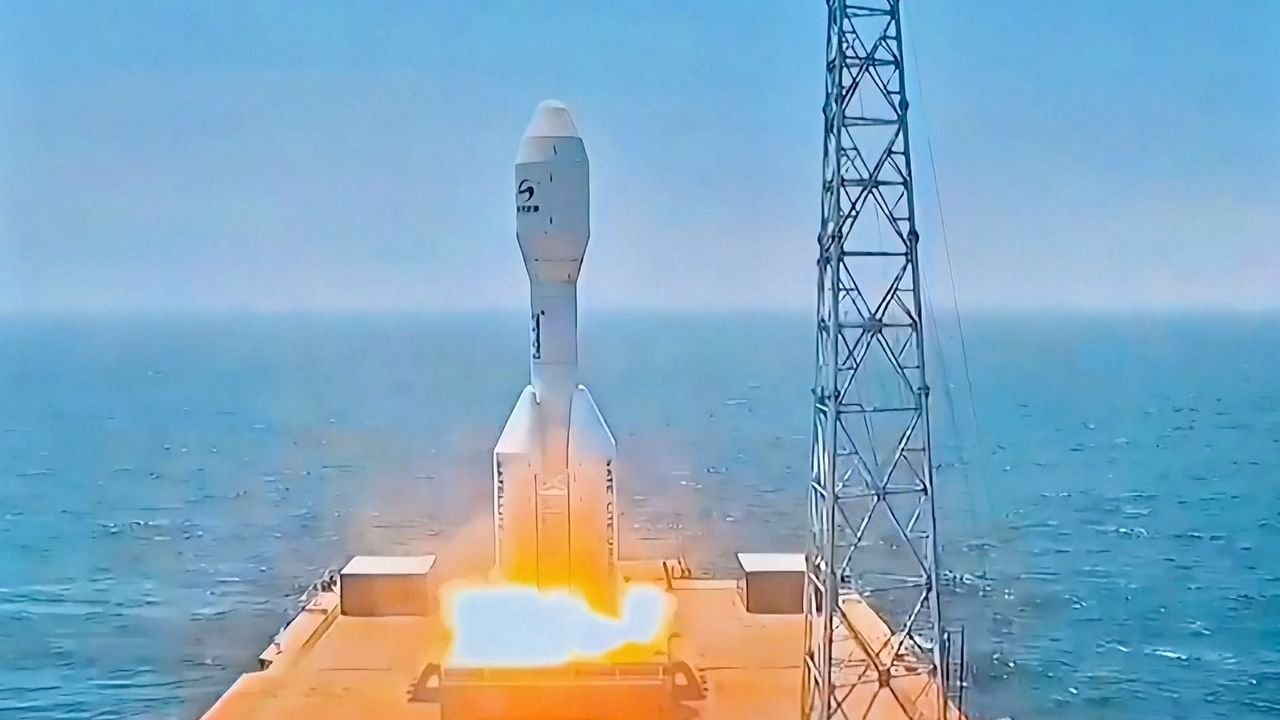
    China’s Gravity-1 rocket continues to make headlines. On July 21, 2026, it successfully launched nine satellites from a ship off the coast of Shanghai. This event marks the third mission for the Gravity-1 and cements its status as the world’s most powerful solid-fuel rocket. Liftoff occurred at 10:54 p.m. EDT, with all satellites reaching their designated orbits. However, details about the satellites remain unspecified.

    Operated by Orienspace, the Gravity-1 rocket stands at just 100 feet, making it notably shorter than SpaceX’s Falcon 9. Its design is powerful yet compact, featuring three core stages and four strap-on boosters, all utilizing solid rocket motors. The rocket can deliver payloads up to 14,300 pounds to low Earth orbit (LEO). For context, the Falcon 9 can carry over 50,000 pounds in similar conditions.

    ### Future Prospects and Technological Ambitions

    Orienspace has grand ambitions beyond Gravity-1. The company is in the early stages of developing Gravity-2 and Gravity-3, which will be larger and more powerful. These future rockets will incorporate liquid-fueled core stages alongside solid rocket boosters. Reports indicate that Gravity-2 could see its first flight by the end of this year, likely launching from a maritime platform.

    The success of sea launches demonstrates new avenues for space exploration. “Sea launch of solid-propellant rockets paves the way for future launch of liquid rockets at sea,” stated Gravity-1 chief designer Xu Guoguang. The potential to launch from drilling platforms further expands the scope of practical applications.

    As the global space industry evolves, China’s advancements with the Gravity-1 signal a shift in how rockets can be launched and the opportunities this technology presents in making space more accessible.

    Discover More Technology Insights

    Learn how the Internet of Things (IoT) is transforming everyday life.

    Explore past and present digital transformations on the Internet Archive.

    Space

    Cosmos NASA Space VT1
    Share. Facebook Twitter Pinterest LinkedIn Tumblr Email
    Previous ArticleGemini 3.5 Flash Cyber: Google DeepMind’s Breakthrough
    Next Article Google Adds Selfie Video for Fast Log-In
    Avatar photo
    Staff Reporter
    • Website

    John Marcelli is a staff writer for IO Tribune, with a passion for exploring and writing about the ever-evolving world of technology. From emerging trends to in-depth reviews of the latest gadgets, John stays at the forefront of innovation, delivering engaging content that informs and inspires readers. When he's not writing, he enjoys experimenting with new tech tools and diving into the digital landscape.

    Related Posts

    Science

    Warming Seas Let Hungry Fish Devastate Kelp Forests

    October 31, 2026
    Gadgets

    GNSS vs GPS: Key Differences

    October 31, 2026
    AI

    AI Infostealer Malware Automatically Doxxes Victims

    October 31, 2026
    Add A Comment

    Comments are closed.

    Must Read

    Warming Seas Let Hungry Fish Devastate Kelp Forests

    October 31, 2026

    GNSS vs GPS: Key Differences

    October 31, 2026

    AI Infostealer Malware Automatically Doxxes Victims

    October 31, 2026

    From Campus Challenge to Drone Entrepreneur

    October 31, 2026

    Is the #1 AI Model Really the Best?

    October 31, 2026
    Categories
    • AI
    • Crypto
    • Fashion Tech
    • Gadgets
    • IOT
    • OPED
    • Quantum
    • Science
    • Smart Cities
    • Space
    • Tech
    Most Popular

    Nvidia and AMD Leaders Join Tsinghua Advisory Amid US-China Chip Tensions

    September 30, 2026

    Startups Pursuing the Next Big LLM Breakthrough

    August 10, 2026

    Peking University Launches 3D Design Tool to Boost Huawei Chips

    May 27, 2026
    Our Picks

    Autumn Wonders: 8 Celestial Treasures to Discover in 2025!

    October 14, 2025

    Unlocking Recovery: Human Organoids Reverse ‘Irreversible’ Nerve Damage

    May 29, 2026

    EcoFlow Recalls 25,000 Delta Max 2000 Power Stations: Fix Your Fire Hazard Now!

    October 9, 2025
    Categories
    • AI
    • Crypto
    • Fashion Tech
    • Gadgets
    • IOT
    • OPED
    • Quantum
    • Science
    • Smart Cities
    • Space
    • Tech
    • Privacy Policy
    • Disclaimer
    • Terms and Conditions
    • About Us
    • Contact us
    Copyright © 2025 Iotribune.comAll Rights Reserved.

    Type above and press Enter to search. Press Esc to cancel.