

Quick Takeaways
- Families are shifting to budget stores like Aldi for affordability.
- Food insecurity and inflation have increased consumers’ focus on savings.
- Discount grocers improve quality while keeping costs low, attracting new shoppers.
- Social media influences budget cooking and shopping habits among consumers.
The Rise of Budget Grocers Amid Economic Strain
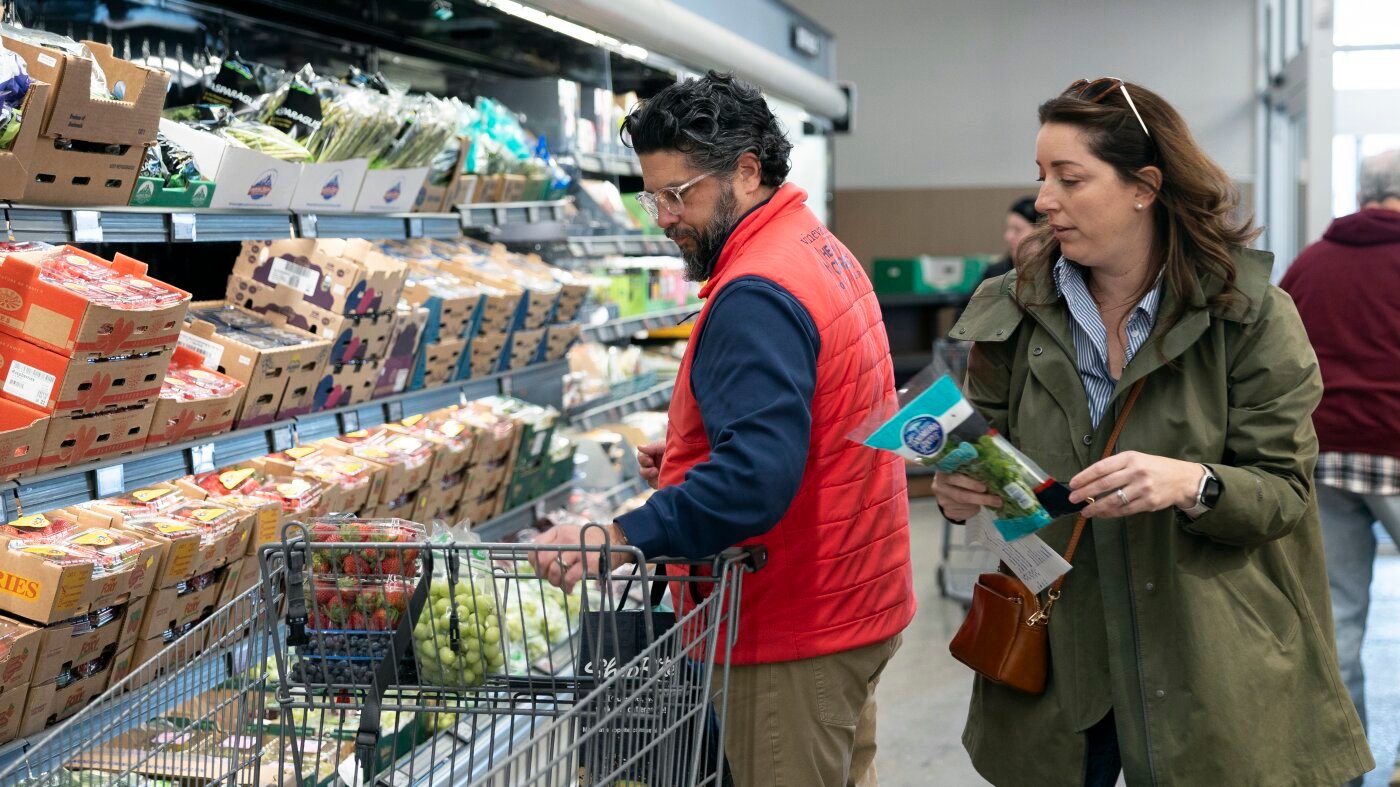
Budget-conscious shopping is becoming the new norm. Amid soaring food prices and lingering inflation, many families are turning to discount grocery stores like Aldi and Lidl. Consumer behavior has shifted significantly since the pandemic. Once viewed as a last resort, these stores now attract familiar faces who share a common goal: saving money while feeding their families.
Food insecurity surged during the pandemic. With rising costs due to tariffs, shrinkflation, and corporate profit strategies, shoppers are not just looking for affordability; they are demanding it. Grocery industry analyst Phil Lempert emphasizes a critical shift. People refuse to accept poor food pricing, recognizing its essential role in their daily lives. Social media fuels this trend by showcasing budget-friendly meal ideas. Creators are eager to share their cost-cutting recipes, enabling others to navigate these new norms.
Costco and Sam’s Club have also benefited from this trend, providing bulk purchasing options at competitive prices. Budget grocery stores operate on a streamlined model, featuring fewer items and smaller staff. Efficient practices, like stocking products directly from shipping boxes, keep prices lower for consumers. Recent studies confirm that discount grocers often outperform traditional supermarkets in terms of pricing. Store-brand items are also gaining popularity, proving that consumers do not have to sacrifice quality for cost.
A Shift in Consumer Mindset
Despite their appeal, budget stores come with limitations. Many shoppers still prefer specific high-quality items from traditional markets. Aldi, for example, excels in lower prices and sustainability but may not carry every brand or type of product. Shoppers adapt, finding a balance by making extra trips to fulfill their grocery lists.
The focus on budgeting has transformed cooking habits as well. The shift prompts consumers to embrace simpler, economical meals. For many, the stigma of shopping at discount stores is fading. As Kiki Rough illustrates, people from various backgrounds encounter food insecurity. She passionately advocates for a mindset change that embraces frugal living without shame.
The grocery landscape has changed. Embracing budget shopping is not a temporary trend; it reflects a fundamental shift in consumer priorities. A survey by AlixPartners highlights continued changes in spending habits, indicating that shoppers seek more value and are less impulsive. Younger generations, particularly Gen Z and millennials, prioritize practicality and price over traditional supermarket luxuries.
Shoppers now demand fair prices and convenience. Their newfound focus on budgeting fosters a culture where financial prudence and smart purchases reign. This evolving landscape will not revert to old habits, marking a new chapter in consumer behavior.
Stay Ahead with the Latest Tech Trends
Learn how the Internet of Things (IoT) is transforming everyday life.
Stay inspired by the vast knowledge available on Wikipedia.
TechV1
