

Top Highlights
- NASA monitors Earth features via satellites, demanding long-term data continuity and planning.
- Lindsey Jacobson helps anticipate mission disruptions to prevent data gaps for users.
- Her team develops tools to foresee changes and prepare management strategies proactively.
- Adaptability, tech innovation, and AI integration are vital as Earth’s science landscape evolves.
Building Foresight for Earth Science, featuring Lindsey Jacobson
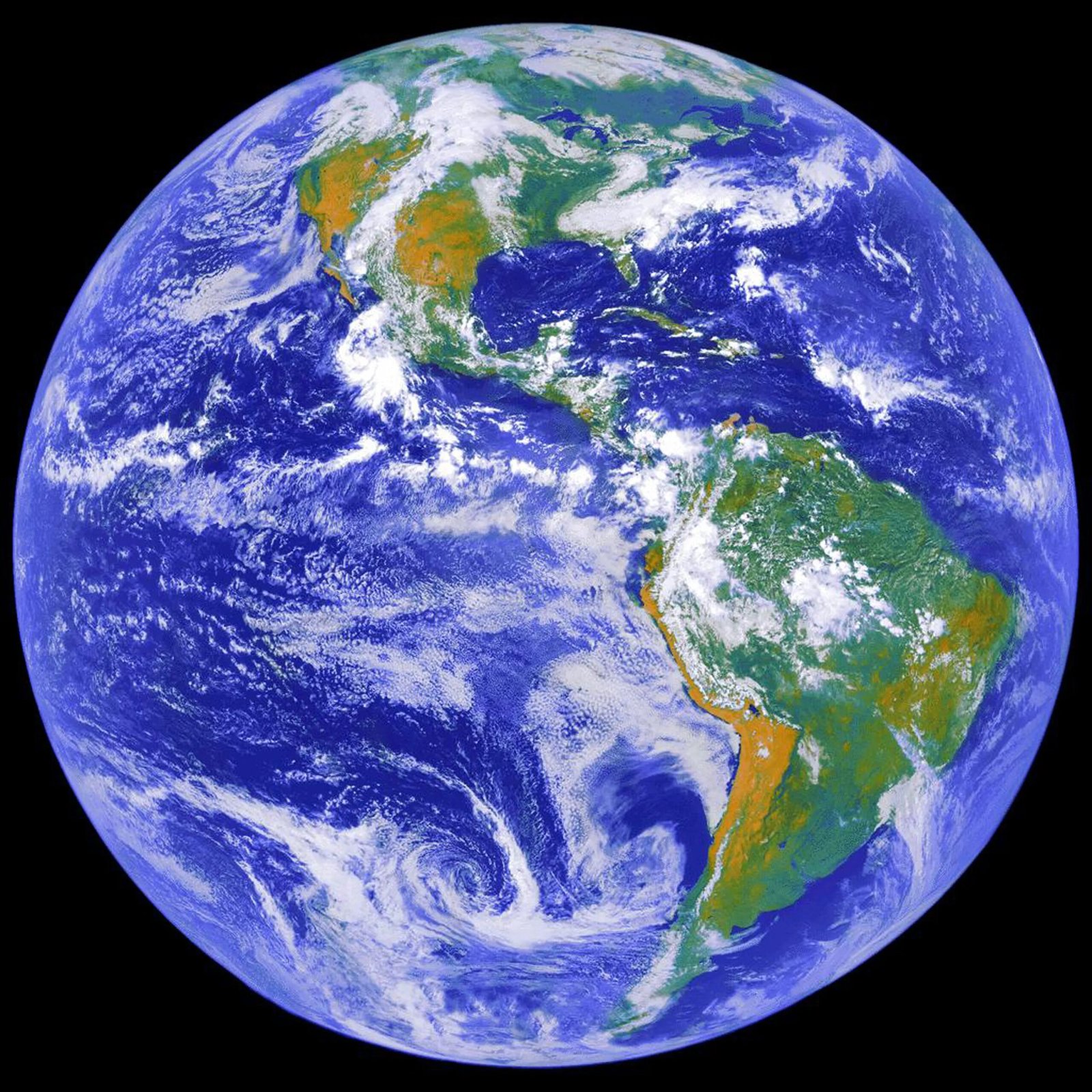
NASA’s Earth-observing satellite missions provide vital information about our planet. They track features like aerosols, sea levels, land cover, and cloud cover over years and decades. But maintaining this long-term record requires more than just engineering skills. It demands planning for an uncertain future — knowing what might go wrong and how to respond before disruptions happen. Lindsey Jacobson plays a key role in helping NASA navigate this complex challenge.
Anticipating and Managing Data Gaps
Jacobson is a Pathways intern in engineering at NASA’s Langley Research Center in Virginia. She supports NASA’s Earth Science Division through the NASA Earth Science Strategic Integration Environment (NESSIE) team. Her work centers on understanding potential risks to the extensive network of Earth observation missions. These missions collect data critical for scientists, policymakers, and operational agencies worldwide.
The challenge is the unknown. Satellite missions might end earlier than planned, or technical issues could cause data gaps. There could also be delays in launching new satellites. Jacobson and her team’s goal is to anticipate when these issues might occur. They develop analysis tools to predict where coverage might weaken or disappear. This foresight helps NASA’s senior leaders prepare options and strategies in advance. It’s like setting hurricane shutters before a storm hits — being ready when disruptions happen so data continues to flow without interruption.
Her work involves creating scenarios and alternative plans that could be implemented if a mission experiences difficulties. These plans ensure that community needs are met, no matter what surprises the future holds. The idea is to act proactively, not reactively. Her approach echoes principles used in infrastructure engineering, where existing systems are modified and upgraded over time rather than replaced entirely.
Adapting in a Changing Space Environment
Jacobson says, “The way we do Earth science is changing.” Increased involvement from commercial companies, new space agencies, and advanced technologies all influence NASA’s work. These shifts bring opportunities but also new challenges. Keeping pace means understanding emerging capabilities and integrating them purposefully.
Part of her adaptability includes embracing new tools like artificial intelligence. AI helps her team analyze complex data and develop better predictions faster. It’s part of a broader effort, shared across NASA Langley, to be innovative and pioneering. “Langley has done a lot of firsts,” Jacobson notes. “And we want to continue to be the first. That means learning new things and bringing them into our workflows.”
Her perspective is shaped by a background in studying complex systems, such as electrical grids. She recognizes that many infrastructure components can’t be simply replaced. Instead, they must be carefully modified, expanded, and improved. This mindset aligns with her work at NASA — making incremental changes, preparing for future needs, and ensuring the resilience of Earth observation efforts.
Her interest in space also touches on a deeper meaning. She mentions Kurt Vonnegut’s novel, The Sirens of Titan, which explores the idea that space exploration can unite humanity. During the pandemic, she rediscovered the book and found new inspiration in the cosmic perspective it offers. This outlook fuels her motivation to contribute to Earth science and to keep humanity connected through our shared exploration of space.
Stay Ahead with the Latest Tech Trends
Stay informed on the revolutionary breakthroughs in Quantum Computing research.
Stay inspired by the vast knowledge available on Wikipedia.
Space
