

Top Highlights
-
Adherence Challenge: Fewer than 25% of patients remain on GLP-1 medications like Wegovy after a year, often due to cost, insurance issues, or side effects.
-
Cultural Shift: The trend of intermittent use is gaining traction, driven by celebrity endorsements and targeted ads promoting short-term weight loss solutions.
-
Health Risks: Temporary use of GLP-1s can lead to significant lean muscle loss, raising concerns about long-term metabolic health, particularly in older individuals.
-
Need for Research: Experts stress the importance of further studies on the health effects of GLP-1s, especially regarding body composition and muscle quality during intermittent use.
Understanding the Risks of Starting and Stopping GLP-1s
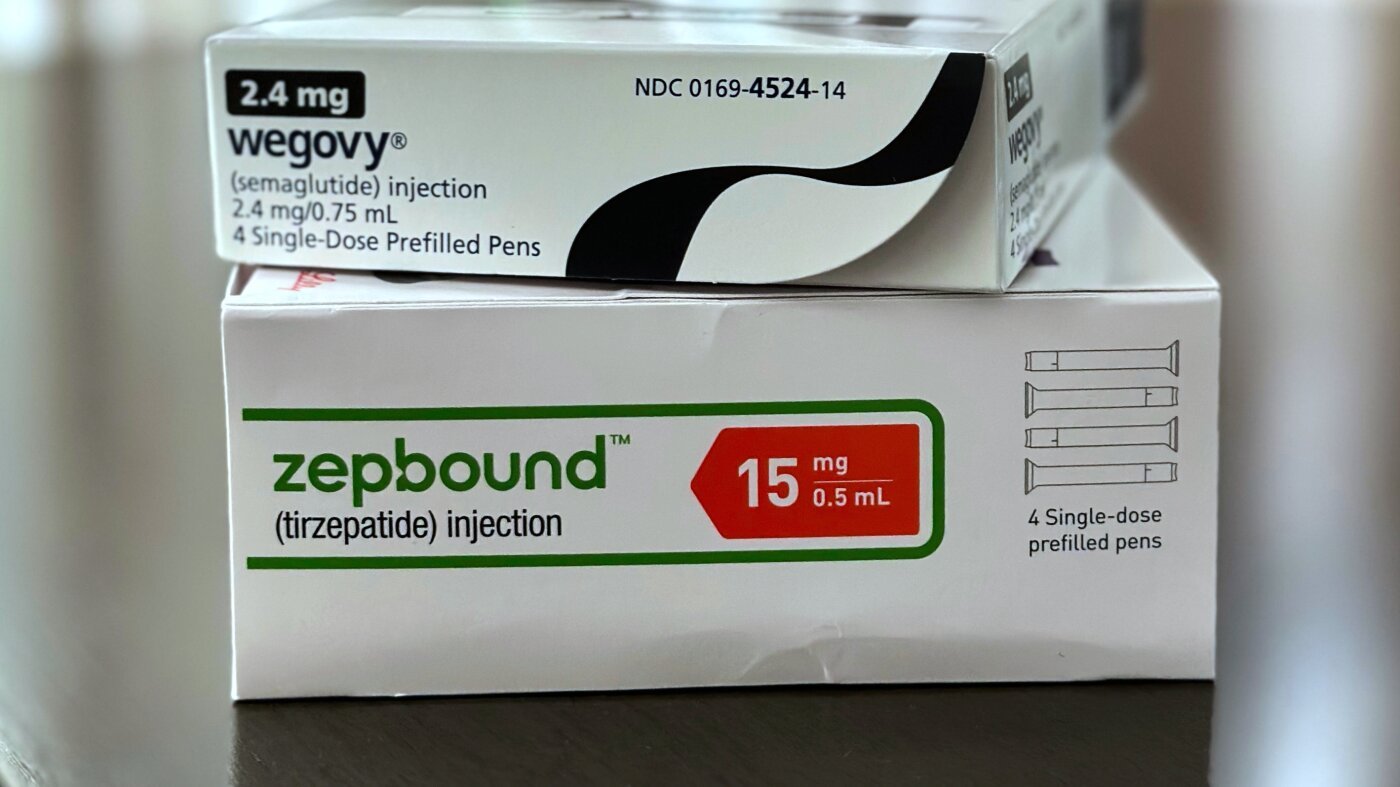
Many people now use GLP-1 medications like Ozempic and Zepbound for weight loss and diabetes management. These drugs are designed for long-term use. Yet, a startling trend emerges: less than one in four patients continue their treatment after a year. This pattern raises critical questions. Why do people start and stop these medications? Factors include high costs, insurance issues, and side effects.
In many cases, patients believe they can discontinue the treatment once they reach a weight goal. However, experts argue this mindset is outdated and potentially harmful. Stopping these medications can lead to quick weight regain, sometimes faster than with traditional diets. As the culture around these drugs evolves, the notion of on-again-off-again use becomes more normalized, often fueled by celebrity endorsements and social media advertising.
The Implications of Intermittent Use
Intermittent use of GLP-1 medications has potential health implications. Research shows significant muscle loss can occur, particularly with on-and-off cycling of these drugs. Some experts express concern that losing lean muscle mass can compromise overall health, especially in older adults. They warn of risks like sarcopenia, which can lead to balance issues and increased fractures.
Nevertheless, there’s also a more nuanced perspective. Some studies suggest that while GLP-1s may reduce muscle quantity, they can improve muscle quality. This means the muscle left behind could be healthier and function better. However, the absence of comprehensive research on the long-term effects of periodic use leaves gaps in our understanding.
As the drug landscape continues to change, consumers must weigh the benefits and risks. Embracing these medications without understanding their long-term implications may jeopardize health rather than enhance it. A more informed approach can ensure these treatments contribute positively to our collective health journey.
Expand Your Tech Knowledge
Stay informed on the revolutionary breakthroughs in Quantum Computing research.
Explore past and present digital transformations on the Internet Archive.
TechV1
