

Quick Takeaways
-
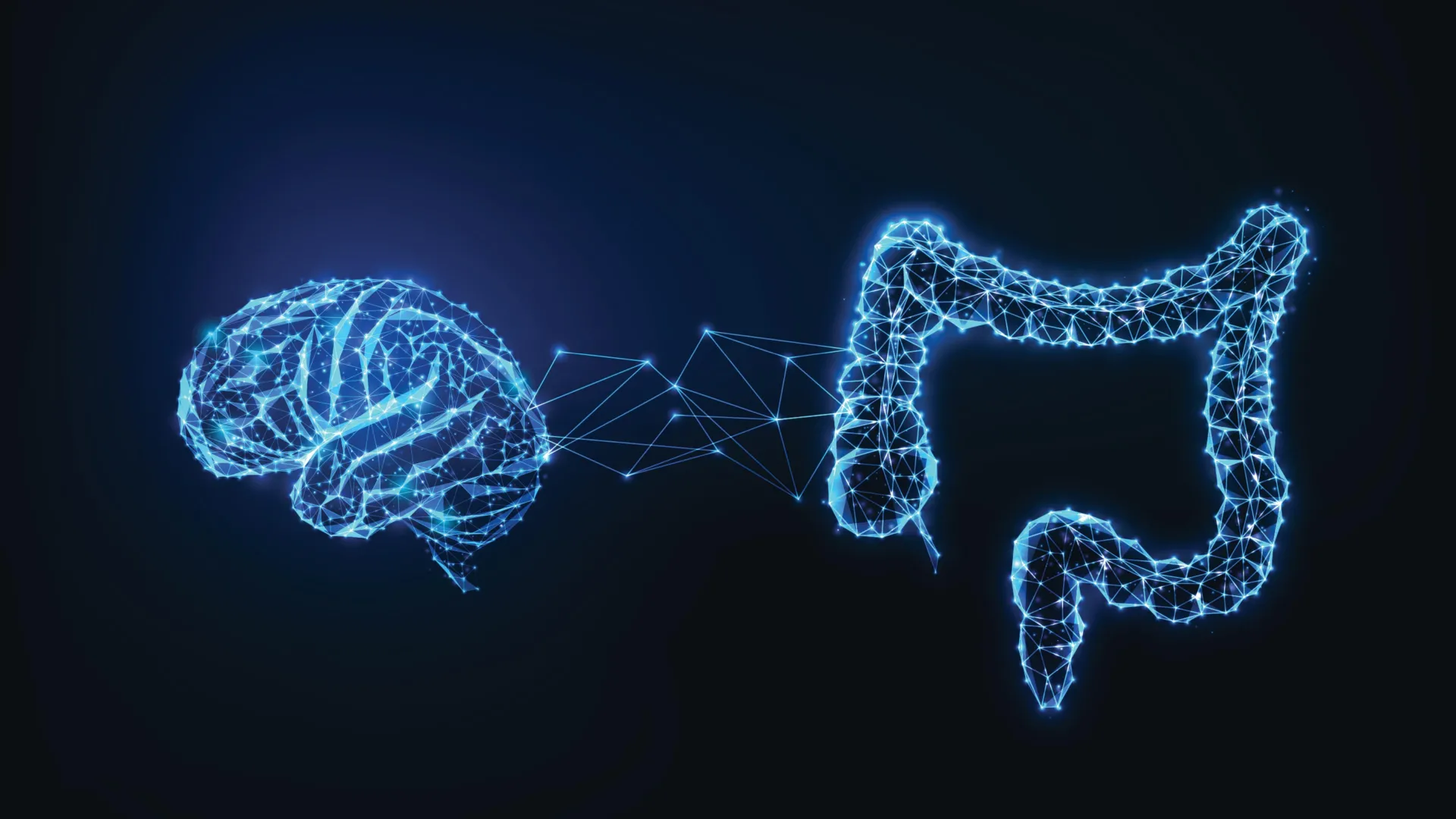
Gut-Bacteria Link: Researchers at Case Western Reserve University found a connection between gut bacteria and brain damage in ALS and Frontotemporal Dementia, revealing that certain bacterial sugars trigger immune reactions that harm brain cells.
-
Potential Treatment Targets: The study identified harmful gut sugars as a new target for treatment, offering hope for therapies aimed at reducing these sugars and potentially slowing disease progression.
-
Genetic Insights: Findings suggest that gut bacteria may serve as environmental triggers for ALS and FTD, particularly for individuals with the C90RF72 mutation, explaining why not all carriers develop the disease.
-
Innovative Methods: Advanced laboratory techniques using germ-free mouse models enabled the identification of gut-microbe effects on brain health, paving the way for future studies and potential clinical trials focused on gut-brain interactions.
Unraveling the Gut-Brain Connection
Recent research from Case Western Reserve University brings exciting news for those affected by Amyotrophic Lateral Sclerosis (ALS) and Frontotemporal Dementia (FTD). Scientists have discovered a significant link between gut bacteria and the progression of these conditions. They found that certain bacterial sugars can trigger immune responses that damage brain cells. This offers a new perspective on treating these devastating diseases.
For many years, experts have sought to understand the underlying causes of ALS and FTD. While genetics and environmental factors were major focus areas, this new study highlights the role of gut health. Researchers identified a molecular pathway that connects gut microbes to brain damage. This finding is particularly important for individuals with the C90RF72 genetic mutation, as it suggests that gut bacteria might act as environmental triggers. Consequently, understanding this relationship could lead to targeted therapies that focus on both gut health and brain function.
New Hope for Patients
The implications of this research extend far beyond mere understanding. The team’s ability to pinpoint harmful gut sugars opens doors for innovative treatment options. Researchers can now explore ways to break down these sugars in the digestive system, potentially slowing or even preventing disease progression. They report that reducing harmful sugars improved brain health and extended lifespan in experimental models.
Furthermore, the study indicates the potential for developing biomarkers to identify patients who may benefit from gut-focused therapies. Upcoming clinical trials aim to explore these possibilities further, as scientists plan larger studies to assess gut microbiomes before and after disease onset. This pioneering work could revolutionize treatment for ALS and FTD, bringing hope to many patients and their families. As research advances, society stands on the brink of harnessing these discoveries in the quest for better health and well-being.
Expand Your Tech Knowledge
Explore the future of technology with our detailed insights on Artificial Intelligence.
Discover archived knowledge and digital history on the Internet Archive.
TechV1
