

Summary Points
- The Hisense UR9 RGB LED TV’s prices have significantly dropped.
- The 65-inch model is now $1,999, down from $3,500.
- Hisense’s aggressive pricing responds to competitors like Samsung’s R95H release.
- UR9’s vibrant display now competes well with TCL’s QM8L model.
Pricing Strategy Shakes Up the Market
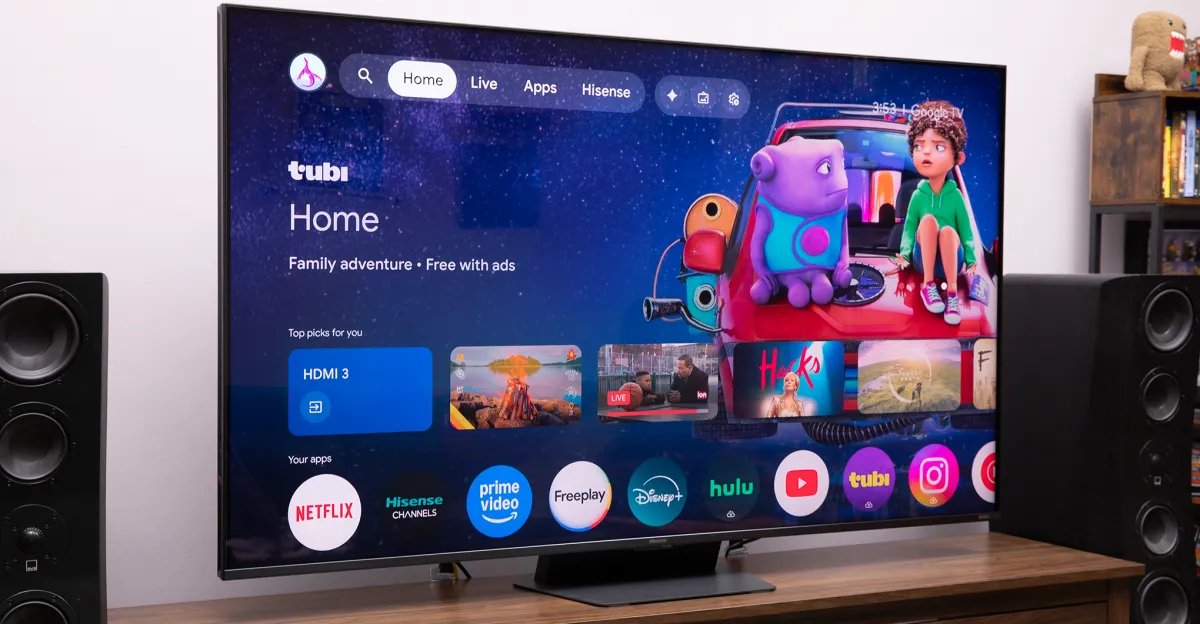
Hisense has turned heads by slashing the price of its flagship RGB LED TV, the UR9. Released at a surprising $1,500 to $2,000 below its initial price, the 65-inch model now retails for $1,999. The 75-inch variant follows at $2,999, while the 85-inch option is priced at $3,999. This aggressive pricing strategy aims to attract buyers in a competitive market.
Previously, Hisense faced criticism for its pricing. At $3,500 for the 65-inch model, it stood higher than established OLED competitors like the LG G6 and Samsung S95H. These flagship models offered better performance at a lower price. Just two days after Hisense’s initial pricing was revealed, Samsung announced its R95H RGB LED TV at a lower price, further intensifying the competitive landscape. Hisense’s response is clear: to survive, it must adapt.
With only Samsung matching Hisense in the 65-inch RGB segment, this price cut places greater pressure on other manufacturers. LG’s MRGB95 starts at 75 inches and TCL’s RM9L at 85 inches, making both considerably more expensive. Such drastic changes foster a sense of urgency among consumers, pushing them towards RGB LED technology.
Implications for Consumers and Competitors
For consumers, the Hisense UR9 now represents a solid choice for those interested in RGB LED tech. The brilliance and vivid colors can enhance viewing experiences. This price point broadens access to a new technology that, until now, appeared limited to premium models. Buyers benefit from a product that combines innovative tech with a more palatable price tag.
However, the implications extend beyond just Hisense. This price cut sets a precedent for aggressive pricing in the industry. Other companies may follow suit to maintain market share. TCL has already displayed a similar trend by lowering its QM8L price shortly after release.
As the market evolves, price shifts become standard practice. However, the $1,500 cut at release day is unprecedented. It forces other brands to rethink their strategies in real-time. Brands like LG and Sony must reconsider their pricing models if they wish to compete with aggressive tactics from Hisense and Samsung.
The Hisense UR9 opens avenues for consumers. It challenges other brands to innovate and adjust quickly in an ever-changing landscape. In this battle of pixels and prices, the ultimate winner will be the consumer.
Expand Your Tech Knowledge
Stay informed on the revolutionary breakthroughs in Quantum Computing research.
Access comprehensive resources on technology by visiting Wikipedia.
TechV1
