

Fast Facts
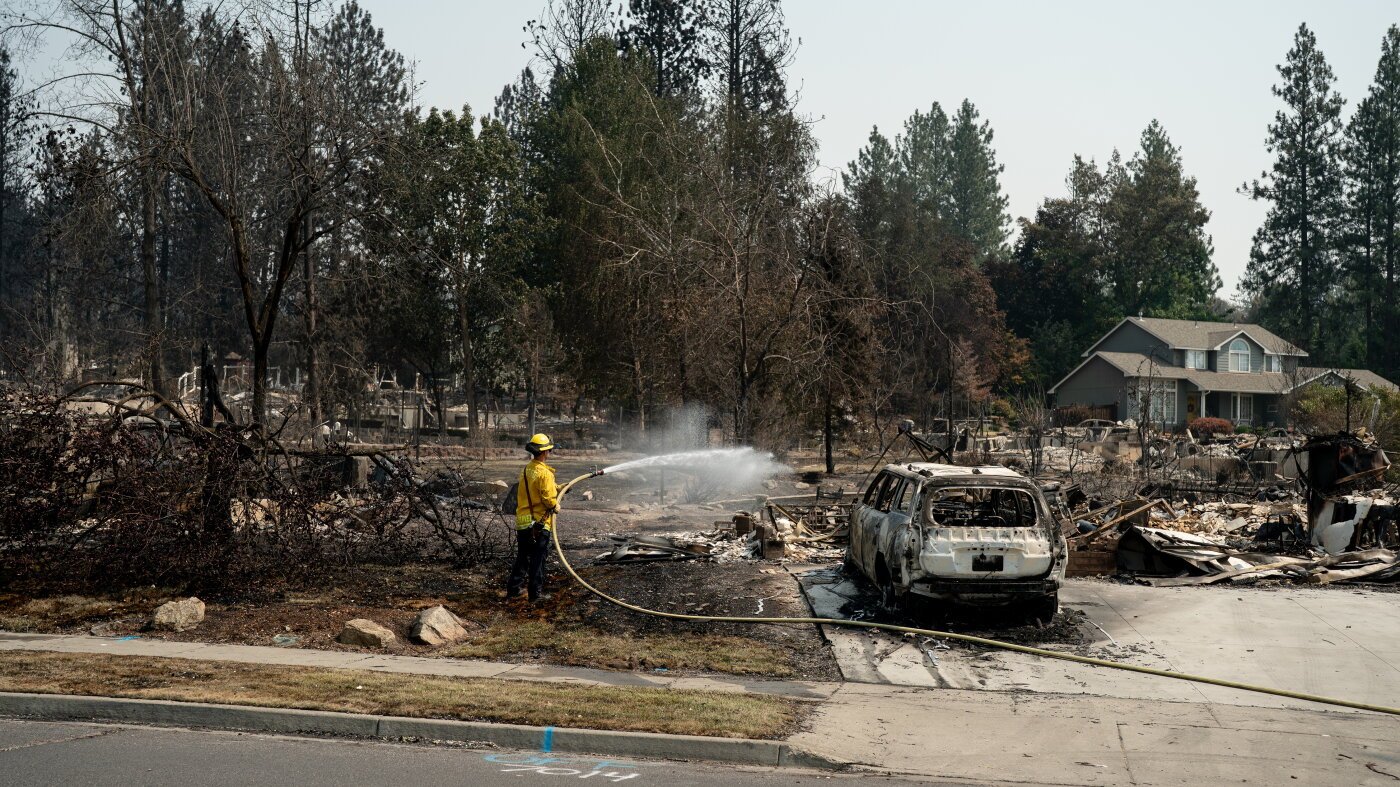
Wildfires in Washington and Nevada caused extensive destruction, burning multiple structures.
Most U.S. wildfires are human-caused, including negligence, arson, and utility failures.
Arson remains a significant problem despite declining trends since the 1990s.
Growth into fire-prone areas increases human ignition risks and wildfire severity.
The Real Cause of Most Wildfires? People: NPR
Wildfires have become a major concern across the United States, especially in the West. Recent devastating fires, like the Spokane Complex Fires in Washington and the Hawk Fire near Reno, Nevada, highlight the severity of the problem. These fires burn hundreds of structures and thousands of acres of land. But what is really causing most of these wildfires? According to NPR and fire studies, the answer points to people.
Human Activity Is Responsible for Most Wildfires
Data show that over 75% of all wildfires in the U.S. are started by humans. This includes simple mistakes, such as unattended campfires, discarded cigarettes, or downed power lines. Sometimes, fires are started intentionally, which is called arson. For example, in Spokane, a man named Aaron Farinacci was arrested for starting multiple wildfires. Court reports say he watched weather apps to pick the best time to start fires on purpose. His actions caused one of the worst fires in Washington State history. In Reno, investigators think the Hawk Fire was also caused by people, but they are still investigating.
Most wildfires caused by humans happen near populated areas where people live. As more people move into fire-prone landscapes, the chances of starting a fire grow. Kelly Pohl, a researcher at Headwaters Economics, says that growth alone increases the risk of fires started by humans. People tend to ignite fires in neighborhoods or near forests that are close to homes.
While arson and neglect are major factors, accidental fires caused by everyday activities are also common. Power lines can spark fires during storms or high winds, turning into deadly blazes. These incidents show how human systems and habits directly influence wildfire risks.
The Role of Climate Change and Natural Factors
While most wildfires are human-caused, natural factors still play a part. Lightning strikes are responsible for many fires, especially in remote forests. This summer, lightning sparked large fires across Oregon, burning around 2.3 million acres. Climate change makes the environment more vulnerable by increasing temperatures and drying out vegetation. Andrés Holz, a climate scientist, notes that hotter weather extends the fire season and makes fuels much drier than before.
Firefighters have become more effective at controlling most human-made fires. Public awareness campaigns and better technology also help keep small fires from spreading. However, the fires that do escape control make big headlines and cause widespread destruction. Despite these efforts, the combination of climate change, human activity, and growing populations keeps wildfire risks high.
For survivors like Chris Matthews in Spokane, the causes of fires are not just abstract figures. They are personal tragedies. Matthews lost his home when the Old Trails Fire swept through his neighborhood. He struggles to understand how someone could deliberately set a fire that destroys lives and property.
The pattern is clear: people are the primary cause of most wildfires. Human activity, combined with changing climate conditions, makes wildfires more frequent and severe. Recognizing this link can help communities adopt better prevention methods and reduce future risks.
Continue Your Tech Journey
Dive deeper into the world of Cryptocurrency and its impact on global finance.
Access comprehensive resources on technology by visiting Wikipedia.
Space
