

Top Highlights
- Storing mangoes at 12°C significantly extends freshness and reduces spoilage.
- Cooler temperatures slow ripening, preserving fruit structure and antioxidant defenses.
- Mangoes at 30°C yellowed and softened rapidly compared to those at 12°C.
- Findings could enhance mango shipping, reducing waste and improving quality.
Preserving Freshness in Transit
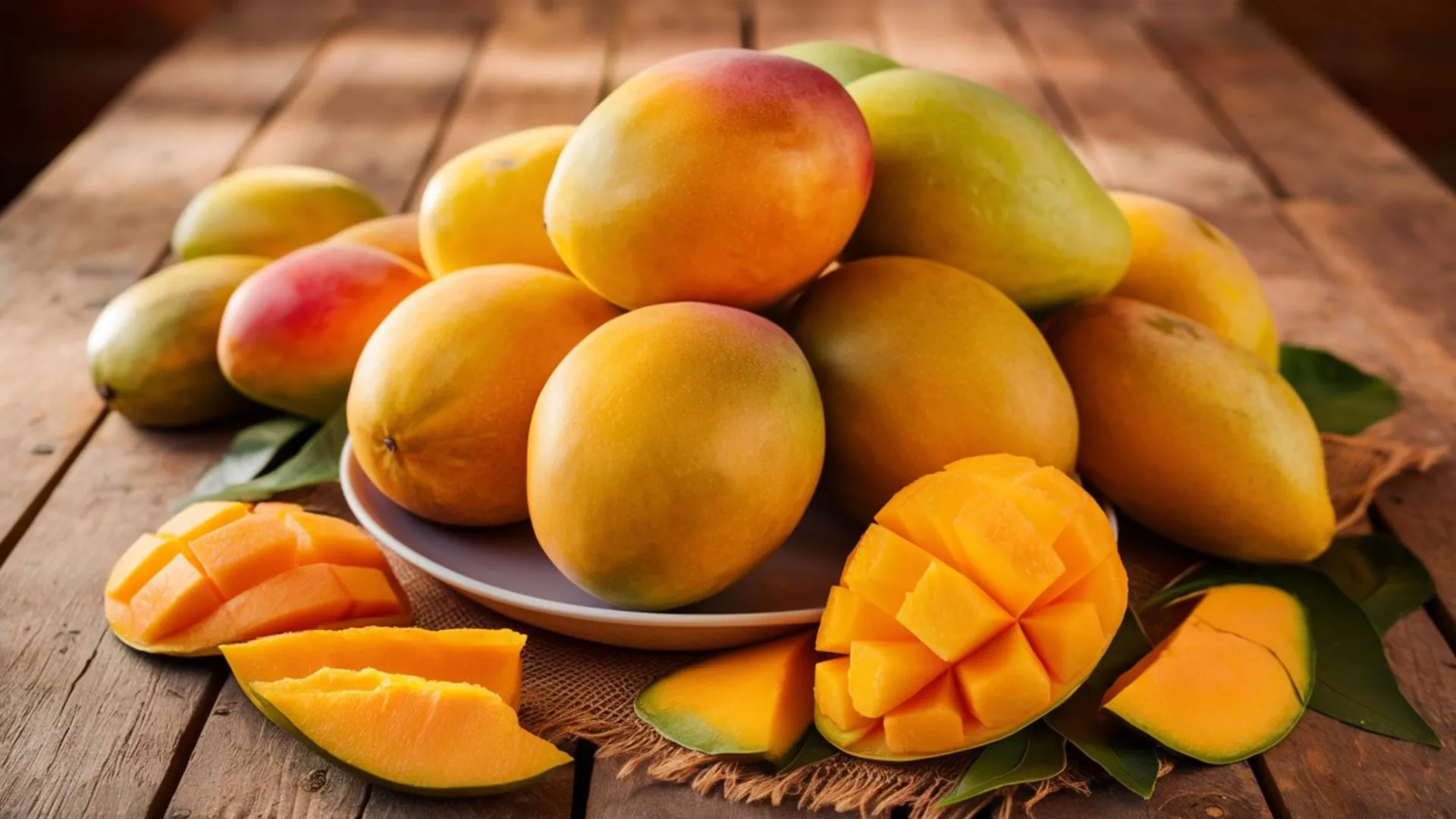
Mangoes are among the world’s favorite tropical fruits. Their sweet flavor and rich nutrients make them a popular choice. However, once harvested, mangoes ripen quickly. This makes them prone to softening, moisture loss, and spoilage during storage and transport. Researchers from Hainan University have discovered that storing mangoes at 12°C (54°F) dramatically extends their freshness without causing cold damage. Their findings, published in Tropical Plants, shed light on how this optimal temperature slows ripening and activates mangoes’ natural defenses.
Most tropical fruits, including mangoes, often travel at temperatures between 26°C (79°F) and 30°C (86°F). While these warmer conditions are convenient, they hasten respiration and ripening. The result is quicker spoilage. Colder storage can mitigate this issue, but mangoes are sensitive to chilling injury. Earlier studies hinted at the benefits of 12°C for preserving ‘Tainong No.1’ mangoes. However, the biological mechanisms were unclear until now.
Through extensive testing, researchers revealed how temperature affects mango quality. They monitored fruit color, firmness, weight loss, sugar content, and antioxidant levels. After just 12 days, mangoes kept at 30°C exhibited rapid yellowing. In contrast, those stored at 12°C retained their vibrant color. Additionally, mangoes at the cooler temperature saw a steadier rise in sugar levels and maintained more acidity, crucial for balanced flavor.
Benefits for the Mango Industry
The implications of these findings are profound for the mango industry and cold-chain logistics. Mangoes stored at 30°C lost over 17% of their weight, while those at 12°C lost less than 4%. The research highlights significant structural integrity at the cellular level. Cooler temperatures preserve intact cell walls and starch granules in mangoes. This drastically reduces oxidative stress and cellular deterioration.
Preserving higher antioxidant levels, including vitamin C, phenolics, and flavonoids, proves vital. The research indicates that increased antioxidant activity corresponds with lower oxidative stress. This relationship enhances fruit preservation. By keeping temperatures near 12°C, the industry can harvest mangoes earlier, enabling longer transport distances. This practice minimizes spoilage and maintains quality until the mangoes reach their final market.
Adopting these findings could dramatically reshape how the mango supply chain operates. Lower waste rates and improved freshness benefit consumers and producers alike. The right temperature can enhance both flavor and sustainability. Adapting storage practices based on this research could usher in a new era for tropical fruit logistics, benefiting all stakeholders involved.
Discover More Technology Insights
Stay informed on the revolutionary breakthroughs in Quantum Computing research.
Discover archived knowledge and digital history on the Internet Archive.
TechV1
