
Close Menu
    Facebook X (Twitter) Instagram
    Saturday, May 23
    Top Stories:
    • Unlocking Freshness: The Ideal Temperature for Mango Longevity
    • iPhone 18 Series Case Leaks: Familiar Designs with a Curvier Twist
    • Breakthrough: Scientists Uncover Hidden State in ‘Sandwich’ Molecules!
    Facebook X (Twitter) Instagram Pinterest Vimeo
    IO Tribune
    • Home
    • AI
    • Tech
      • Gadgets
      • Fashion Tech
    • Crypto
    • Smart Cities
      • IOT
    • Science
      • Space
      • Quantum
    • OPED
    IO Tribune
    Home » Revolutionizing Space: NASA’s Cutting-Edge Processor Takes Flight!
    Space

    Revolutionizing Space: NASA’s Cutting-Edge Processor Takes Flight!

    Staff ReporterBy Staff ReporterMay 23, 2026No Comments3 Mins Read
    Share Facebook Twitter Pinterest LinkedIn Tumblr Reddit Telegram Email
    Share
    Facebook Twitter LinkedIn Pinterest Email

    Essential Insights

    1. NASA’s project enhances spacecraft computing power for future missions.
    2. New radiation-hardened processor promises 100 times current capacity in space.
    3. Testing shows promising results, with performance surpassing existing radiation-hardened chips.
    4. Technology will support autonomous spacecraft and deep space data analysis.

    The Future of Spaceflight Computing

    NASA’s High Performance Spaceflight Computing project is on the brink of revolutionizing space missions with next-generation processors. This initiative aims to enhance the computing power available for spacecraft drastically. The challenges of the space environment have forced NASA to rely on older, reliable processor designs. However, these chips lack the capabilities needed for ambitious autonomous missions to the Moon and Mars, as well as for accelerating scientific discovery through faster data analysis.

    The new processor is designed to be fault-tolerant, flexible, and high-performing. Eugene Schwanbeck, program element manager at NASA’s Langley Research Center, stated this development is a significant achievement in technical collaboration. The centerpiece of this project is a state-of-the-art radiation-hardened processor. It offers up to 100 times the computational capacity of existing spaceflight computers, ensuring viability in the harsh conditions of space.

    NASA’s Jet Propulsion Laboratory (JPL) is taking the lead in testing these processors. They are subjected to a vigorous set of trials, including radiation, thermal, and shock tests. Jim Butler, project manager at JPL, noted the emphasis on rigorous checks during the performance evaluation. These processes simulate real-world challenges spacecraft will face, such as high-energy radiation and drastic temperature fluctuations. Both can jeopardize electronics and potentially cause disruptions in mission operations.

    Autonomy and Versatility

    This new technology is expected to empower autonomous spacecraft equipped with artificial intelligence. Such advancements allow real-time responses in complex scenarios where human input isn’t feasible. The data-handling capabilities are particularly noteworthy. Missions will be able to process, analyze, and transmit massive volumes of data back to Earth at an unprecedented rate. This is vital for deep space exploratory missions and future human expeditions to the Moon and Mars.

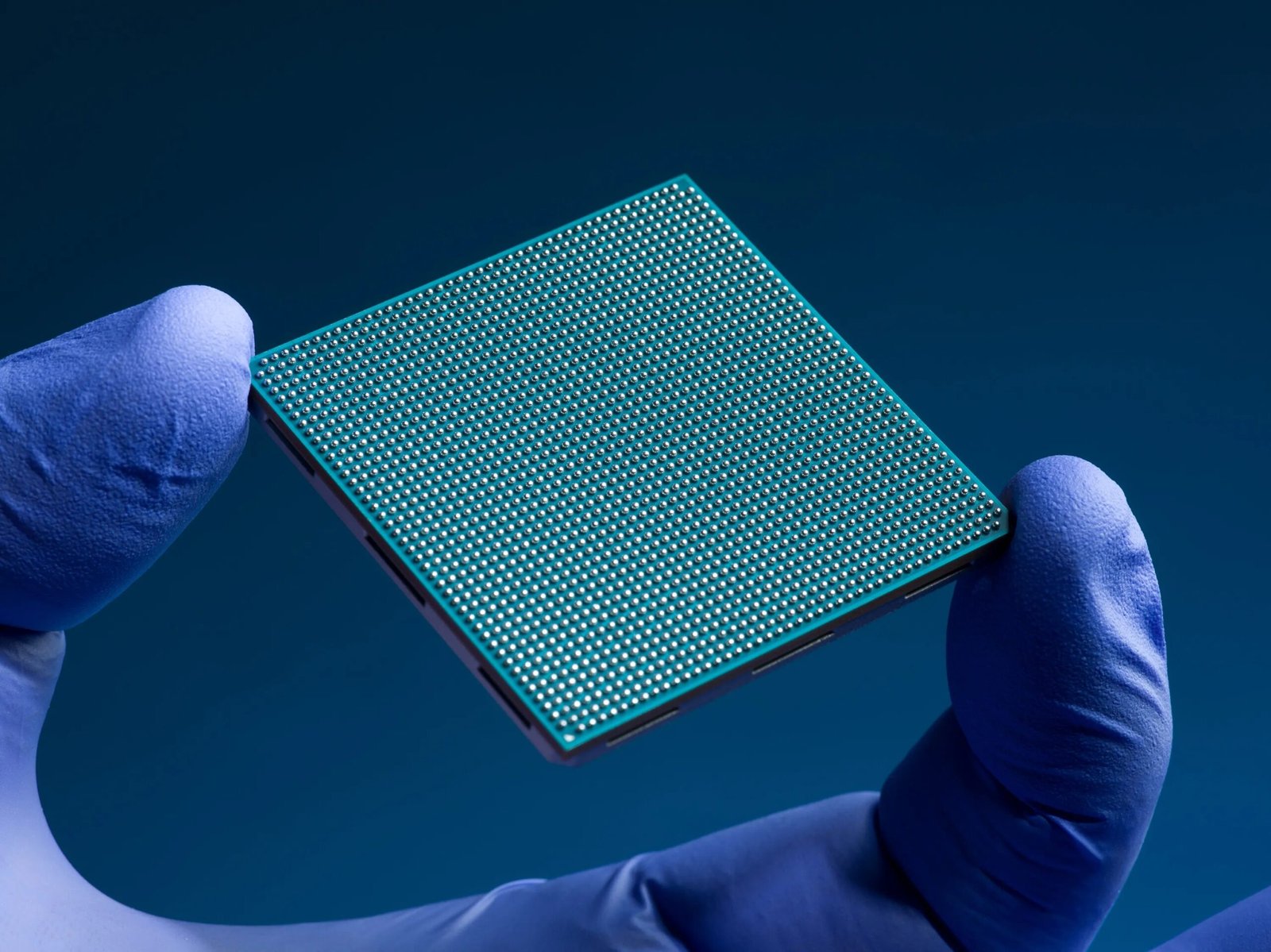
    Built by Microchip Technology Inc., the processor is an advanced system-on-a-chip (SoC). Remarkably compact, it includes all essential components—central processing units, memory, and advanced networking units—within a palm-sized design. Although SoCs are commonplace in devices like smartphones, this particular model is engineered to operate successfully millions of miles away from Earth. It can endure conditions that challenge even the toughest consumer-grade electronics.

    Once certified for spaceflight, this technology will be incorporated into various NASA missions, from Earth orbiters to planetary rovers. Additionally, these advancements could benefit Earth-based industries such as aviation and automotive manufacturing. The High Performance Spaceflight Computing project illustrates NASA’s commitment to advancing space exploration technology while simultaneously offering transformative solutions across various fields on Earth. For further details, you can visit NASA’s official page on the High Performance Spaceflight Computing project.

    Stay Ahead with the Latest Tech Trends

    Dive deeper into the world of Cryptocurrency and its impact on global finance.

    Explore past and present digital transformations on the Internet Archive.

    Space

    Cosmos Game Changing Development Program High-Tech Computing Jet Propulsion Laboratory Mars NASA Research Space Space Technology Mission Directorate Sustainability technology Technology for Space Travel Technology Transfer VT1
    Share. Facebook Twitter Pinterest LinkedIn Tumblr Email
    Previous ArticleAI Map Uncovers Obesity’s Hidden Facial Nerve Damage
    Avatar photo
    Staff Reporter
    • Website

    John Marcelli is a staff writer for IO Tribune, with a passion for exploring and writing about the ever-evolving world of technology. From emerging trends to in-depth reviews of the latest gadgets, John stays at the forefront of innovation, delivering engaging content that informs and inspires readers. When he's not writing, he enjoys experimenting with new tech tools and diving into the digital landscape.

    Related Posts

    AI

    AI Map Uncovers Obesity’s Hidden Facial Nerve Damage

    May 23, 2026
    Gadgets

    Master LinkSheet to Fix Android’s Broken Links

    May 23, 2026
    Tech

    Unlocking Freshness: The Ideal Temperature for Mango Longevity

    May 23, 2026
    Add A Comment

    Comments are closed.

    Must Read

    Revolutionizing Space: NASA’s Cutting-Edge Processor Takes Flight!

    May 23, 2026

    AI Map Uncovers Obesity’s Hidden Facial Nerve Damage

    May 23, 2026

    Master LinkSheet to Fix Android’s Broken Links

    May 23, 2026

    Unlocking Freshness: The Ideal Temperature for Mango Longevity

    May 23, 2026

    iPhone 18 Series Case Leaks: Familiar Designs with a Curvier Twist

    May 23, 2026
    Categories
    • AI
    • Crypto
    • Fashion Tech
    • Gadgets
    • IOT
    • OPED
    • Quantum
    • Science
    • Smart Cities
    • Space
    • Tech
    • Technology
    Most Popular

    3 Reasons Crypto Investors Should Prepare for a Record Quarter

    October 9, 2025

    Embracing Change: Finding Your Place as Your Company Grows

    May 4, 2026

    Fueling Delays: The Ongoing Struggle of Artemis

    February 4, 2026
    Our Picks

    Crafting Tomorrow: AI and Data Fabric Revolutionize Exploration

    November 18, 2025

    Unleashing Diamonds: The Secret to 1,000x Faster Tech

    October 1, 2025

    AI’s Curiosity: What Happens When Machines Start Questioning?

    May 4, 2025
    Categories
    • AI
    • Crypto
    • Fashion Tech
    • Gadgets
    • IOT
    • OPED
    • Quantum
    • Science
    • Smart Cities
    • Space
    • Tech
    • Technology
    • Privacy Policy
    • Disclaimer
    • Terms and Conditions
    • About Us
    • Contact us
    Copyright © 2025 Iotribune.comAll Rights Reserved.

    Type above and press Enter to search. Press Esc to cancel.