

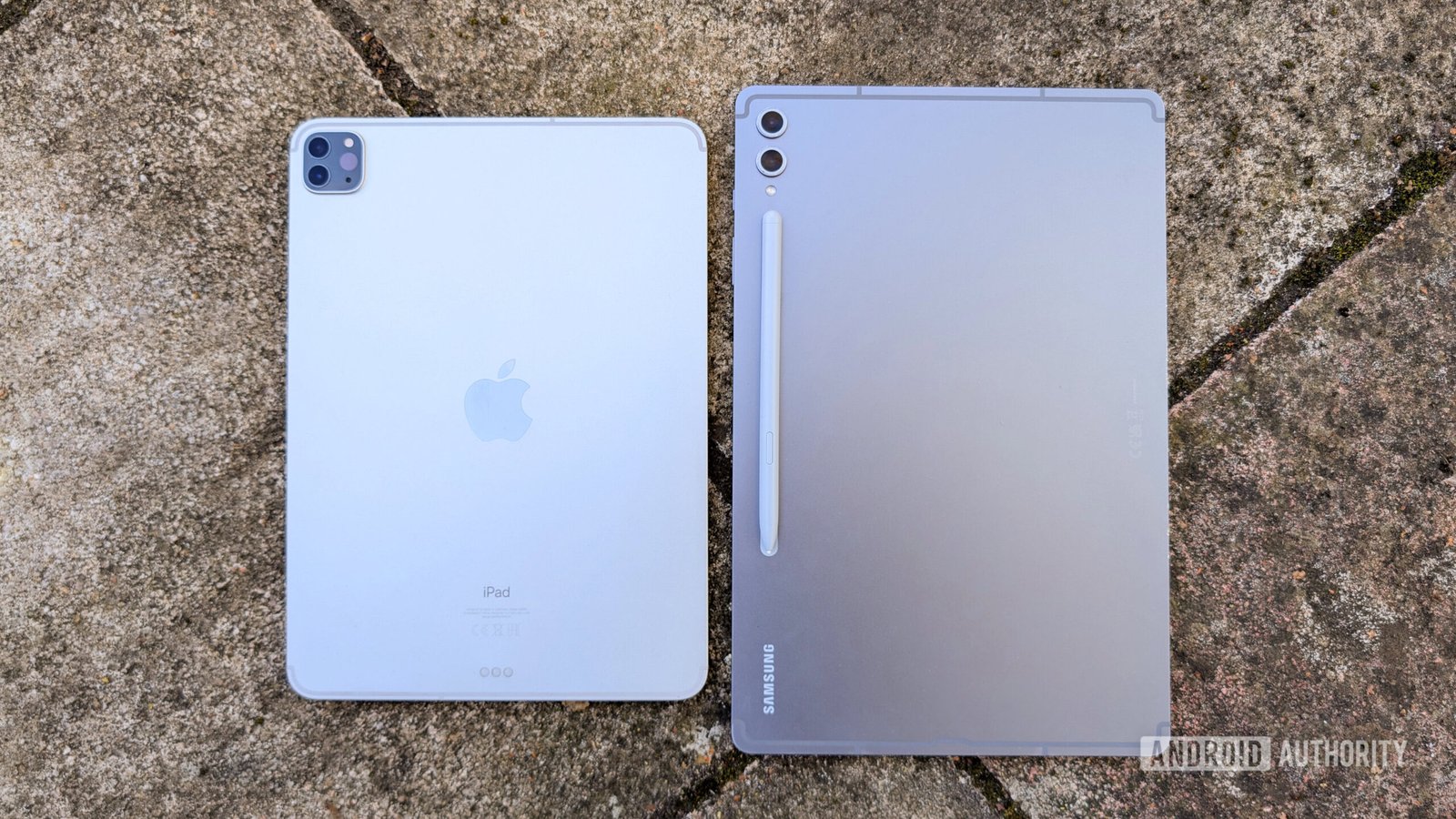
Quick Takeaways
- iPadOS 26 introduces improved multitasking but worsens usability with tiny UI elements, limited window snapping, and reduced slide-over functionality, causing user frustration.
- The changes in iPadOS 26’s default mode have confused and annoyed users, including older family members, making the iPad less intuitive and harder to recommend.
- Samsung’s One UI 8 offers a more seamless and user-friendly multitasking experience on Galaxy tablets, integrating DeX mode into core Android without disrupting standard use.
- Despite some limitations, Samsung’s multitasking on tablets is easier and more stable than iPadOS 26, leading the author to prefer Samsung’s approach for productivity.
Many tech enthusiasts feel disappointed with iPadOS 26. Initially, Apple aimed to improve multitasking with this update. However, users are now noticing more frustration than convenience. For example, the new process to split screens is overly complicated. Instead of easy drag-and-drop, users must flick apps or navigate menus, which slows things down. The tiny user interface makes tapping difficult, especially on smaller iPads. Additionally, the removal of multiple slide-over apps limits productivity. Many users find themselves confused or needing help with these changes.
In contrast, Samsung’s One UI 8 offers a different experience. Its multitasking features are more intuitive and easier to use. DeX mode, for instance, now integrates smoothly into Android. You can switch desktops quickly, and apps can be moved seamlessly. This approach does not interfere with regular tablet use. Users can enjoy multitasking without confusion or broken features. Despite some limitations—like only two windows side-by-side—the overall experience feels more reliable.
These changes highlight a broader point: smart city technology benefits from well-designed, user-friendly tools. When devices like tablets are easy to operate, more people can participate in urban innovations. Smooth interfaces help people share information, plan projects, and stay connected. As cities grow smarter, intuitive technology becomes essential. It encourages more collaboration, reduces frustration, and makes urban life more efficient.
Overall, a simple, clear user experience can have a big impact. Whether on tablets or in city planning, ease of use helps everyone adapt and thrive. Good technology should empower, not confuse, its users—whether in our homes or our shared urban spaces.
Stay Ahead with the Latest Tech Trends
Learn how the Internet of Things (IoT) is transforming everyday life.
Access comprehensive resources on technology by visiting Wikipedia.
GadgetsV1
