
Close Menu
    Facebook X (Twitter) Instagram
    Saturday, November 7
    Top Stories:
    • China’s Robotaxis: What It’s Really Like to Ride
    • Aging Proteome: Clocks, Cohorts & Trials
    • China’s AI Chipmakers Turn Profitable: Can the Momentum Last?
    Facebook X (Twitter) Instagram Pinterest Vimeo
    IO Tribune
    • Home
    • AI
    • Tech
      • Gadgets
      • Fashion Tech
    • Crypto
    • Smart Cities
      • IOT
    • Science
      • Space
      • Quantum
    • OPED
    IO Tribune
    Home » Breathing Life: Solar-Powered Oxygen from Lunar Soil
    Space

    Breathing Life: Solar-Powered Oxygen from Lunar Soil

    Staff ReporterBy Staff ReporterFebruary 27, 2026No Comments2 Mins Read
    Share Facebook Twitter Pinterest LinkedIn Tumblr Reddit Telegram Email
    Share
    Facebook Twitter LinkedIn Pinterest Email

    Top Highlights

    1. The Carbothermal Reduction Demonstration (CaRD) project aims to produce oxygen from simulated lunar regolith at the Moon’s south pole using a solar concentrator.

    2. Successful tests confirmed the production of carbon monoxide, which could lead to propellant generation using only lunar materials and sunlight.

    3. This technology significantly reduces costs and complexity for sustaining long-term human presence on the Moon.

    4. The systems developed for CaRD can also be adapted for Mars, transforming carbon dioxide into oxygen and methane, highlighting its broader applicability.

    Harnessing Sunlight for Lunar Oxygen Production

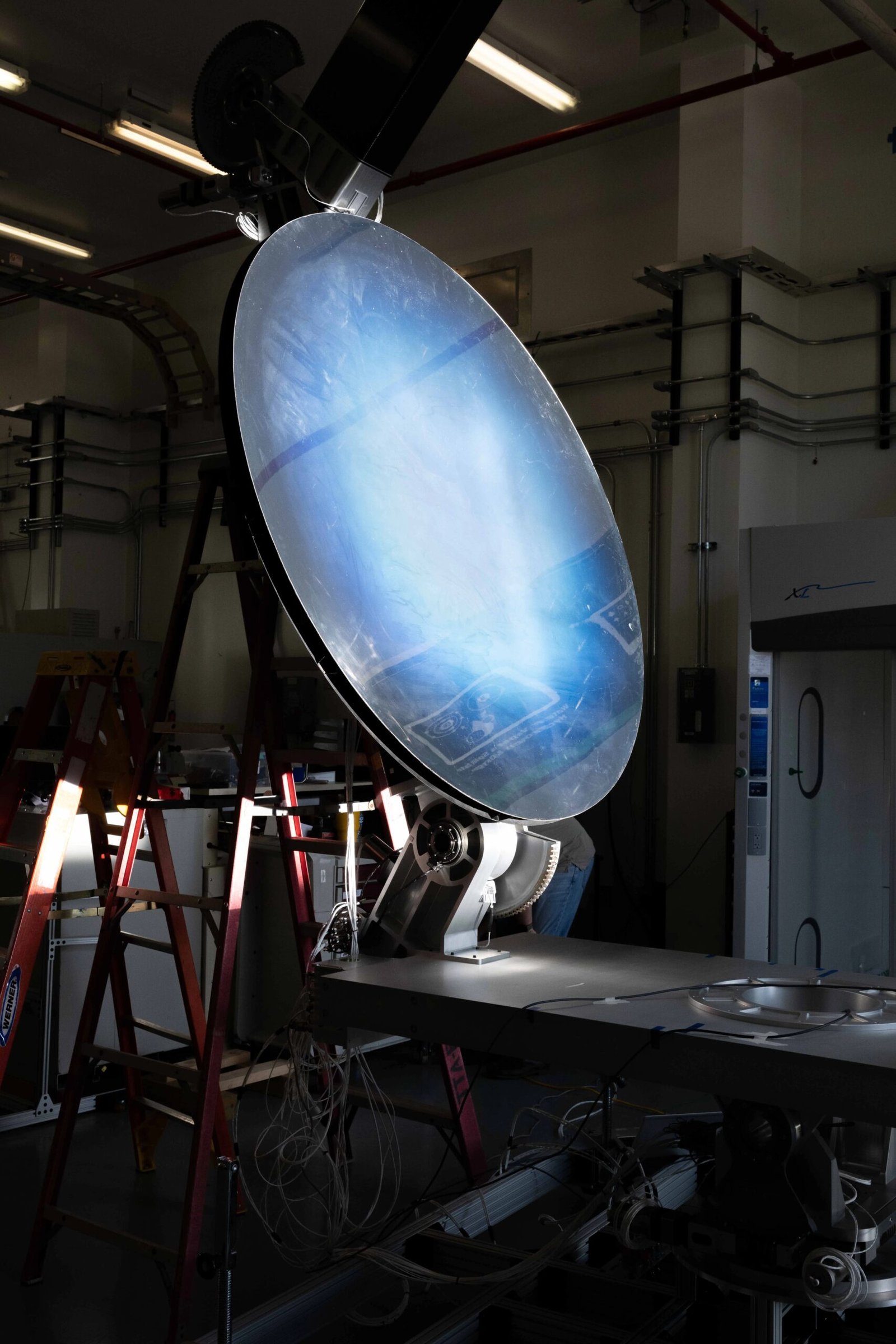
    Scientists continue to explore innovative solutions for human survival on the Moon. Recent tests showcase a solar concentrator designed to extract oxygen from lunar regolith, particularly at the Moon’s south pole. During a recent experiment, sunlight illuminated the concentrator, leading to the successful production of carbon monoxide.

    This achievement is part of the Carbothermal Reduction Demonstration (CaRD) project. By utilizing mirrors and advanced software, researchers confirmed that solar energy can drive chemical reactions necessary for oxygen production. Consequently, this technology could pave the way for creating propellant using only materials found on the Moon and sunlight.

    Moreover, there are significant implications for future Mars missions. The systems used in this lunar project could adapt to convert carbon dioxide into oxygen and methane on the Red Planet. Thus, scientists envision a future where interplanetary travel becomes more feasible.

    Furthermore, the CaRD project received funding from NASA’s Game Changing Development Program. This initiative aims to address crucial national needs while pushing the boundaries of space exploration technology. With these advancements, sustaining a long-term human presence on the Moon may become more achievable and cost-effective.

    Overall, this project highlights humanity’s ability to innovate and adapt in the face of challenges. As we harness the Sun’s energy, we move closer to making life beyond Earth a reality.

    Expand Your Tech Knowledge

    Explore the future of technology with our detailed insights on Artificial Intelligence.

    Explore past and present digital transformations on the Internet Archive.

    SciV1

    Cosmos Mars NASA Space Sustainability VT1
    Share. Facebook Twitter Pinterest LinkedIn Tumblr Email
    Previous ArticleHonor Unveils Game-Changing Silicon-Carbon Battery: Thin as a Playing Card!
    Next Article Negative Rates Signal Bitcoin Bounce Ahead
    Avatar photo
    Staff Reporter
    • Website

    John Marcelli is a staff writer for IO Tribune, with a passion for exploring and writing about the ever-evolving world of technology. From emerging trends to in-depth reviews of the latest gadgets, John stays at the forefront of innovation, delivering engaging content that informs and inspires readers. When he's not writing, he enjoys experimenting with new tech tools and diving into the digital landscape.

    Related Posts

    Tech

    China’s Robotaxis: What It’s Really Like to Ride

    November 7, 2026
    Science

    Aging Proteome: Clocks, Cohorts & Trials

    November 7, 2026
    AI

    GIFT-Eval Showdown: Timestral, t0, Tabby & Morpheus-2.0

    November 7, 2026
    Add A Comment

    Comments are closed.

    Must Read

    China’s Robotaxis: What It’s Really Like to Ride

    November 7, 2026

    Aging Proteome: Clocks, Cohorts & Trials

    November 7, 2026

    Welcoming and Accessible to Everyone

    November 7, 2026

    GIFT-Eval Showdown: Timestral, t0, Tabby & Morpheus-2.0

    November 7, 2026

    After Deadly Outbreak, Monkeys Become Cautious Around Food

    November 7, 2026
    Categories
    • AI
    • Crypto
    • Fashion Tech
    • Gadgets
    • IOT
    • OPED
    • Quantum
    • Science
    • Smart Cities
    • Space
    • Tech
    Most Popular

    Over 3,200 Boeing Workers Set to Strike After Contract Rejection

    August 3, 2025

    Nature’s Fertilizer: How Seabird Poop Built an Empire

    February 15, 2026

    Huawei’s breakthrough scaling tech narrows gap with TSMC and Samsung

    May 26, 2026
    Our Picks

    Unlock the Fun: Indie Games to Dive Into Now!

    June 6, 2026

    Revolutionary Off-the-Shelf iPSC T Cells Target Colorectal Cancer

    July 24, 2026

    I Let AI Hack My Gadgets—Would Do Again

    September 9, 2026
    Categories
    • AI
    • Crypto
    • Fashion Tech
    • Gadgets
    • IOT
    • OPED
    • Quantum
    • Science
    • Smart Cities
    • Space
    • Tech
    • Privacy Policy
    • Disclaimer
    • Terms and Conditions
    • About Us
    • Contact us
    Copyright © 2025 Iotribune.comAll Rights Reserved.

    Type above and press Enter to search. Press Esc to cancel.