

Essential Insights
- Swimming headphones differ from regular ones primarily in waterproofing and sound transmission.
- Bluetooth signals don’t work underwater; swimming headphones often have built-in storage.
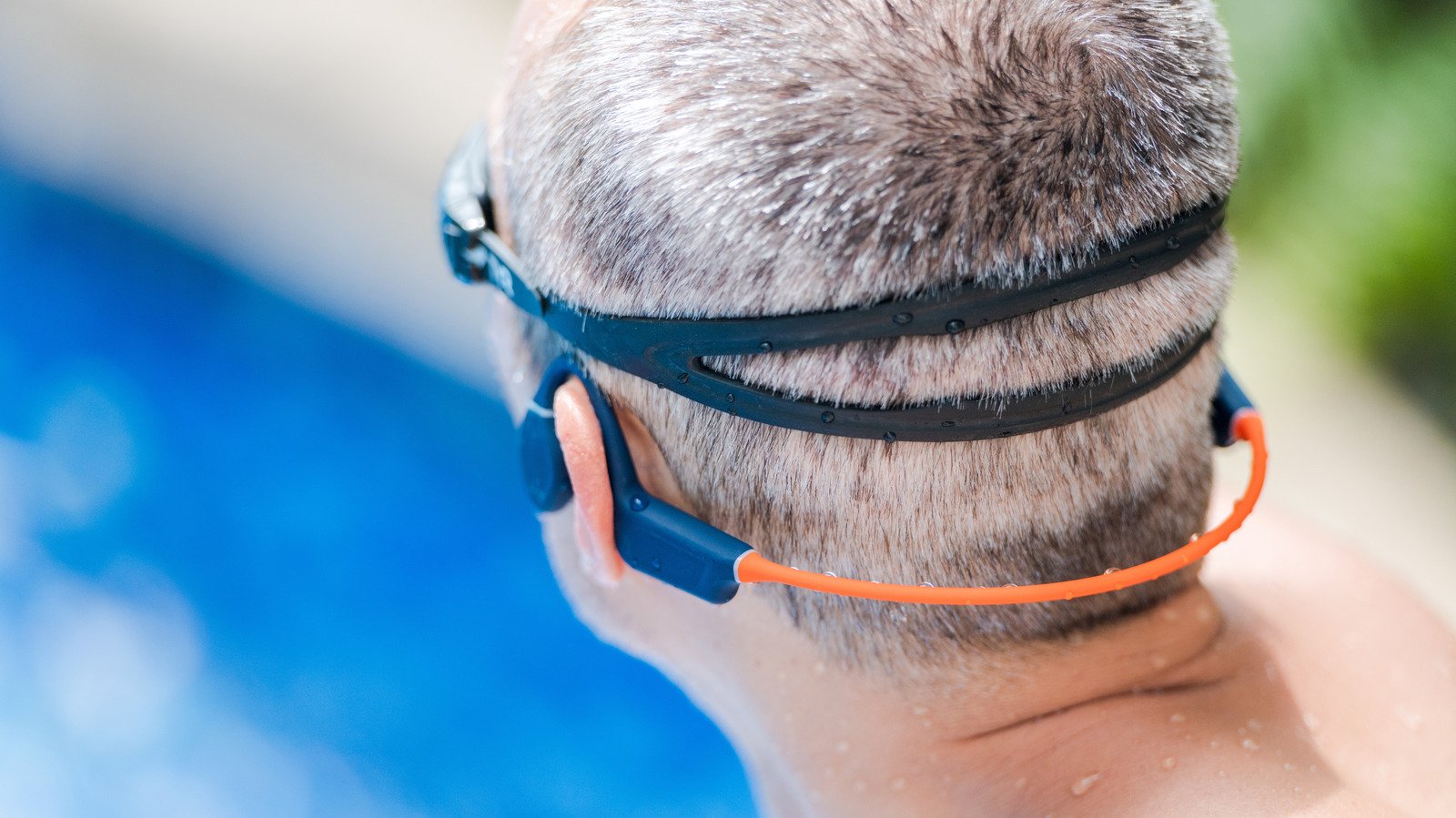
- They use bone conduction, transmitting sound through vibrations on cheekbones.
- Look for high IP ratings and features like adjustable EQs for optimal sound.
Understanding the Aquatic Audio Challenge
The shift from traditional headphones to swimming headphones introduces a fascinating interplay of technology and the environment of water. While regular headphones boast versatility and convenience, they falter beneath the waves. Bluetooth connectivity, a staple feature of most modern devices, fails to work underwater due to water’s density. Swimmers who attempt to use their AirPods or similar devices quickly find themselves cut off from their playlists.
Swimming headphones counteract this problem by integrating built-in storage. Users can load music directly onto the device, eliminating the need for an external source. This feature is crucial for uninterrupted listening while swimming. The design of swimming headphones often embraces bone conduction technology. Rather than relying on air vibrations, these devices transmit sound directly to the inner ear via the cheekbones. This bypasses common auditory barriers, proving effective for swimmers who need to hear their tunes without submerging their ears.
Choosing the Right Swimming Headphones
When shopping for swimming headphones, the Ingress Protection (IP) rating is vital. The second number in the rating indicates the device’s resistance to water. Ratings of IPX7 or IPX8 provide assurance against submersion and direct exposure to water. Lower ratings often struggle only against sweat and splashes, making them less reliable for regular swim use.
Sound quality remains a significant consideration. Bone conduction can amplify lower frequencies, creating a muddled listening experience. Many brands address this by offering adjustable EQ settings. Features like these enhance audio clarity by compensating for the occlusion effect created by water in the ears. Some headphones even allow users to adjust transducer angles to minimize buzzing at higher volumes. As technology advances, performance improvements across various brands offer potential swimmers an enriched auditory experience. The right pair of swimming headphones can transform a routine swim into a memorable adventure filled with compelling soundtracks.
Discover More Technology Insights
Learn how the Internet of Things (IoT) is transforming everyday life.
Discover archived knowledge and digital history on the Internet Archive.
TechV1
