

Quick Takeaways
-
Heritage Launch Preparations: NASA’s Environmental Test Laboratory at JPL, historically used for Voyager probes, is now preparing Firefly Aerospace’s Blue Ghost Mission 2 spacecraft for a lunar journey, ensuring it withstands launch stresses.
-
Rigorous Testing Procedures: The spacecraft underwent vibration and acoustic testing, simulating intense conditions it will face during launch and verifying its structural integrity through advanced monitoring and analysis.
-
Mission Objectives: Blue Ghost Mission 2 aims to deliver multiple international payloads to the Moon’s far side, including a radio telescope and a communications system, supporting future lunar missions under NASA’s Artemis program.
-
Collaboration for Success: The extensive testing not only solidifies Firefly’s readiness for launch but also strengthens partnerships with NASA, paving the way for a sustainable lunar presence and advancements in space exploration technologies.
NASA JPL Shakes Things Up Testing Future Commercial Lunar Spacecraft
NASA’s Jet Propulsion Laboratory (JPL) is once again making history. This time, it tests a towering commercial spacecraft destined for the Moon. The same facilities that prepared the Voyager probes now help ready Firefly Aerospace’s Blue Ghost Mission 2.
Launches are intense. Therefore, engineers simulate those conditions in the Environmental Test Laboratory. This helps ensure spacecraft can withstand brutal shaking and deafening noise.
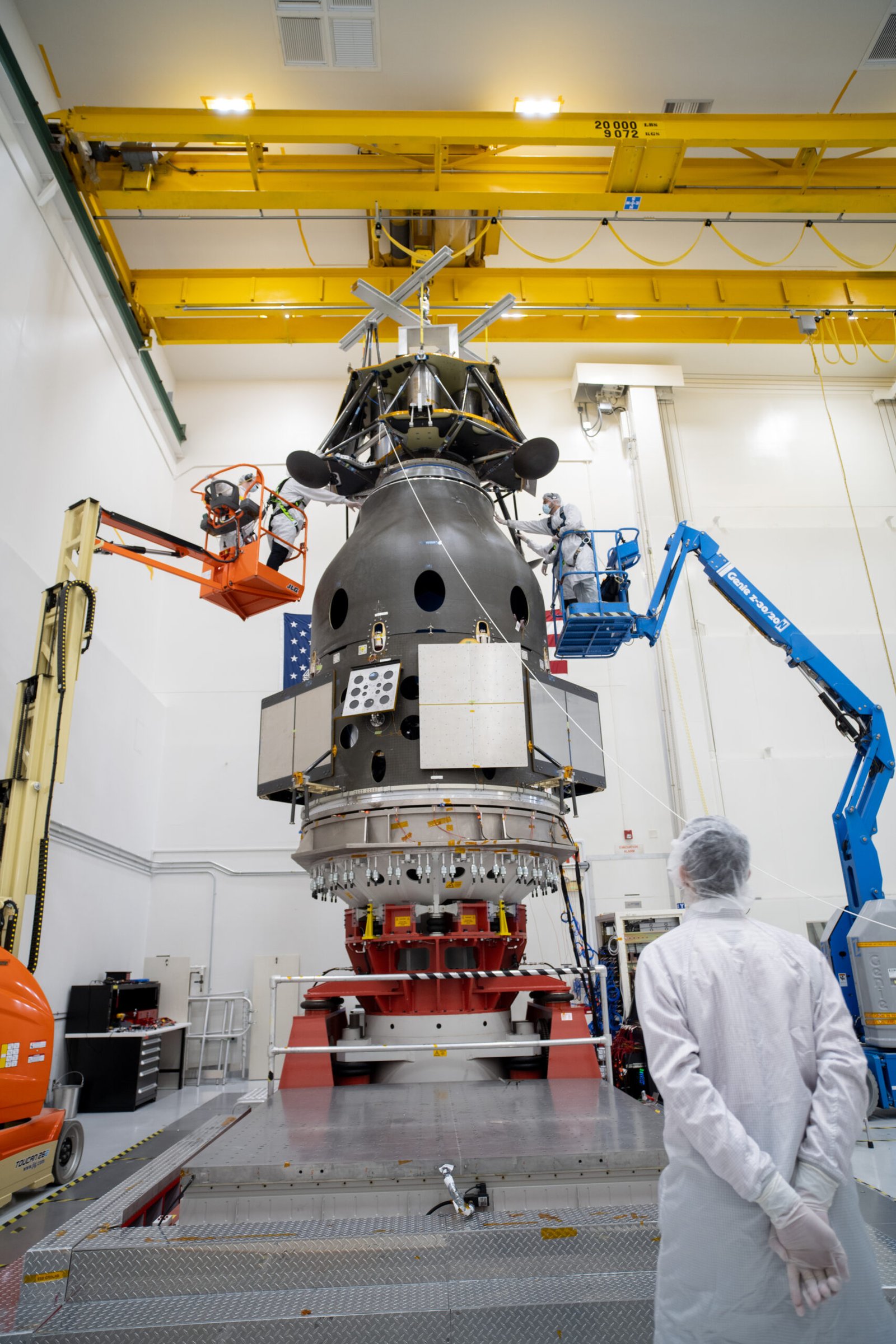
Recently, a full-scale model of the spacecraft underwent rigorous testing. Experts subjected it to vibration and acoustic trials, gathering critical data for its launch scheduled for next year.
The Environmental Test Laboratory has a rich legacy. Constructed in the 1960s, it has supported numerous missions, including Mars Exploration and Jupiter’s Europa Clipper. Now, it plays a vital role in NASA’s Commercial Lunar Payload Services initiative, enabling partnerships with private companies aiming for the Moon.
Michel William, a JPL engineer, emphasizes the knowledge gained over decades. He leads the testing and notes the intricacies that aren’t taught in schools but are essential for space missions.
Firefly’s team celebrates their previous success with the Blue Ghost Mission 1 lander. It successfully landed on the Moon in March. The upcoming mission will introduce a dual-spacecraft configuration and host multiple international payloads. This new setup stands three times taller than the first mission’s lander.
Testing involves a “shaker table” inside a pristine clean room. Technicians analyze the spacecraft as it experiences intense vibrations, imitating conditions it will face during launch. Following this, they blast sounds of up to 153 decibels at it, in a chamber designed to replicate the harsh realities of space.
Engineers strive for balance during testing. They must avoid both under-testing and over-testing, as each can jeopardize the spacecraft’s integrity.
While this model isn’t launching, critical tests like electromagnetic evaluations ensure that all systems within the spacecraft operate smoothly. It will also undergo extreme temperature tests to simulate the harsh environment of space.
The recent testing completed at the Environmental Test Laboratory assures the spacecraft will survive its launch aboard a SpaceX Falcon 9 rocket. Firefly’s team now shifts focus to completing their flight hardware in preparation for the journey.
Once in lunar orbit, the Blue Ghost will deliver vital payloads. Notably, it carries LuSEE-Night, a radio telescope that will support NASA’s communications capabilities. Additionally, another payload from the European Space Agency will further enhance lunar communications.
Firefly’s mission promises to advance technologies for future lunar exploration. It will pave the way for ongoing partnerships that could establish a human presence on the Moon.
By collaborating with NASA, Firefly joins a global effort to unlock even more insights for both robotic and crewed missions. The excitement grows as preparations continue for what lies ahead in lunar exploration.
Discover More Technology Insights
Learn how the Internet of Things (IoT) is transforming everyday life.
Discover archived knowledge and digital history on the Internet Archive.
SciV1
