
Close Menu
    Facebook X (Twitter) Instagram
    Thursday, August 27
    Top Stories:
    • Huawei and HP Reach Multi-Year Wi-Fi Patent Cross-License Agreement
    • RevMed Secures Early FDA Approval for Innovative Pancreatic Cancer Treatment
    • Moon Mission Delay: Chinese Rocket City Wenchang Continues Progress
    Facebook X (Twitter) Instagram Pinterest Vimeo
    IO Tribune
    • Home
    • AI
    • Tech
      • Gadgets
      • Fashion Tech
    • Crypto
    • Smart Cities
      • IOT
    • Science
      • Space
      • Quantum
    • OPED
    IO Tribune
    Home » Unraveling the Mystery of Ocean’s Glowing Wonders
    Space

    Unraveling the Mystery of Ocean’s Glowing Wonders

    Staff ReporterBy Staff ReporterJune 2, 2025No Comments2 Mins Read
    Share Facebook Twitter Pinterest LinkedIn Tumblr Reddit Telegram Email
    Share
    Facebook Twitter LinkedIn Pinterest Email

    Top Highlights

    1. Historical Phenomenon: Sailors have reported "milky seas," glowing ocean patches, for centuries, with the first documented account dating back to 1849.

    2. Research Initiative: Atmospheric scientist Justin Hudson created a comprehensive database using 400 years of maritime reports and satellite imagery to better understand the occurrence of milky seas.

    3. Bioluminescent Source: The glowing phenomenon is likely caused by bacteria Vibrio harveyi, which emits a constant glow, contrasting with the typical shock-induced luminescence from dinoflagellates.

    4. Sampling Challenges: Obtaining samples remains difficult due to the remote locations where milky seas typically occur, emphasizing the need for targeted research missions.

    Mysterious Ocean Glow Remains Elusive to Scientists

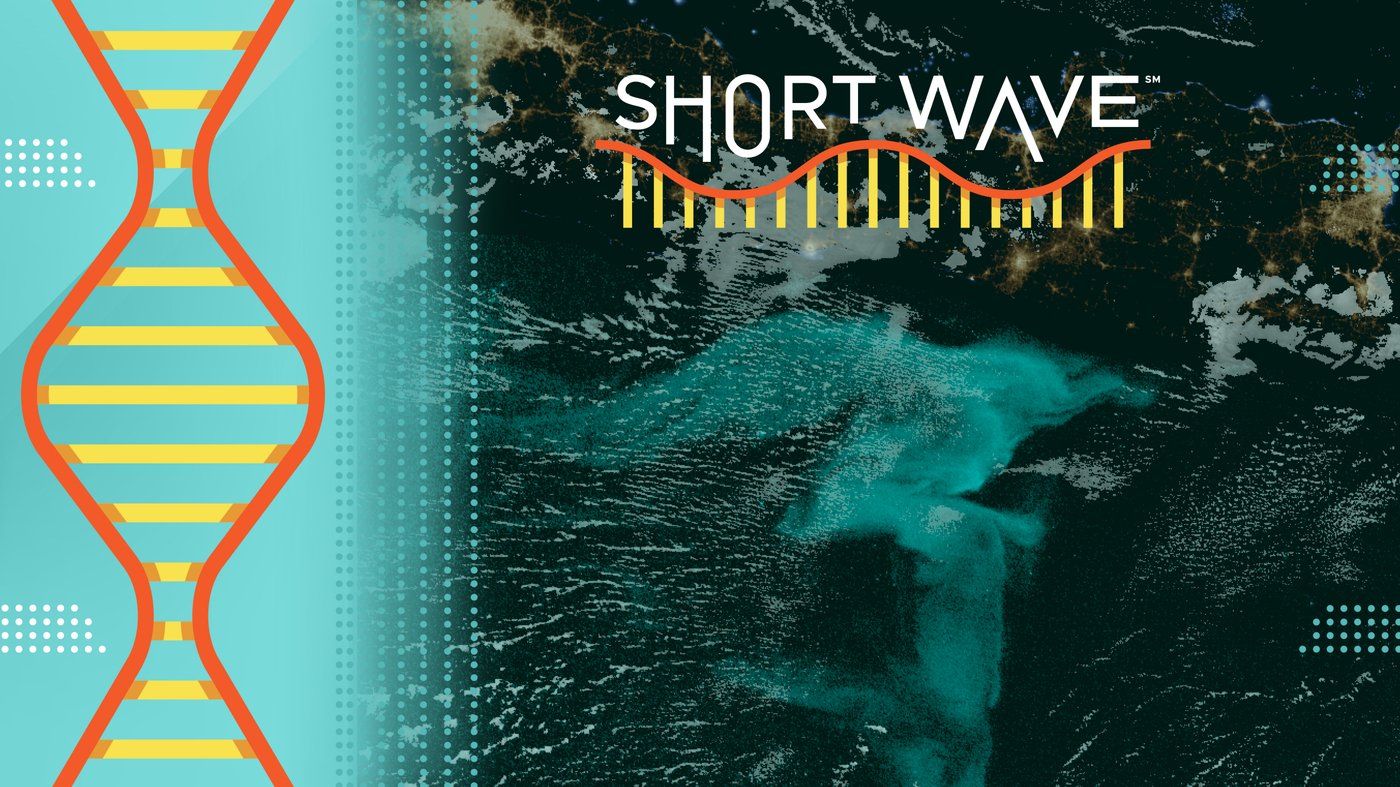
    Sailors have long shared tales of glowing patches of ocean, known as "milky seas." These dazzling areas, observed during moonless nights, can stretch for miles. In 1849, Captain Kempthorne vividly described this phenomenon, likening it to sailing over a radiant sea of snow.

    Despite their enchanting nature, scientists still struggle to understand what causes milky seas. Only one scientific sample exists, collected in 1985. To uncover the mystery, researchers have created a comprehensive database that compiles sailor accounts and satellite images. This database allows scientists to track where and when these events occur.

    One of the key challenges researchers face is the remote locations of milky seas. Nearly 70% of the Earth is ocean, making access difficult. Still, researchers remain hopeful. By analyzing the data, they aim to identify optimal times for research vessels to collect samples.

    The lone sample points to vibrio harveyi, a bioluminescent bacteria, as a potential cause. Unlike familiar glowing organisms that respond to movement, vibrio harveyi emits a continuous glow when its population reaches a peak. This glow may lure predators, providing a new habitat within their stomachs.

    As scientists study milky seas, they not only aim to understand this beautiful phenomenon but also explore its implications for technology and marine ecosystems. Unlocking the secrets of bioluminescence could lead to innovations in various fields, from environmental monitoring to pharmaceuticals. Understanding these glowing waters could ultimately improve our relationship with the oceans and their mysteries.

    Expand Your Tech Knowledge

    Stay informed on the revolutionary breakthroughs in Quantum Computing research.

    Explore past and present digital transformations on the Internet Archive.

    SciV1

    Cosmos NASA Space VT1
    Share. Facebook Twitter Pinterest LinkedIn Tumblr Email
    Previous ArticleMetaplanet Acquires 1,088 BTC, Boosts Treasury Strategy
    Next Article Discover Gmail’s Stunning Material 3 Makeover!
    Avatar photo
    Staff Reporter
    • Website

    John Marcelli is a staff writer for IO Tribune, with a passion for exploring and writing about the ever-evolving world of technology. From emerging trends to in-depth reviews of the latest gadgets, John stays at the forefront of innovation, delivering engaging content that informs and inspires readers. When he's not writing, he enjoys experimenting with new tech tools and diving into the digital landscape.

    Related Posts

    Tech

    Huawei and HP Reach Multi-Year Wi-Fi Patent Cross-License Agreement

    August 26, 2026
    Science

    RevMed Secures Early FDA Approval for Innovative Pancreatic Cancer Treatment

    August 26, 2026
    AI

    Inside the OpenAI agents’ Hugging Face hack

    August 26, 2026
    Add A Comment

    Comments are closed.

    Must Read

    Huawei and HP Reach Multi-Year Wi-Fi Patent Cross-License Agreement

    August 26, 2026

    RevMed Secures Early FDA Approval for Innovative Pancreatic Cancer Treatment

    August 26, 2026

    Inside the OpenAI agents’ Hugging Face hack

    August 26, 2026

    Unlocking the Future: Building Foresight in Earth Science

    August 26, 2026

    Android Phones May Soon Control Your PC Remotely

    August 26, 2026
    Categories
    • AI
    • Crypto
    • Fashion Tech
    • Gadgets
    • IOT
    • OPED
    • Quantum
    • Science
    • Smart Cities
    • Space
    • Tech
    Most Popular

    The Social Intelligence of Machines: Are AIs Becoming Our New Neighbors?

    July 11, 2025

    Grab the Latest: AirPods Pro 3 Now Available!

    September 20, 2025

    OnePlus Halts OxygenOS Updates: What You Need to Know

    May 17, 2026
    Our Picks

    RAG Isn’t Machine Learning, Toolkit’s Misguided Focus

    June 1, 2026

    Must-Have Buys: Engadget Team’s Top Picks!

    July 13, 2025

    SoftBank Backs Meesho in Historic $606M E-Commerce IPO

    November 28, 2025
    Categories
    • AI
    • Crypto
    • Fashion Tech
    • Gadgets
    • IOT
    • OPED
    • Quantum
    • Science
    • Smart Cities
    • Space
    • Tech
    • Privacy Policy
    • Disclaimer
    • Terms and Conditions
    • About Us
    • Contact us
    Copyright © 2025 Iotribune.comAll Rights Reserved.

    Type above and press Enter to search. Press Esc to cancel.