

Quick Takeaways
- NASA teams integrated active learning into astronomy textbooks for better engagement.
- Workshop adapted textbook chapters with NASA resources, enhancing student understanding.
- Results will be tested in colleges, aiming to reimagine entire astronomy curriculum.
- This approach expands NASA’s educational impact and innovative teaching methods.
Modernizing Astronomy Education with NASA Resources
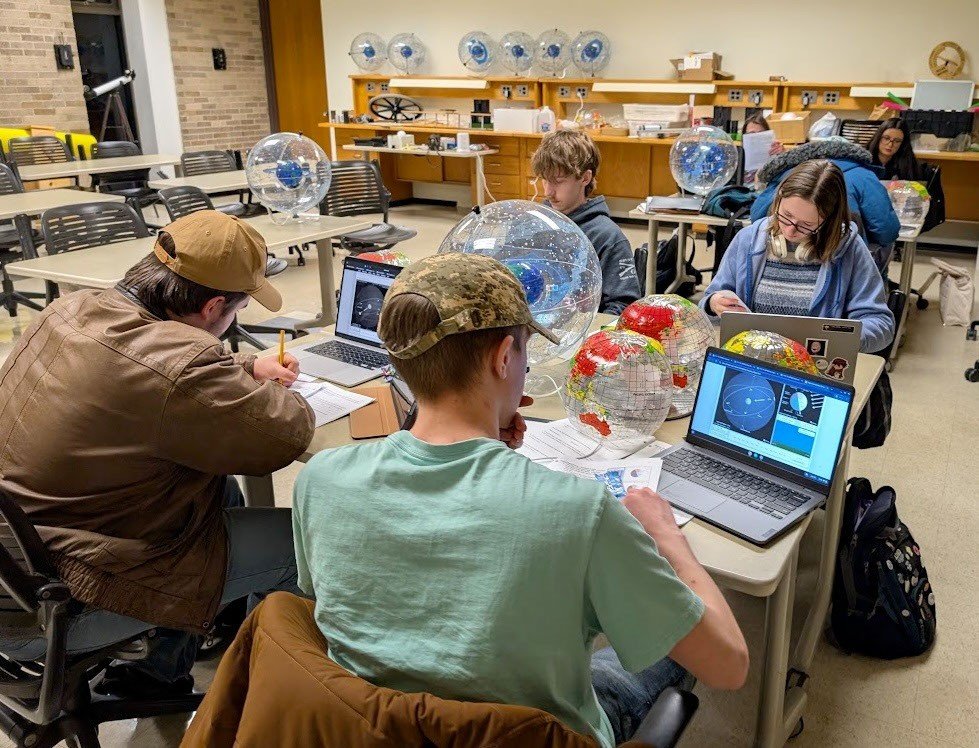
Community college instructors are reshaping how astronomy is taught in the 21st century. Traditionally, many courses rely solely on textbooks, like OpenStax’s Astronomy 101, which present concepts through words and diagrams. While useful, this approach can fall short of engaging students in active learning, especially in a digital age. Recognizing this, several NASA-funded project teams sought to expand the educational experience. Their goal was to integrate NASA’s wealth of images, videos, and interactive activities into existing textbooks, creating a more dynamic and immersive learning environment.
In June 2026, these teams gathered virtually to plan this transformation. The participants included educators from the NASA Community College Network, Infiniscope led by Arizona State University, and NASA Treks. They worked together to develop “Relevant Engaging Active Learning” (REAL) courseware. This new approach aimed to keep the core content of the textbook while adding rich, interactive resources from NASA’s archives. The focus was on making astronomy lessons more engaging, relatable, and easier for students to understand.
Over the next two weeks, each instructor took on a different chapter of the textbook. They enhanced these sections with active learning modules, using tools like NASA Treks, Universe of Learning, and Cosmic Data Stories. Their efforts focused on creating activities that promoted curiosity and critical thinking. The instructors shared their successes during a wrap-up presentation in July. The revised lessons are set to be tested in community college classrooms in fall 2026.
This project serves as a proof of concept for adapting traditional textbooks into interactive learning tools. It shows that existing educational materials can be transformed without losing their essential content. The next phase involves expanding this work to reimagine the entire course—covering all chapters and concepts of astronomy. The initiative also highlights new ways for NASA resources to reach students, making science more accessible and engaging for a broader audience.
Expanding Opportunities in Astronomy Education
Thanks to the contributions of the five dedicated instructors—Carver Bierson, Dan Chase, Dennis Just, Steve Tuckey, and Sally Watt—the project demonstrates the potential of technology to improve learning. Their expertise helped shape a model where textbooks are no longer static but interactive experiences. For educators and institutions, this offers a practical path to keep lessons current and engaging without major overhauls of curricula.
While technology offers many advantages, adopting new tools also requires careful planning. Not every resource may fit every classroom perfectly, and instructors need training and support. However, combining traditional content with NASA’s multimedia resources creates a balanced approach that enhances understanding while respecting practical constraints.
This effort is part of the larger NASA Science Activation Program. It connects learners with real NASA science through partnerships with educators and community organizations. By reimagining astronomy education, NASA aims to inspire a new generation of scientists and explorers equipped with both knowledge and curiosity.
Stay Ahead with the Latest Tech Trends
Stay informed on the revolutionary breakthroughs in Quantum Computing research.
Discover archived knowledge and digital history on the Internet Archive.
Space
