

Essential Insights
-
Community-Centric Development: The success of the 11th Street Bridge Park demonstrates that transformative projects emerge not from top-down directives but through genuine engagement and ownership from the community, exemplified by over 1,000 meetings and inclusive design.
-
Meet Needs Through Design: The park’s design addresses local issues—such as food insecurity and health disparities—by integrating features like urban agriculture and recreational spaces, effectively reflecting the community’s priorities.
-
Continuous Communication: Sustaining project momentum relies on establishing constant, two-way communication with residents, which includes walking tours, neighborhood gatherings, and consistent visibility in the community.
-
Advocacy Beyond Design: Successful community engagement involves translating feedback into broader advocacy efforts, such as tenant rights and affordable housing initiatives, ensuring residents feel their input shapes not only project outcomes but also wider policy changes.
Transforming Spaces through Community Engagement
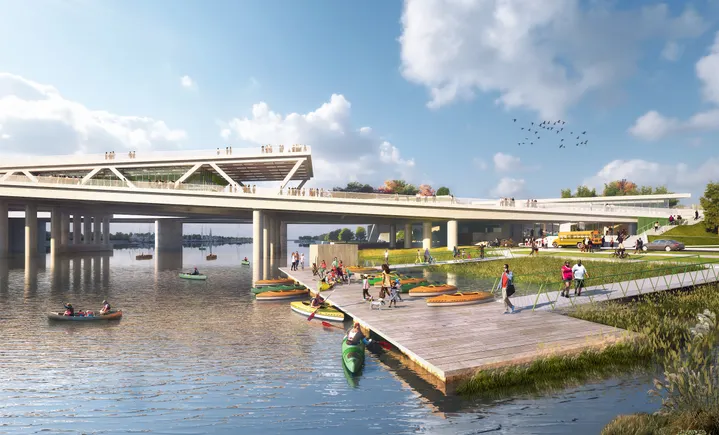
The 11th Street Bridge Park in Washington, D.C., serves as a model for urban reuse projects nationwide. This initiative began with a simple idea: transform an unused bridge into a vibrant public space. Over the years, the project evolved through more than 1,000 community meetings. Residents played a crucial role in shaping the park’s design, ensuring it reflects their needs and aspirations. By focusing on constant communication, the project gained community buy-in and trust, essential for its success.
Furthermore, the park addresses local health disparities. It features urban gardens and recreational spaces to combat food insecurity and promote wellness. This model highlights the importance of inclusivity and responsiveness in urban planning.
Lessons for Future Urban Projects
The journey of the Bridge Park offers valuable lessons applicable to any city. First, meeting people where they are ensures diverse voices contribute to community projects. This approach fosters understanding and helps bridge divides. Additionally, consistent communication keeps residents engaged and informed. Whether through public meetings or informal gatherings, presence matters.
Lastly, advocacy for community needs is vital. The Bridge Park team actively addresses tenant rights and workforce training, proving that resident input shapes not only the park’s design but broader policies as well. These principles show that community-driven initiatives can lead to lasting change, enhancing the quality of life for everyone involved.
Expand Your Tech Knowledge
Dive deeper into the world of Space and its vast mysteries.
Access comprehensive resources on space and science by visiting NASA.
IoTV1
