

Summary Points
Here are the key points from the article:
-
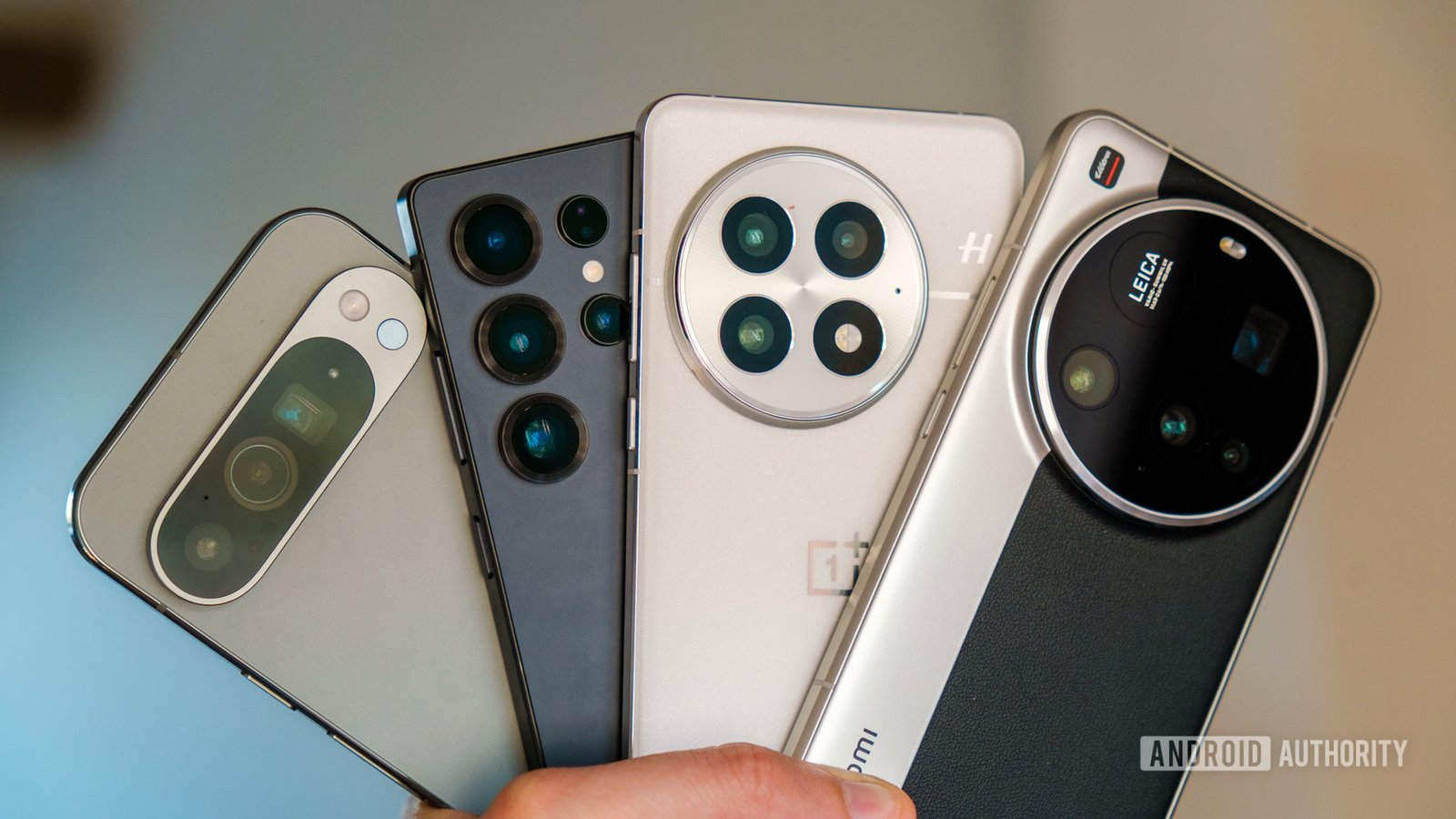
Camera Comparison: A shootout among top smartphones—Samsung Galaxy S25 Ultra, Google Pixel 9 Pro XL, OnePlus 13, and Xiaomi 15 Ultra—highlights variations in color science and image quality, demonstrating no clear winner.
-
Color Science Differences: The Pixel 9 Pro XL and OnePlus 13 are conservative in color, while Samsung shows increased vibrancy, and Xiaomi leans toward heavy saturation, affecting overall image perception.
-
Performance in Varying Conditions: Each phone performs differently in challenging lighting; the Pixel aims for consistent exposure, while OnePlus’s results vary widely, demonstrating the complexity of HDR capabilities.
-
Personal Preference Matters: No definitive conclusions can be drawn; personal taste influences preference for realistic versus enhanced colors, with modern technology balancing saturation for more refined outputs.
The Same Photos, Four Ways: How Android Brands See the World Differently
As autumn colors emerge, smartphone photography takes center stage. Four flagship models, including the Samsung Galaxy S25 Ultra, Google Pixel 9 Pro XL, OnePlus 13, and Xiaomi 15 Ultra, showcase distinct approaches to capturing images. Today’s camera shootout illuminates how each brand interprets scenes, revealing both subtle and striking differences.
First, let’s examine the main cameras. Exposure and detail remain consistent across devices, yet each brand emphasizes color differently. The Pixel 9 Pro XL and OnePlus 13 produce more muted tones in landscape shots. Samsung opts for vibrancy, while Xiaomi leans towards bold saturation. Specifically, Xiaomi’s approach brings out striking yellows in sunflower photos, offering a dynamic view.
In brighter scenes, the trends continue. The Pixel 9 Pro XL appears bland, with lower saturation. Samsung dazzles with color but falters in exposure. In contrast, the OnePlus 13 offers brightness without overwhelming hues. Xiaomi’s saturation, however, sometimes overpowers the image, leading to a blown-out effect.
Testing tricky lighting further highlights these differences. The Pixel aims for consistent exposure amidst contrast, while the OnePlus presents inconsistent results. Samsung and Xiaomi maintain similar exposure levels, demonstrating the challenge of harmonizing HDR capabilities across devices. Despite their advanced technology, each brand yields variations.
When zoomed in, distinct color profiles become apparent. Matching colors across multiple lenses proves difficult, yet some similarities shine through. The OnePlus 13 captures warmth and vibrancy, closely aligning with personal memories of sunny days. In contrast, Google’s method often washes out color, while Xiaomi introduces high contrast for added depth.
Samsung’s style fluctuates between saturation and neutrality, illustrating how modern flagships straddle both worlds. While excess saturation remains a factor, newer models show a more balanced approach, blurring the lines between realism and enhancement.
No two cameras tell the same story. Every brand’s unique color science caters to different preferences. Some may gravitate toward Xiaomi’s moody atmospheres, while others appreciate OnePlus’ vivid captures. Google’s conservatism appeals to those seeking consistency, and Samsung provides a versatile palette.
Today’s smartphone cameras mark a crossroads between realistic and enhanced colors. Enhanced options increasingly dominate, thanks in part to advanced scene detection and object segmentation. Brands leveraging partnerships with renowned names in photography often excel, shaping a vibrant future for smartphone photography.
Expand Your Tech Knowledge
Learn how the Internet of Things (IoT) is transforming everyday life.
Access comprehensive resources on technology by visiting Wikipedia.
GadgetsV1
