

Quick Takeaways
-
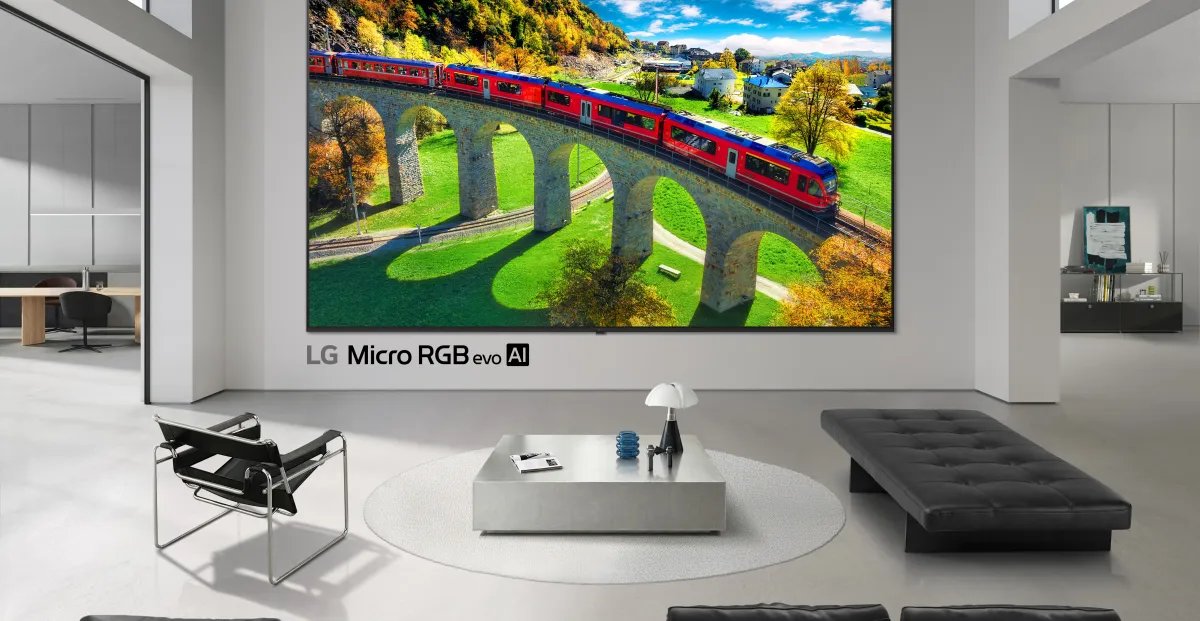
LG’s Micro RGB evo TV: LG officially announces its first flagship RGB TV, the Micro RGB evo, set for release in 2026, with sizes of 100, 86, and 75 inches.
-
Advanced Technology: The TV will feature an upgraded Alpha 11 processor, achieving 100% gamut coverage of BT.2020, DCI-P3, and Adobe RGB color spaces, and expects peak brightness above 5,000 nits.
-
Market Shift: The 2026 CES is poised to highlight the RGB TV trend, with competitors like Samsung, Hisense, TCL, and Sony also debuting their flagship models, pushing advancements in micro RGB technology.
-
Affordability Potential: As more brands enter the RGB market with varied sizes, there’s hope for reduced prices, moving away from the current trend of high-cost, massive displays.
Exciting Developments in RGB Technology
LG has officially announced its upcoming Micro RGB evo TV, set to release in 2026. This launch marks a significant milestone in television technology, following its recognition with a CES 2026 Innovation Award last November. The new XL sizes—100, 86, and 75 inches—reflect LG’s strategy to cater to large-screen enthusiasts. LG plans to share pricing details later, making many eager to know how much this technology will cost.
At the heart of this TV lies the enhanced Alpha 11 processor, usually found in LG’s premium OLED models. This upgrade promises faster processing and richer images. Notably, LG’s Micro RGB evo TV achieves 100 percent gamut coverage in several color standards, including BT.2020 and DCI-P3. Such coverage can elevate the viewing experience, enabling deeper colors and finer details, which many viewers will appreciate. Experts expect brightness levels to reach upwards of 5,000 nits, improving visibility in brightly lit rooms.
Potential Impact on the Market
The excitement around LG’s Micro RGB technology hints at a broader trend. Other manufacturers like Hisense, Samsung, and Sony are also introducing similar technologies, suggesting that 2026 could become a landmark year for RGB TVs. This competition can lead to more affordable options as new models emerge in various sizes. Currently, many high-end RGB TVs come with prohibitive price tags, limiting their accessibility.
By having more companies enter the market, we might see prices decline. Such shifts could make advanced display technology available to more consumers. While impressive in visuals, the practicality of owning an RGB TV depends on cost and size entries as companies broaden their offerings. The potential democratization of this technology could further enhance our viewing experiences in the coming years. As RGB TVs become a standard in households, they will undoubtedly contribute to our ongoing journey toward more immersive entertainment.
Discover More Technology Insights
Learn how the Internet of Things (IoT) is transforming everyday life.
Discover archived knowledge and digital history on the Internet Archive.
TechV1
