
Close Menu
    Facebook X (Twitter) Instagram
    Friday, October 30
    Top Stories:
    • Tencent Launches WorkBuddy AI Agent in Southeast Asia Amid Competition
    • Toxic Fire Salamanders Hide a Secret Glow
    • China’s Proposed AI Export Bans: Short-Term Costs, Long-Term Gains
    Facebook X (Twitter) Instagram Pinterest Vimeo
    IO Tribune
    • Home
    • AI
    • Tech
      • Gadgets
      • Fashion Tech
    • Crypto
    • Smart Cities
      • IOT
    • Science
      • Space
      • Quantum
    • OPED
    IO Tribune
    Home » Physicists Crack Muon Mysteries, Old Data Fails
    Quantum

    Physicists Crack Muon Mysteries, Old Data Fails

    Staff ReporterBy Staff ReporterJuly 30, 2026No Comments2 Mins Read
    Share Facebook Twitter Pinterest LinkedIn Tumblr Reddit Telegram Email
    Share
    Facebook Twitter LinkedIn Pinterest Email

    Fast Facts

    1. Lattice calculations now match experimental data, explaining the muon anomaly.
    2. Discrepancies in collider experiments’ pion measurements raise questions about unknown particles.
    3. New data from VEPP-2000 shows surprising changes in pion production rates.
    4. Physicists seek to resolve conflicting results and understand underlying particle behavior.

    Physicists Uncover a Muon Puzzle

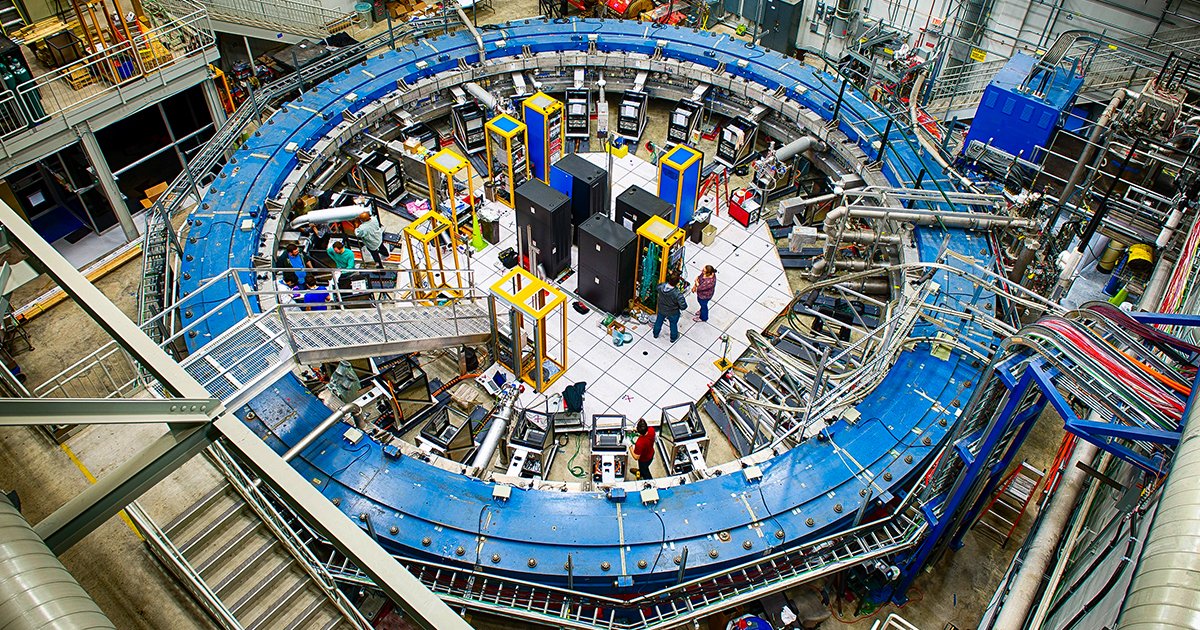
    Recent research has helped physicists solve a long-standing mystery involving muons, tiny particles similar to electrons. For years, experimental results showed muons wobbling more than what many models predicted. The findings led scientists to believe there might be unknown particles or forces at play. However, new calculations tell a different story.

    Using advanced computer techniques and more powerful technology, the BMW group recreated the complex calculations needed to understand muons better. After a decade of effort, their results, published in 2021, matched the experimental data perfectly. Now, many believe the muon wobble can be explained by known particles and forces, without the need for new physics.

    Inconsistent Results and New Questions

    While these updates seem promising, other experiments tell a different story. Physicists examined electron-positron collisions—smashing electrons into their antimatter counterparts—to gather more data. One facility, VEPP-2000 in Siberia, measured how often certain particles called pions emerge from these collisions. In 2023, they reported a new, surprising rate of pion production that differed from earlier results. This change raised questions about previous measurements, which seemed more consistent before.

    Many researchers now wonder whether unknown particles influence these interactions or if errors occurred in the experiments. The discrepancies remain unresolved, as different experiments produce conflicting data. Some believe new kinds of particles might be involved, while others think overlooked details in the experiments might be causing false signals. Until scientists can understand these inconsistencies, the muon mystery stays open, with new clues pushing the field in unexpected directions.

    Discover More Technology Insights

    Explore the future of technology with our detailed insights on Artificial Intelligence.

    Access comprehensive resources on technology by visiting Wikipedia.

    QuantumV1

    HPC Quantum VT1
    Share. Facebook Twitter Pinterest LinkedIn Tumblr Email
    Previous ArticleLet’s Discuss IoT Security Now
    Next Article Turning Waste into Treasure: Innovative Waste Treatment for Essential Minerals
    Avatar photo
    Staff Reporter
    • Website

    John Marcelli is a staff writer for IO Tribune, with a passion for exploring and writing about the ever-evolving world of technology. From emerging trends to in-depth reviews of the latest gadgets, John stays at the forefront of innovation, delivering engaging content that informs and inspires readers. When he's not writing, he enjoys experimenting with new tech tools and diving into the digital landscape.

    Related Posts

    AI

    Computer Scientist Breaks Limit Unchallenged Since 1996

    October 30, 2026
    Space

    SR-1 Freedom Powers Ahead

    October 30, 2026
    AI

    Labels vs. Embeddings: When AI Finds a Match

    October 30, 2026
    Add A Comment

    Comments are closed.

    Must Read

    Computer Scientist Breaks Limit Unchallenged Since 1996

    October 30, 2026

    SR-1 Freedom Powers Ahead

    October 30, 2026

    Labels vs. Embeddings: When AI Finds a Match

    October 30, 2026

    Dune: Part Three’s Double Sandworm Proves Popcorn Bucket Innovation Is Dead

    October 30, 2026

    Data Center Resilience: The New Playbook

    October 30, 2026
    Categories
    • AI
    • Crypto
    • Fashion Tech
    • Gadgets
    • IOT
    • OPED
    • Quantum
    • Science
    • Smart Cities
    • Space
    • Tech
    Most Popular

    $4K Retest: Q4 Game Changer?

    September 22, 2025

    Ford Mustang Cobra Jet Shatters EV Quarter Mile Record at 6.87 Seconds!

    April 27, 2026

    How Scientists Could Detect Dangerous Mirror Life Before It Exists

    October 24, 2026
    Our Picks

    Echoes of the Deep: Lessons from Ancient Sea Levels

    October 26, 2025

    BTC & BNB Soar, ZEC Surges, and US Shutdown Lingers: Weekly Crypto Highlights!

    October 10, 2025

    Apple Unveils ‘Upgrade’ Device Leasing Program with Klarna

    July 28, 2026
    Categories
    • AI
    • Crypto
    • Fashion Tech
    • Gadgets
    • IOT
    • OPED
    • Quantum
    • Science
    • Smart Cities
    • Space
    • Tech
    • Privacy Policy
    • Disclaimer
    • Terms and Conditions
    • About Us
    • Contact us
    Copyright © 2025 Iotribune.comAll Rights Reserved.

    Type above and press Enter to search. Press Esc to cancel.